






More Dental Health Articles
The Risks of Using Undiluted Hydrogen Peroxide as Mouthwash
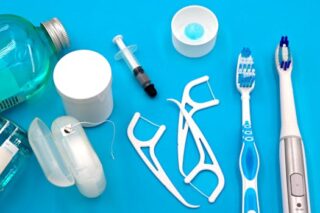
Using hydrogen peroxide as a mouthwash is not uncommon, but what happens if you don’t dilute hydrogen peroxide for mouthwash? Applying undiluted hydrogen peroxide directly to your mouth can lead to various risks and side effects. It’s critical to understand these potential outcomes to ensure your oral health remains uncompromised.
What Happens If You Don’t Dilute Hydrogen Peroxide for Mouthwash?
Hydrogen peroxide is available in different concentrations, most commonly a 3% solution for household use. This solution is normally diluted further when used as a mouthwash. If it is not diluted, it can lead to tissue irritation, as the undiluted solution is too strong for sensitive oral tissues.
One of the most immediate concerns is the potential for irritation and damage to the mucous membranes in your mouth. This can cause discomfort, inflammation, or even pain in some cases. Besides, undiluted hydrogen peroxide can cause harm if accidentally swallowed, leading to gastrointestinal disturbances.
Possible Side Effects of Using Undiluted Hydrogen Peroxide
When used undiluted, hydrogen peroxide can bleach the skin inside the mouth, resulting in whitening or discoloration. This aesthetic change might be transient but is often unwanted. Additionally, prolonged use of undiluted hydrogen peroxide may contribute to a condition known as oral tissue necrosis, which is the death of cells in the tissues of the mouth.
People using undiluted hydrogen peroxide might also experience a metallic taste in their mouth, which can be unpleasant. This solution can also contribute to increased sensitivity of teeth and gums, exacerbating any pre-existing oral health issues. For those with existing oral conditions or dental work, the risks might be more pronounced.
Potential Risks and Concerns
Aside from the side effects mentioned, using undiluted hydrogen peroxide repeatedly can interfere with the natural balance of the oral microbiome. This disruption might lead to increased susceptibility to infections or other oral health conditions. As it impairs healing, undiluted hydrogen peroxide can negate the protective and healing functions of saliva.
Consistent use might worsen oral ulcers or sores, leading to prolonged healing times and increased discomfort. Those interested in mindfulness may explore it as a technique for managing health and understanding self-care better, as discussed in mindfulness practices for managing addiction and health.
Precautions and Proper Use
To effectively use hydrogen peroxide as a mouthwash, it is best diluted with water. A common dilution method is to mix equal parts of water and a 3% hydrogen peroxide solution. This dilution helps mitigate the risks and allows users to enjoy the antibacterial benefits without damaging oral tissues.
It is always recommended to consult with a dental care provider or healthcare professional before incorporating strong agents like hydrogen peroxide into your oral care routine. This is particularly true for individuals with existing oral health conditions or those who are pregnant, as health considerations may vary.
Alternatives to Hydrogen Peroxide Mouthwash
If you are seeking alternatives to hydrogen peroxide mouthwash, numerous over-the-counter options offer safe and effective oral care. Antiseptic mouthwashes with ingredients such as chlorhexidine or essential oils can provide antibacterial benefits without the risks associated with incorrect dilution.
Additionally, natural alternatives like saltwater rinses can help maintain oral health. Such options are widely recognized for their gentleness and effectiveness in soothing oral tissues and reducing bacterial growth.
Before making any significant changes to your oral health regimen, consider reviewing reliable sources of health information, such as the information available from organizations like Wikipedia, which can provide context and more comprehensive health details.
Conclusion
In conclusion, the question of what happens if you don’t dilute hydrogen peroxide for mouthwash is crucial to consider for maintaining healthy oral hygiene. The potential risks and side effects associated with the misuse of hydrogen peroxide highlight the importance of proper dilution and usage. By understanding these factors, individuals can make informed decisions about their oral health practices.
- Hydrogen peroxide must be diluted before use as a mouthwash to prevent oral tissue irritation.
- Undiluted hydrogen peroxide can cause temporary or permanent tissue damage in the mouth.
- There are alternative oral care solutions available that offer antibacterial benefits safely.
- Consult a healthcare professional when making significant changes to your oral hygiene routine.
- Understanding the risks helps in making safer choices for oral health management.
FAQs about Hydrogen Peroxide Mouthwash
Can hydrogen peroxide be used daily as a mouthwash?
When diluted properly, hydrogen peroxide can be used occasionally as a mouthwash. However, it is not recommended for daily use due to potential side effects.
What dilution ratio should be used for hydrogen peroxide mouthwash?
A common and safe dilution is one part of a 3% hydrogen peroxide solution with one part water. It’s important to follow safe dilution practices to prevent oral irritation.
Are there long-term effects of using hydrogen peroxide undiluted?
Long-term use of undiluted hydrogen peroxide can damage tissue, disrupt the oral microbiome, and potentially lead to other oral health issues.
What should I do if I accidentally swallow undiluted hydrogen peroxide?
If you accidentally swallow undiluted hydrogen peroxide, seek medical attention promptly, especially if you experience burning, nausea, or vomiting.
Can hydrogen peroxide whiten teeth safely?
Hydrogen peroxide is an ingredient in some teeth whitening products, but these are formulated for safe use. Always consult your dentist for safe whitening options.
Other Articles You May Find of Interest...
- Why Comprehensive Dental Care Matters at Every Stage of Life
- Why Preventive Dental Care Matters at Every Stage of Life
- Colored Braces: A Practical Guide for Teens and Parents in the UAE
- Brushing Teeth for Kids: Secrets to Making Healthy Habits Actually Stick
- Why Preventive Dental Care Matters More Than Most People Realize
- How Missing Teeth Can Change the Way You Eat, Speak, and Live
- Why Jawbone Health Matters More Than You Might Think





