More Supplements Articles
Discover the Amazing Health Benefits of Amla Indian Gooseberry
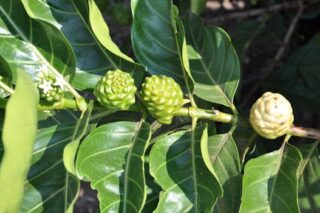
Amla, also known as Indian gooseberry, is a vibrant green fruit that has long been cherished in traditional Indian medicine for its potential health benefits. Popular in Ayurvedic treatments, amla is gaining worldwide attention for its rich vitamin C content and antioxidant properties. In this article, we will delve into the remarkable advantages of including this superfood in your diet.
What is Amla Indian Gooseberry?
Amla indian gooseberry is scientifically known as Phyllanthus emblica and is native to India and nearby countries. It’s a small to medium-sized tree bearing round, greenish-yellow fruits. Amla fruits are renowned for their sour and astringent taste, but it’s their nutritional content that makes them a powerhouse of health benefits.
Nutritional Profile of Amla
Amla is a rich source of vitamin C, containing several times more than oranges. It also provides an assortment of polyphenols, minerals like calcium and iron, and vitamins such as vitamin A and B-complex. These nutrients are essential for maintaining overall health and wellness.
Health Benefits of Amla Indian Gooseberry
The benefits of consuming gooseberry and amla are extensive, ranging from boosting immunity to potentially reducing the risk of chronic diseases. Here are some of the key health benefits associated with amla:
- Enhances Immunity: The high concentration of vitamin C in amla plays a vital role in strengthening the immune system, helping the body fend off infections and diseases.
- Improves Digestive Health: Amla has been traditionally used to enhance digestion. Its fiber content aids in preventing constipation and improving gut health.
- Supports Heart Health: Regular consumption of amla may help in reducing cholesterol levels and improving heart health due to its antioxidant properties.
- May Support Antidiabetic Effects: Some studies suggest that amla can help regulate blood sugar levels, making it beneficial for people with diabetes.
- Promotes Healthy Skin and Hair: Amla is often used in skincare and hair care products because it may improve skin quality and promote hair growth.
How to Incorporate Amla in Your Diet
Amla can be consumed in various forms such as fresh fruit, juice, powder, or even pickled. Here are a few ideas on how to include it in your daily routine:
- Fresh Fruit: Enjoy the fruit raw with a sprinkle of salt or in salads for a tangy twist.
- Juice: Drinking amla juice on an empty stomach can be highly beneficial. Mix it with other fruit juices or honey to enhance its taste.
- Powder: Amla powder can be added to smoothies or sprinkled over cereals for an extra nutritional boost.
- Pickles: Amla pickles are a popular way to consume this fruit, adding flavor and health benefits to your meals.
Scientific Research on Amla
Research continues to explore the benefits and therapeutic potential of amla. Studies highlight its antioxidant properties, which may protect cells from damage and reduce inflammation. Moreover, its role in supporting cognitive function is gaining interest among researchers.
Visit our article on supplements that support cognitive function for insights on other natural options that may enhance memory and brain health.
Precautions and Considerations
While amla is generally considered safe for consumption, it’s essential to consume it in moderation. Some individuals may experience an upset stomach if consumed in large quantities. It’s advisable to consult a healthcare provider if you have specific health conditions or are taking medications, as interactions can occur.
For more in-depth information on amla and its health impacts, please refer to this detailed resource on Wikipedia.
Integrating amla indian gooseberry into a balanced diet may contribute to improved wellness and vitality thanks to its nutrients and potential health benefits.
- Amla is highly nutritious with a rich vitamin C content.
- It may enhance immunity, digestion, and heart health.
- There are various ways to incorporate it into your diet.
- Research supports its antioxidant and anti-inflammatory effects.
- Consult a healthcare professional for dietary adjustments.
FAQs
What is the best way to consume amla?
Amla can be eaten fresh, juiced, powdered, or pickled. Each form retains the fruit’s nutritional benefits, so choose based on personal preference.
Can amla help with weight loss?
While amla may support metabolic activity, it’s not a standalone weight loss solution. A balanced diet and regular exercise are crucial for weight management.
Is amla safe for everyone?
Amla is generally safe; however, individuals with certain health conditions or on medication should consult a healthcare provider before large-scale consumption.
How much amla should I consume daily?
There is no official recommended daily allowance, but moderate consumption, such as one to two fruits or equivalent, is commonly advisable.
Does amla have any side effects?
Some people might experience gastrointestinal discomfort with excessive intake. Always introduce new supplements slowly and observe how your body responds.
Other Articles You May Find of Interest...
- Caffeine Tablets for Staying Awake: Benefits and Risks
- Common Signs of Low Iron Levels and How to Address Them
- The Quest for Longevity: Supplement Trends Shaping Health Span in 2026
- How to Get a Vitamin B12 Shot Safely
- The Power of L-Methylfolate: Could Your Multivitamin or Methylfolate Supplement Be Using the Wrong Form of Folate?
- Vitamin B12 Supplements in the UK: Forms, Doses and What to Consider
- How to Buy Supplements Online Safely: What to Check Before You Order