






More Beauty Skin Care & Gorgeous Smiles Articles
Can Dairy Cause Spots and Affect Your Skin Health?
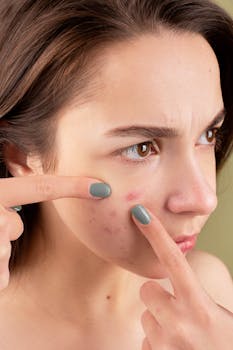
Many individuals are curious about their skin health and wonder, can dairy cause spots? This question arises often, especially for those experiencing acne or trying to maintain a clear complexion. Dairy products like milk, cheese, and yogurt are common in diets worldwide, but their impact on skin health is debated. Understanding their potential effects can help you make informed dietary choices.
Can Dairy Cause Spots?
The discussion on whether dairy can cause spots is ongoing. Some studies suggest that dairy consumption, particularly milk, might influence the appearance of acne in certain individuals. Milk contains hormones and growth factors that could potentially stimulate oil glands and aggravate acne in some people.
It is essential to consider that skin responses to dairy can vary significantly from person to person. While some may find a reduction in acne after limiting dairy, others may notice no change at all. Research continues to explore the link between dairy products and skin health.
Does Dairy Cause Acne?
There is a growing body of evidence that suggests dairy products, particularly skim milk, might contribute to acne development. The hormones present in milk could potentially stimulate sebum production, leading to clogged pores and acne. However, this is not a universal outcome, and individual variation plays a significant role.
Those concerned about acne may experiment with reducing dairy intake to see if their skin condition improves. Consulting a dermatologist can provide personalized advice, especially if acne persists despite dietary changes.
The Role of Other Factors
It’s crucial to remember that acne is a multifactorial condition. Genetics, hormones, stress, and diet all contribute to its occurrence. While dairy might affect some people, other foods and lifestyle factors can also impact skin health.
For those looking to improve skin health, a comprehensive approach that includes a balanced diet, stress management, and a proper skincare routine is advisable. Considering the importance of a high-protein diet has also been discussed in relation to health benefits, including potential effects on skin.
Does Milk Cause Acne?
Among dairy products, milk often receives the most attention regarding acne concerns. Skim milk, in particular, has been associated with acne in some studies. This may be due to its higher content of certain proteins and hormones.
The decision to eliminate or reduce milk consumption should be based on personal observations and preferably guidance from a healthcare provider. It is essential to maintain a well-rounded diet to ensure overall health is not compromised.
Alternative Solutions
For those choosing to limit or eliminate dairy from their diet, numerous alternatives are available. Plant-based milk options such as almond, soy, or oat milk can provide similar nutrients without potential acne-triggering elements.
Focusing on foods rich in omega-3 fatty acids, antioxidants, and other skin-beneficial nutrients could also support skin health. These include fatty fish, nuts, fruits, and vegetables, which promote a glowing complexion.
The Bigger Picture on Skin Health
While the question can dairy cause spots is valid, it is part of a larger conversation about overall skin health. Each person’s skin is unique, and understanding the myriad factors at play is essential for optimal skin care.
In conclusion, examining dietary impacts alongside other lifestyle elements provides a holistic approach to managing skin conditions. For more insights into skin health, visit resources like the Health page on Wikipedia.
- Dairy may affect acne in some individuals, but results vary.
- Skim milk is more often associated with acne than whole milk.
- A balanced diet and skincare routine support overall skin health.
- Consider dairy alternatives if skin issues persist.
- Consult healthcare providers for personalized advice.
FAQs
Is all dairy bad for acne?
Not necessarily. Some people may not experience any negative effects on their skin from consuming dairy, while others might. It’s important to identify what works for you personally.
What type of milk is most likely to cause acne?
Skim milk has been more commonly associated with acne than whole milk due to its higher protein content that may influence acne development.
Are there specific dairy products that trigger acne more than others?
Milk and certain dairy products like whey protein have been linked to acne, but individual reactions can vary. Observing your skin’s response to specific foods is key.
Should I stop eating all dairy if I have acne?
Not necessarily. Before making significant dietary changes, it is wise to consult with a healthcare provider or dermatologist to determine what is best for your needs.
Can lactose-free dairy still cause acne?
Lactose-free dairy can still contain the proteins and hormones present in regular dairy, which may affect acne in the same way.
Other Articles You May Find of Interest...
- Facelift and Everyday Life: 5 Things People Notice After Recovery
- Exploring Aesthetic Enhancements? 4 Things to Expect From a Plastic Surgeon
- Is SPF 30 Enough for Your Skin Protection?
- Can Baking Soda Effectively Whiten Your Teeth?
- Refined vs Unrefined Coconut Oil: Which One Is Right for You?
- How to Prepare Your Skin for Laser Hair Removal Treatments
- Do You Really Need Dermal Fillers? 6 Questions to Ask Yourself First



