






More Woundcare Articles
Essential Tips for Effective Knee Wound Care and Recovery
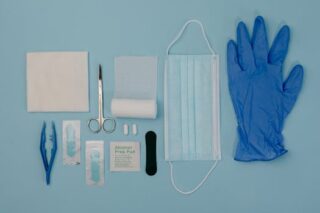
Caring for a knee wound requires attention to detail and commitment to proper medical practices. Whether it’s a minor scrape or a more serious injury, understanding the correct methods for wound care is crucial for effective healing and prevention of infections. In this article, we will provide essential tips and strategies on how to care for a knee wound effectively.
Understanding the Basics of Knee Wound Care
Knee wounds can occur from various causes, including falls, sports injuries, or accidents. Proper initial care is key to minimizing complications. Cleaning the wound thoroughly with mild soap and water is the first step in preventing infection. For deeper wounds, gauging the severity is important, and professional medical help may be necessary.
Steps to Clean and Protect Your Knee Wound
After cleaning, applying an antibiotic ointment can help prevent bacterial infections. Choose a non-adherent dressing to cover the wound, securing it with hypoallergenic tape or a bandage. It’s advisable to change the dressing regularly, especially if it gets wet or dirty, to keep the wound environment optimal for healing.
The Importance of Monitoring the Healing Process
Regularly check the wound for signs of infection, such as redness, swelling, or pus. If you notice any of these signs, contact a healthcare provider promptly. Keeping track of the healing progress will alert you to any complications that require medical intervention.
Advanced Care for a Knee Wound
For more severe wounds, advanced therapies might be necessary. These can include professional-grade wound care products or techniques administered by healthcare practitioners. Ensuring the wound maintains moisture balance is critical, as excessive dryness or moisture can hinder healing.
Maintaining Joint Mobility and Strength
While attending to the wound itself, don’t neglect the surrounding knee area. It’s essential to maintain joint mobility and strength through appropriate exercises, which can be guided by a physical therapist. This will aid overall recovery and prevent stiffness or loss of function.
For those interested in incorporating exercise into their recovery routine, visit our article on fitness tips for teens for additional guidance that can apply to any age group.
Diet and Nutrition’s Role in Healing
A balanced diet rich in vitamins and minerals can support wound healing. Nutrients such as Vitamin C and zinc are particularly important for tissue repair and immune function. Staying hydrated and maintaining a nutrient-rich diet will help the body’s natural healing processes.
When to Seek Professional Help
Knowing when to seek medical advice is crucial. If the wound is not healing, appears infected, or if you experience fever or severe pain, consult with a healthcare professional. They can provide more targeted treatments and ensure that there are no underlying complications.
Additional Resources
For comprehensive information on knee wound care, you can visit the Health page on Wikipedia for further reading on general health practices.
In conclusion, taking effective care for a knee wound involves a combination of proper cleaning, protection, monitoring, and supporting the overall healing process through nutrition and exercise. Understanding the basics and knowing when to seek help are essential for optimal recovery.
- Clean and protect the wound to prevent infection.
- Keep the wound moist and inspect regularly for signs of infection.
- Maintain mobility and consider dietary support for healing.
- Seek professional help if there are any complications.
FAQ
How often should I change the dressing on a knee wound?
Dressings should be changed at least once daily or whenever it becomes wet or soiled.
What are the signs of an infected knee wound?
Signs include redness, swelling, warmth around the wound, and pus or unusual discharge.
Can all knee wounds be treated at home?
Minor wounds can often be treated at home, but deeper or more severe wounds should be evaluated by a healthcare professional.
Are there any specific exercises I can do to aid recovery?
Gentle range-of-motion exercises and low-impact activities are beneficial but consult with a therapist for a tailored plan.
What role does diet play in wound healing?
A balanced diet high in nutrients like Vitamin C and zinc supports tissue repair and strengthens the immune system.
Other Articles You May Find of Interest...
- BIASURGE® Advanced Surgical Solution: Uses and Key Considerations
- Antibiotic Ointment on New Piercings: Help or Harm?
- Other Names for Pus, and What Its Color Tells You
- Blue-Green Wound Drainage: A Sign to Act On
- When Does a Skin Bump Become Something You Should Get Checked?
- A Bleeding Ear Piercing: Normal or Infected?
- When Plain Water Isn’t Safe for Irrigating a Wound





