More Allergy, Asthma & Infectious Disease Articles
Pulmonary Function Tests Explained and Pre-Test Preparation Tips
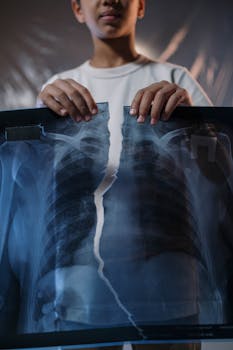
Understanding what is a pulmonary function test (PFT) begins with recognizing its purpose in assessing lung health. These tests measure how well the lungs take in and release air and how efficiently they transfer oxygen into the blood. For individuals with respiratory concerns such as asthma, chronic obstructive pulmonary disease (COPD), or other lung conditions, PFTs provide crucial insights into lung function and help guide treatment decisions.
What Is a Pulmonary Function Test?
Pulmonary function tests are a group of non-invasive tests that evaluate different aspects of lung capacity and function. They are essential tools for diagnosing lung disorders, monitoring disease progression, and evaluating the effectiveness of ongoing treatments. The tests can vary in complexity, from simple spirometry, which measures the volume and speed of air breathed in and out, to more comprehensive tests such as body plethysmography and diffusion capacity measurements.
How Pulmonary Function Tests Are Performed
Spirometry is the most common type of pulmonary function test. It involves breathing into a mouthpiece connected to a spirometer, which records the amount and speed of air inhaled and exhaled over a specified period. This test can reveal patterns that suggest obstructive or restrictive lung disease.
Other tests may include body plethysmography, which measures total lung capacity by asking the patient to sit in an airtight box and perform breathing exercises. Diffusion capacity tests, on the other hand, assess how well gases move from the lungs’ air sacs into the blood.
Preparing for a Pulmonary Function Test
Preparing for a PFT is straightforward, but following certain guidelines is necessary to ensure accurate results. Many people wonder about what not to do before a pulmonary function test, and here are some key recommendations:
- Avoid eating a large meal before the test as it might interfere with deep breathing.
- Do not smoke or exercise vigorously within a few hours prior to the test.
- Check with your healthcare provider about medications, especially bronchodilators, which might need to be paused prior to testing.
Wear comfortable, loose-fitting clothing that won’t restrict breathing. It’s also essential to follow any specific instructions provided by your healthcare provider to ensure the test results are reliable.
Why Are Pulmonary Function Tests Important?
Pulmonary function tests are valuable for several reasons. They help differentiate between types of lung conditions, such as distinguishing between obstructive diseases like asthma and restrictive diseases such as pulmonary fibrosis. By doing so, they guide appropriate treatment choices. Monitoring lung function over time can also reveal if a treatment is effective or if adjustments are needed.
Additionally, PFTs are often performed pre-surgery to assess whether a patient is at increased risk for complications and to tailor perioperative care accordingly.
Interpreting Pulmonary Function Test Results
The results of pulmonary function tests are expressed as values and percentages compared to normal standards. Normal results vary based on age, sex, height, and ethnicity. Your healthcare provider will discuss these results with you, explaining their significance in the context of your overall health and any symptoms you may be experiencing.
Rapid changes in results over time can signal deteriorating lung health, necessitating further medical evaluation or a change in treatment strategy.
If you’re interested in improving your overall lung health, consider reading more about lifestyle changes, such as the importance of a high-protein diet for weight loss, which can support respiratory function through weight management.
Conclusion
In understanding what is a pulmonary function test, one appreciates its role in comprehensively assessing lung health and its critical contributions to diagnostic and treatment processes. With appropriate pre-test preparation and understanding of the results, these tests are an invaluable resource for ensuring optimal respiratory health.
- Pulmonary function tests assess lung volume, capacity, and flow rates.
- Simple spirometry and more detailed tests like body plethysmography are used.
- Avoid smoking, heavy meals, and exercising before the test for best results.
- PFTs help distinguish between different lung and respiratory conditions.
- Consult with healthcare providers for personalized advice based on results.
Frequently Asked Questions
What happens during a pulmonary function test?
During a pulmonary function test, you will perform various breathing techniques using equipment like spirometers or body plethysmography chambers. The tests are designed to gather detailed information about lung volume, airflow, and gas exchange.
Can I eat before a pulmonary function test?
It is generally advised not to eat a heavy meal before the test because it can impact your ability to breathe deeply and comfortably during the procedure. Light meals are typically acceptable.
How long do pulmonary function tests take?
The duration of pulmonary function tests can vary, but most routine tests like spirometry take approximately 30 minutes. More comprehensive testing may require additional time.
Are there side effects to pulmonary function tests?
Pulmonary function tests are non-invasive and generally considered safe. Some individuals may experience slight dizziness or shortness of breath temporarily due to the breathing efforts required in the tests.
Where can I learn more about pulmonary function testing?
For more detailed information on pulmonary function tests and respiratory health, visit reputable resources such as health.gov or Wikipedia’s page on pulmonary function testing.
Other Articles You May Find of Interest...
- How to Keep Pollen Out of Your Home: Choosing an Air Purifier for Pollen
- When Should Your Child See a Pediatric Allergist? A Three-Trigger Test
- Candida sp. rRNA Results: What Molecular Testing Detects
- Ant Bites or Poison Ivy? How the Rashes Differ
- Can Stress Cause Cold Sores on the Lips?
- Gram-Positive Rods in a Blood Culture: Contamination or Infection?
- Can Head Lice Get Into Your Ears?