






More Heart Disease, Stroke and Diabetes Articles
Decoding Your EKG Results: What Abnormal Readings Mean for Your Health
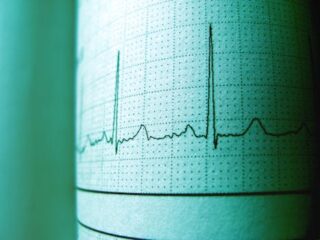
Understanding your EKG results is vital to comprehending your heart health. An EKG, or electrocardiogram, measures the electrical activity of your heart. This test can reveal a lot about how well your heart is functioning and whether there are any underlying concerns. If you’ve been told that your results show irregularities, you might be feeling anxious. In this article, we’ll help you understand what different results mean and what’s considered abnormal EKG results.
What Are EKG Results?
An EKG displays several types of data, including heart rate and rhythm, size, and position of heart chambers. It can detect problems such as arrhythmias, congenital heart defects, and can even predict the risk of future heart disease. Knowing how to interpret these results can provide insights into your cardiovascular health.
Understanding Abnormal EKG Results
An abnormal EKG result doesn’t always mean there’s a serious issue. Sometimes, these results can be due to minor anomalies or even technical issues during the test. However, abnormal EKG results should not be ignored, as they can also indicate more serious problems such as heart attacks or severe arrhythmias.
It’s important to discuss your EKG results with your healthcare provider to determine the precise cause of the irregularities. Together, you can explore further testing or treatment options. To learn more about how lifestyle choices can impact your health, visit our article on Understanding Drug and Alcohol Addiction.
What Can Cause Abnormal EKG Results?
Several factors can lead to bad EKG results. Here are some common causes:
- Heart conditions: Conditions like arrhythmias, heart attacks, or congestive heart failure can lead to abnormal readings.
- Electrolyte imbalances: Levels of potassium, calcium, and magnesium can impact the electrical activity of the heart.
- Medications: Some drugs used for treating high blood pressure or abnormal heart rhythms can affect EKG results.
- Anatomical changes: Changes in heart size due to hypertension or prior heart attacks.
Each of these causes can result in irregular EKG results, making it crucial to consult with a healthcare provider to understand your specific situation better.
Interpreting Different Patterns on EKG
Understanding the different parts of an EKG is important for decoding the results. Here are a few key components:
- P wave: Represents atrial depolarization, its amplitude and duration can reflect atrial conditions.
- QRS complex: Represents ventricular depolarization; wider complexes can indicate issues like ventricular hypertrophy.
- T wave: Reflects ventricular repolarization; inversions can be crucial indicators of ischemia.
These patterns, when examined in conjunction, provide comprehensive insights about the heart’s condition.
Next Steps If Your EKG Results Are Abnormal
If you receive abnormal EKG results, your healthcare provider may recommend further tests to pinpoint the cause and decide on the best treatment approach. These could include stress tests, echocardiograms, or additional blood work. The goal is always to gather more information to provide the most accurate diagnosis and effective treatment plan. For more comprehensive information, visit this external resource.
Preventative Measures and Lifestyle Modifications
Even if your EKG results are normal, maintaining a heart-healthy lifestyle can prevent heart disease. Consider these changes:
- Eating a balanced diet with plenty of fruits, vegetables, and lean proteins.
- Engaging in regular physical activity to strengthen the cardiovascular system.
- Monitoring and managing blood pressure and cholesterol levels.
- Avoiding smoking and excessive alcohol consumption.
Your heart health benefits significantly from these lifestyle modifications.
Conclusion
Decoding EKG results is an essential step in understanding and maintaining heart health. Partnering with a healthcare provider ensures that you receive an appropriate interpretation of your results and timely interventions. Remember, staying informed and proactive about your health is key to a long, healthy life.
- EKGs measure the electrical activity of your heart.
- Abnormal results don’t always indicate a severe problem.
- Common causes of irregularities include heart conditions and electrolyte imbalances.
- Partner with healthcare providers for appropriate interpretation and action.
- Maintain heart health with a balanced lifestyle.
FAQs
What is an EKG?
An EKG, or electrocardiogram, is a test that measures the electrical activity of your heart and is used to assess heart function and detect abnormalities.
Are all abnormal EKG results cause for concern?
Not necessarily. Abnormal results can be due to minor issues or technical errors, but they can also indicate more serious conditions, which is why it’s vital to consult your doctor.
What should I do if I have irregular EKG results?
Discuss the findings with your healthcare provider. They may suggest additional tests or lifestyle changes to address any potential issues.
Can anxiety affect my EKG results?
Yes, stress and anxiety can influence heart rate and rhythm, potentially leading to temporary EKG abnormalities.
How can I maintain healthy EKG results?
Maintain a heart-healthy lifestyle with a balanced diet, regular exercise, and routine health check-ups to prevent issues that may lead to abnormal EKG results.
Other Articles You May Find of Interest...
- Decoding Your Hemoglobin A1C Conversion Table for Better Glucose Management
- Is Tupelo Honey Really Better For Diabetics?
- Cardiology: The Heart of Modern Medicine
- Recognizing the Symptoms of a Hole in the Heart in Adults
- What Your Cholesterol Numbers Are Actually Telling You (And How Nutrition Can Help)
- Exploring Life Expectancy After the Watchman Procedure: What to Expect
- How Long Does an Echocardiogram Take? What to Expect



