






More Weight Control, Nutrition & Exercise Articles
White Rice vs Brown Rice: Which One Should You Choose for Better Health?
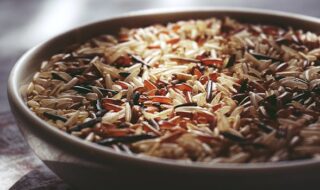
When it comes to choosing between white rice and brown rice, many individuals find themselves wondering which option is more beneficial for their health. The difference between white and brown rice lies not only in their appearance but also in their nutritional content and health effects. Understanding these differences can help you make an educated decision on which type of rice is best suited for your dietary needs.
The Difference Between White and Brown Rice
White rice and brown rice originate from the same grain, but the processing methods differ significantly. Brown rice is considered a whole grain because it retains its bran and germ, which are rich in nutrients like fiber, vitamins, and minerals. White rice, on the other hand, undergoes milling and polishing to remove these parts, resulting in a grain with a finer texture but fewer nutrients.
Nutritional Comparison
Brown rice contains higher amounts of dietary fiber, essential fatty acids, vitamins such as B vitamins, and minerals like magnesium and phosphorus. This makes it a preferred choice for those seeking to maintain a balanced diet. White rice, although lacking in these nutrients, is often enriched to replenish some lost nutrients like iron and certain B vitamins but generally lacks the fiber and minerals present in brown rice.
Health Benefits of Brown Rice
Due to its higher fiber content, brown rice can promote digestive health and improve feelings of fullness, which may aid in weight management. It also has a lower glycemic index compared to white rice, meaning it may cause a slower, more gradual increase in blood sugar levels. This property can be particularly beneficial for individuals managing diabetes. The presence of antioxidants in brown rice further supports overall health by helping to fight oxidative stress.
Why You Might Choose White Rice
White rice is often more palatable and has a softer texture, making it a staple in various cuisines worldwide. For some, especially those with digestive issues, the ease of digestion associated with white rice can be advantageous. Furthermore, since white rice has a longer shelf life and cooks faster, it might also be a more convenient choice for everyday meals.
Factors to Consider in Your Choice
When deciding between white rice and brown rice, consider personal nutritional needs, any dietary restrictions, and personal taste preferences. For fitness enthusiasts, incorporating whole grains like brown rice might align with nutritional goals aimed at supporting energy levels and muscle recovery. You can learn more about building a balanced diet by checking out our article on balanced diets for fitness enthusiasts.
It’s also wise to consider how rice fits into your overall eating patterns. Blending brown rice into meals or alternating between the types can provide a variety of nutrients while catering to different flavors and textures.
Cooking and Preparation Tips
Brown rice requires a longer cooking time compared to white rice due to the retention of the bran layer. To ensure optimal texture, soaking brown rice before cooking can reduce cooking time and enhance its softness. When preparing white rice, it’s important to avoid overcooking to prevent it from becoming mushy.
Both types of rice can be enjoyed in various dishes, from savory stir-fries to sweet rice puddings. Experimenting with different recipes can help you discover your preference and incorporate rice into a balanced diet.
According to the Health Wikipedia page, healthy dietary practices play a crucial role in disease prevention and overall well-being. Including rice as part of a diverse whole-food diet can contribute to this goal.
Ultimately, the difference between white and brown rice comes down to processing and nutritional content. Making a choice depends on individual health goals, dietary needs, and taste preferences.
- Brown rice is a whole grain and retains more nutrients than white rice.
- White rice is softer and quicker to cook but has fewer fiber and minerals.
- Consider personal health goals and taste preferences in your choice.
- Both types of rice have a place in a balanced diet.
- Consult nutritional guides to incorporate rice effectively into meals.
FAQ Section
Is brown rice always the healthier choice?
While brown rice is generally more nutrient-dense than white rice, individual needs and preferences should be considered. Some people may require the easier digestibility of white rice.
Can white rice be part of a healthy diet?
Yes, white rice can be part of a healthy diet, especially when consumed in moderation and balanced with a variety of other nutritious foods.
Does brown rice aid in weight loss?
Brown rice may aid weight management due to its higher fiber content, which can enhance feelings of fullness and promote digestive health.
Is it necessary to rinse rice before cooking?
Rinsing rice before cooking can remove excess starch, reducing stickiness, and, for brown rice, it can help soften the texture. However, it’s a personal preference.
What is the shelf life difference between white and brown rice?
White rice generally has a longer shelf life than brown rice because the oils in the bran of brown rice can lead to faster spoilage. Proper storage is key to extending their shelf life.
Other Articles You May Find of Interest...
- Can Paroxetine Affect Your Weight and Cause Weight Loss?
- Mounjaro vs Ozempic: What Dubai Patients Should Know
- The Nutrients Most Glp-1 Patients Are Deficient in
- Research These 3 Weight Loss Facts Before You Start Another Diet
- Nutritional Strategies for Maintaining Bone Density and Muscle Mass
- Does Trileptal Lead to Weight Gain? Exploring the Connection
- What Does Neon Yellow Urine Mean and What Causes It?



