






More Weight Control, Nutrition & Exercise Articles
Is Peanut Butter a Vegan Food? Exploring Its Plant-Based Qualities
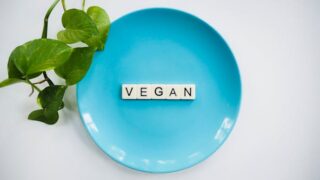
When it comes to dietary choices, those following vegan lifestyles often question common foods to ascertain their compatibility with plant-based diets. One such query is about peanut butter. Is peanut butter a vegan food? The answer largely depends on the ingredients and the manufacturing process involved in producing the peanut butter you consume.
Is Peanut Butter a Vegan Food?
Peanut butter is generally regarded as vegan because its main ingredient, peanuts, are plants. Additionally, many commercial varieties contain salt, oil, and sometimes sugar—all of which are plant-based. However, some brands may include honey or dairy-derived ingredients, so it’s important to check the label if you’re strictly vegan.
For those focusing on health-conscious eating, understanding the nutritional aspects of peanut butter and its role in your meal plan is crucial. It may offer benefits in a vegan diet due to its high protein content, healthy fats, and essential vitamins.
The Importance of Ingredients
Checking the ingredient list is crucial when determining if peanut butter is vegan. Besides peanuts, some brands may add sweeteners like honey or emulsifiers that could be of animal origin. Pure peanut butter typically includes only peanuts and sometimes salt. Certain health-focused brands stick to these simple ingredients, making them suitable for vegan consumption.
In contrast, some processed peanut butters might include additional ingredients like milk solids or honey to enhance flavor or texture, which are not vegan-friendly. Reading labels is essential for confirming the product’s contents align with vegan standards.
Health Benefits of Peanut Butter in a Vegan Diet
For those on a vegan diet, peanut butter serves as an excellent source of protein and essential nutrients. It’s rich in heart-healthy monounsaturated fats and vitamins such as vitamin E and magnesium, making it a nutritious option. The high protein content also supports muscle health and can be a part of a high-protein diet, which is beneficial for weight management and satiety.
Additionally, the fiber content in peanut butter can aid digestion and promote a healthy gut. Nutritionally dense and calorie-rich, it provides energy boost essential for active lifestyles.
Common Concerns with Peanut Butter
Despite its benefits, peanut butter consumption should be moderated due to its calorie density. Overconsumption can lead to a calorie surplus, potentially leading to weight gain. Additionally, those with peanut allergies must avoid peanut butter and seek safer alternatives. High-quality brands without artificial additives or allergens are advised for maintaining optimal health.
Conclusion: Is Peanut Butter a Vegan Food?
So, is peanut butter a vegan food? In most cases, yes, especially when the peanut butter is made solely from peanuts and minimal plant-based additives. It’s a versatile, protein-rich food that fits well into a vegan lifestyle, provided you carefully select your brand and verify ingredients to align with vegan principles. As always, consult a nutritionist for dietary concerns and stay informed about the health benefits.
- Peanut butter is generally vegan when composed of peanuts, salt, and plant-based oils.
- Check labels for non-vegan ingredients like honey or dairy-derived emulsifiers.
- Rich in protein and healthy fats, it’s beneficial in a balanced vegan diet.
- Moderation is key due to its high-calorie nature.
- Ensure to select allergens-free brands if applicable.
Is peanut butter always vegan?
Not always. Some brands may include non-vegan ingredients like honey or dairy-based additives. Check labels carefully before purchasing.
Can peanut butter help with weight loss?
When consumed in moderation, peanut butter can be part of a high-protein diet that aids weight management by promoting fullness while delivering essential nutrients.
Are all types of peanut butter healthy?
Peanut butter with minimal ingredients and without added sugars or hydrogenated oils is generally healthier. Choose varieties with peanuts as the primary ingredient.
What is the nutritional value of peanut butter?
Peanut butter is a good source of protein, healthy fats, vitamins, and minerals like magnesium and vitamin E, contributing significantly to a balanced vegan diet.
Can people with peanut allergies consume peanut butter?
No, individuals with peanut allergies should avoid peanut butter and explore alternative spreads like almond or sunflower seed butter.
Other Articles You May Find of Interest...
- Can Paroxetine Affect Your Weight and Cause Weight Loss?
- Mounjaro vs Ozempic: What Dubai Patients Should Know
- The Nutrients Most Glp-1 Patients Are Deficient in
- Research These 3 Weight Loss Facts Before You Start Another Diet
- Nutritional Strategies for Maintaining Bone Density and Muscle Mass
- Does Trileptal Lead to Weight Gain? Exploring the Connection
- What Does Neon Yellow Urine Mean and What Causes It?



