






More Dental Health Articles
Understanding Cracked Teeth: Causes, Types, and What You Can Do at Home
Over 178 million Americans are missing at least one tooth, and tooth cracks are among the leading causes of tooth loss in adults over 40. What’s particularly concerning is that most people don’t realize they have a cracked tooth until significant damage has already occurred. Unlike a visible chip or cavity, cracks often develop silently, progressing from microscopic stress fractures into serious structural damage that threatens the entire tooth.
The rise in tooth cracks isn’t coincidental—it reflects our modern lifestyle. Increased stress levels have led to epidemic rates of teeth grinding, while our consumption of temperature-extreme foods and beverages creates thermal shock that weakens enamel over time. Add to this longer lifespans and the natural aging of tooth structure, and we’re seeing crack-related dental emergencies at unprecedented rates.
Understanding how teeth crack, why they can’t heal naturally, and the available treatment options for cracked teeth isn’t just academic knowledge—it’s essential for preventing minor cracks from becoming major dental crises. The difference between early recognition and delayed treatment often determines whether you keep your natural tooth or need extensive restoration work.
Here’s what dental science reveals about tooth cracks, and why the most effective “home treatment” is actually prevention and early professional intervention.
What Causes Teeth to Crack and How It Happens
Your tooth enamel is the hardest substance in your body—harder than bone—but it has a critical weakness: it cannot regenerate. Unlike other tissues that can heal and rebuild, enamel is essentially a crystalline structure of hydroxyapatite minerals that, once damaged, stays damaged. Understanding this fundamental limitation explains why prevention matters more than any home remedy.
Most tooth cracks develop through a process called fatigue failure. Just like metal that weakens under repeated stress, your teeth accumulate microscopic damage over years of chewing, grinding, and thermal expansion. Bruxism (teeth grinding) is the primary culprit, generating forces up to 250 pounds per square inch—far exceeding normal chewing pressure of 20-25 pounds. These extreme forces create stress concentrations at natural weak points in your tooth structure.
Temperature changes create another major crack pathway. When you drink hot coffee followed by ice water, your enamel expands and contracts rapidly. This thermal cycling creates internal stress because different parts of the tooth expand at different rates—the enamel surface changes temperature faster than the inner dentin. Over time, these repeated thermal stresses weaken the enamel’s crystalline structure.
Traumatic cracks happen differently but often reveal underlying structural weakness. A healthy tooth can withstand significant impact, but one already weakened by grinding, large fillings, or previous dental work becomes vulnerable to fracture from relatively minor trauma—biting down on a hard seed, ice cube, or even tough meat.
Age compounds all these factors. As we get older, our teeth naturally lose moisture content, making the enamel more brittle. The dentin underneath also becomes less flexible, reducing the tooth’s ability to absorb and distribute stress forces. This explains why crack-related dental problems surge after age 40, even in people with previously healthy teeth.
How to Identify Different Types of Tooth Cracks
Not all tooth cracks are created equal, and understanding the distinctions helps you recognize what you’re dealing with and respond appropriately. The location, depth, and direction of a crack determine both its symptoms and its long-term prognosis.
Vertical Cracks vs Horizontal Fractures
Vertical cracks are the most common and typically start at the chewing surface, extending downward toward the root. These often begin as hairline fractures in the enamel but can progress through the entire tooth structure. The danger lies in their tendency to propagate—what starts as a minor cosmetic issue can split the tooth completely if left untreated.
Most vertical cracks follow the natural stress patterns created by chewing forces and tooth anatomy. They frequently develop along the margins of large fillings, where the interface between natural tooth and filling material creates a stress concentration point. You might notice sensitivity to temperature changes or pain when biting down, especially when releasing pressure.
Horizontal fractures are less common but often more serious because they typically result from direct trauma rather than gradual wear. These can create loose fragments that may need immediate removal. Horizontal cracks through the root are particularly problematic and often lead to tooth loss.
Stress Fractures and Microcrack Formation
Craze lines appear as superficial cracks in the enamel surface—think of them as wrinkles in your tooth’s outer layer. These hairline vertical lines are extremely common in adults and usually don’t cause symptoms or require treatment. However, they can serve as warning signs of excessive stress on your teeth.
Stress fractures represent the middle ground between harmless craze lines and serious structural cracks. These extend deeper into the enamel and may reach the underlying dentin. Unlike craze lines, stress fractures can cause intermittent pain and sensitivity, particularly to cold temperatures or sweet foods.
The progression from microcrack to serious fracture isn’t inevitable, but it’s influenced by continued stress exposure, oral habits, and individual tooth anatomy. Understanding this progression helps explain why managing underlying causes—like grinding habits or poor bite alignment—matters more than treating individual symptoms.
Common Signs and Symptoms of Cracked Teeth
Cracked tooth symptoms can be frustratingly intermittent and difficult to pinpoint, which often leads to delayed diagnosis and treatment. Unlike a cavity that causes consistent, localized pain, tooth cracks create variable symptoms that depend on crack depth, location, and what triggers the crack to open or close.
Sharp pain when biting down is the classic cracked tooth symptom, but it’s specifically pain upon *release* of pressure that’s most diagnostic. When you bite down, the crack opens slightly; when you release pressure, it snaps closed, often creating a sharp, shooting pain. This explains why people often report that chewing doesn’t hurt, but letting go of the bite does.
Temperature sensitivity typically manifests as brief, sharp pain when consuming cold foods or beverages. The crack allows temperature changes to reach the tooth’s nerve more directly than they would through intact enamel. Interestingly, sensitivity to hot temperatures often indicates a more advanced crack that’s reached the tooth’s pulp.
Intermittent pain is perhaps the most challenging symptom because it comes and goes unpredictably. The crack may only cause discomfort under specific conditions—certain chewing motions, particular foods, or even specific weather changes that affect barometric pressure. This unpredictability often leads people to postpone dental evaluation.
Some people experience referred pain—discomfort in adjacent teeth or even the opposite jaw. This happens because the trigeminal nerve that supplies sensation to your teeth has complex branching patterns. A crack in one tooth can trigger pain signals that your brain interprets as coming from nearby areas.
Visual signs include obvious crack lines (though many cracks aren’t visible to the naked eye), changes in how light reflects off the tooth surface, or small pieces of tooth breaking away during eating. However, many significant cracks produce no visual changes at all, making professional diagnosis essential for proper evaluation.
Why Cracked Teeth Cannot Heal Naturally at Home
The fundamental reason why cracked teeth don’t heal relates to enamel’s unique biological properties. Unlike bone, which contains living cells that can rebuild and repair damage, tooth enamel consists entirely of mineralized crystals with no living tissue. Once these crystalline structures are disrupted by a crack, they cannot regenerate or repair themselves.
Understanding Tooth Structure and Healing Limitations
Tooth enamel lacks blood supply, nerve endings, and cellular components necessary for healing. It’s essentially a biological ceramic—incredibly strong and durable, but incapable of self-repair. When you break a piece of glass or pottery, it doesn’t heal back together; the same principle applies to cracked enamel.
The underlying dentin does contain living processes and can lay down new mineral deposits in response to irritation, but this process can’t bridge across a crack. Instead, dentin’s response to crack-related irritation is often to become more sensitive, not to heal the structural damage.
Even minor cracks create pathways for bacteria to penetrate deeper into tooth structure. Saliva, while beneficial for many aspects of oral health, cannot effectively clean out the microscopic spaces within a crack. This bacterial penetration can lead to decay within the crack, actually making the structural damage worse over time.
Temporary Relief vs Permanent Solutions
Home remedies for cracked tooth discomfort can provide temporary symptom relief but never address the underlying structural problem. Over-the-counter pain relievers reduce inflammation and block pain signals; desensitizing toothpastes can temporarily reduce nerve sensitivity; saltwater rinses may reduce bacterial irritation around the crack site.
However, these approaches can create a dangerous false sense of security. Reduced pain doesn’t mean the crack has healed—it often means you’re no longer receiving the warning signals that would prompt appropriate treatment. Meanwhile, the structural weakness persists and may worsen.
Temporary dental cement or filling materials available in drugstores might provide short-term protection for a broken piece of tooth, but they cannot restore structural integrity to a cracked tooth. These materials aren’t bonded to the tooth structure in the way professional restorations are, and they can actually mask symptoms while the underlying crack progresses.
The most concerning aspect of relying on home management is that many cracked teeth are salvageable with early professional intervention but become non-restorable if treatment is delayed. What might require a simple crown placement early on could progress to need root canal treatment, or even extraction, if the crack deepens or bacteria reaches the tooth’s pulp.
Preventing Tooth Cracks and Maintaining Enamel Strength
Since cracked teeth cannot heal naturally, prevention becomes the most effective “treatment” available. Research shows that people who implement comprehensive prevention strategies can reduce their tooth crack risk by up to 70%, making this the most valuable investment in your long-term dental health.
Lifestyle Factors That Protect Teeth
Nutrition plays a crucial role in maintaining enamel strength throughout life. Calcium and phosphorus provide the building blocks for enamel mineral structure, but vitamin D is equally important because it enables proper mineral absorption. Foods rich in these nutrients—dairy products, leafy greens, fish with edible bones, and nuts—help maintain optimal enamel mineralization.
Hydration affects enamel strength in ways most people don’t realize. Adequate water intake maintains healthy saliva production, which provides minerals that can strengthen enamel surface layers through a process called remineralization. Chronic dehydration reduces this protective effect and can make teeth more vulnerable to crack formation.
Avoiding destructive habits prevents the repetitive stress that leads to fatigue failure in tooth structure. Using teeth as tools—opening packages, cracking nuts, biting nails, or chewing on ice—creates concentrated forces that can initiate cracks. Even habits like aggressive toothbrushing with a hard-bristled brush can create stress concentrations that weaken enamel over time.
Managing Bruxism and Grinding
Teeth grinding generates more destructive force than any other factor in crack formation, making its management essential for prevention. Modern stress levels, increased caffeine consumption, and sleep disorders have made bruxism epidemic, affecting an estimated 60-70% of adults to some degree.
Night guards remain the gold standard for protecting teeth during sleep grinding. Custom-fitted guards distribute forces across multiple teeth rather than concentrating stress on individual teeth. Over-the-counter guards can provide some protection but often don’t fit properly enough to effectively redistribute forces.
Stress management addresses bruxism at its source. Techniques like progressive muscle relaxation, meditation, and regular exercise can reduce the neurological triggers that cause unconscious grinding. Some people benefit from cognitive behavioral therapy specifically focused on breaking unconscious oral habits.
Sleep hygiene improvements often reduce grinding intensity even when they don’t eliminate it completely. Avoiding caffeine late in the day, maintaining consistent sleep schedules, and addressing sleep-disordered breathing can all reduce the likelihood of intense grinding episodes that cause the most tooth damage.
Recognition of grinding episodes helps with early intervention. Morning jaw soreness, headaches, or tired facial muscles often indicate significant nocturnal grinding, even when people aren’t aware they grind their teeth during sleep.
When Professional Treatment Becomes Necessary
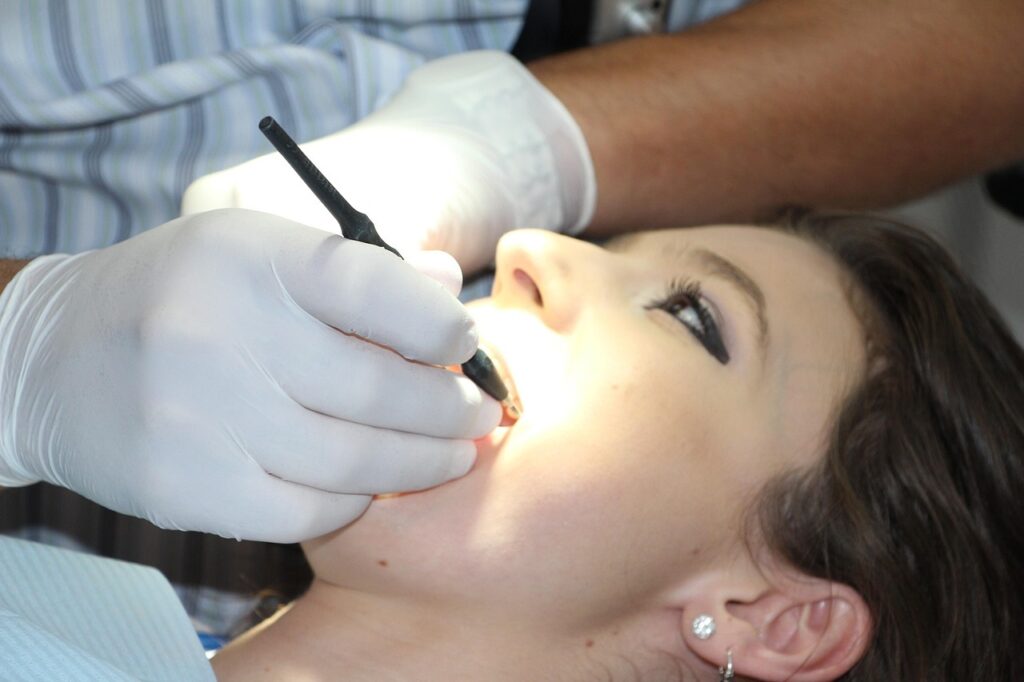
Understanding when a cracked tooth requires professional evaluation can make the difference between saving and losing a natural tooth. While minor craze lines might be monitored over time, certain symptoms and crack characteristics demand immediate attention to prevent irreversible damage.
Persistent pain that doesn’t resolve within 24-48 hours suggests the crack has reached sensitive tooth structures. Pain that worsens rather than improves, especially pain that throbs or keeps you awake at night, often indicates that bacteria have reached the tooth’s nerve through the crack pathway. This represents a dental emergency requiring immediate evaluation.
Visible crack progression means the structural damage is advancing and will continue to worsen without intervention. If you can see that a crack line has extended since you first noticed it, or if pieces of tooth are breaking away, the tooth has lost sufficient structural integrity to function safely.
Temperature sensitivity that becomes more severe or lasts longer than a few seconds after exposure suggests the crack is deepening. When cold sensitivity progresses to heat sensitivity, it often indicates irreversible nerve damage that requires root canal treatment for the tooth to be saved.
Changes in bite or jaw function may indicate that a crack has altered the tooth’s shape or position. If your teeth no longer fit together properly, or if you unconsciously avoid chewing on one side, the crack may have created instability that threatens adjacent teeth as well.
Professional evaluation becomes essential because dentists can assess crack depth and extent using specialized lighting, magnification, and diagnostic techniques not available for home assessment. They can determine whether a crack extends into the root, affects the nerve, or threatens the tooth’s long-term viability—information that’s impossible to gather through home examination.
Early professional intervention often allows for conservative treatment approaches like bonding or crown placement that preserve most of the natural tooth structure. Delayed treatment frequently results in more extensive procedures, higher costs, and less predictable long-term outcomes.
Common Questions About Cracked Teeth
“Can a cracked tooth get worse if I don’t treat it?”
Yes, and this progression is often inevitable rather than just possible. Cracked teeth are subject to the same forces that created the crack initially—chewing pressure, temperature changes, and structural stress. These ongoing forces tend to propagate existing cracks deeper into the tooth structure over time. What makes this particularly problematic is that crack progression often accelerates as the tooth loses structural integrity.
Research from the Journal of Endodontics shows that untreated cracked teeth have a 15-25% annual progression rate to more severe categories requiring more extensive treatment. More concerning is that teeth with untreated cracks are 40% more likely to develop infections that can spread to surrounding tissues.
“Why do some people get more tooth cracks than others?”
Individual susceptibility varies significantly based on genetic factors, lifestyle habits, and anatomical variations. Some people inherit naturally thinner enamel or different crystalline structure that affects crack resistance. Jaw muscle strength varies considerably between individuals—people with stronger jaw muscles generate more destructive forces during grinding.
Tooth anatomy also influences crack susceptibility. People with naturally deep grooves in their molars, previous large fillings, or teeth with unusual shapes may develop stress concentrations that predispose to cracking. Additionally, certain medical conditions affecting bone density or mineral metabolism can alter tooth structure in ways that increase fracture risk.
“Are there foods I should avoid if I’m prone to tooth cracks?”
Hard foods create the highest risk, particularly when they’re unexpectedly hard—olive pits in food, unpopped popcorn kernels, or ice cubes. Temperature-extreme foods and beverages create thermal stress, especially when consumed in rapid succession (hot coffee followed by ice cream).
Sticky foods can also contribute to crack formation by creating unusual force directions during chewing. Caramel, hard candies, and dried fruits can generate sideways forces on teeth that differ from normal chewing patterns, potentially initiating cracks along different stress lines than those teeth are designed to handle.
The evidence suggests that being mindful of these factors, combined with comprehensive prevention strategies, offers the best protection against tooth cracks—a condition that, once it occurs, requires professional intervention to prevent progressive damage. Early recognition and appropriate treatment remain the keys to maintaining long-term dental health when cracks do develop.
Other Articles You May Find of Interest...
- What Makes a Beautiful Smile? Key Elements of Modern Dental Aesthetics
- TMJ Disorders
- The Sudden Nighttime Toothache: How to Get Through the Night When You Can’t Sleep
- What to Do If You Lose a Filling at Dinner: A Quick 3-Step Survival Guide
- How to Get Rid of a Tooth Abscess Without Going to the Dentist
- Receding Gums and Enamel Loss: What’s Really Going On?



