






More Dental Health Articles
How Preventive Dentistry Protects Long-Term Oral Health
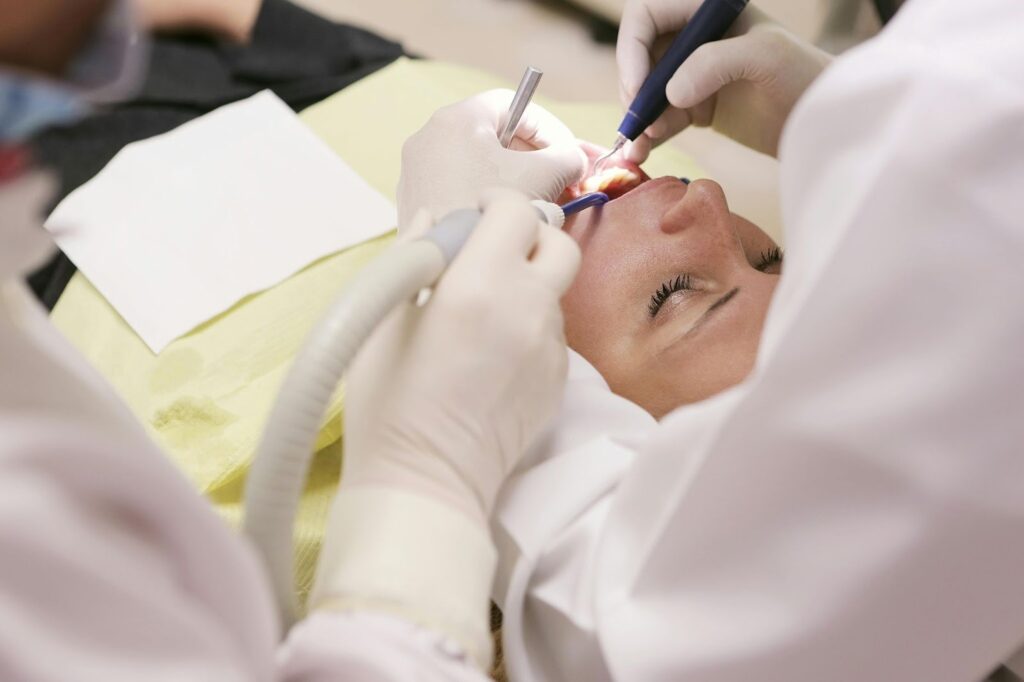
You’ve likely heard that preventive dentistry is essential for maintaining long-term oral health. By focusing on proactive measures like regular check-ups and fluoride treatments, you can reduce the risk of developing serious dental issues. These practices not only strengthen teeth but also help in early detection of problems like cavities and gum disease. But did you know there are other aspects that greatly contribute to this preventive approach? Let’s explore further to understand their impact.
Understanding the Basics of Preventive Dentistry
When it comes to maintaining ideal oral health, understanding the basics of preventive dentistry is essential. Preventive care focuses on proactive measures to avert dental issues before they arise. By integrating effective oral hygiene practices, such as regular brushing and flossing, you can greatly reduce the risk of cavities and gum disease. Scientific studies have shown that diligent oral hygiene disrupts bacterial biofilms, which are the primary culprits of dental decay and periodontal diseases.
Additionally, adopting preventive care strategies includes the use of fluoride toothpaste and antimicrobial mouth rinses. These enhance enamel resistance against acid attacks and reduce microbial load, respectively. Consistent application of these methods not only preserves dental integrity but also contributes to overall systemic health by preventing bacterial proliferation that can affect other bodily systems.
The Benefits of Regular Dental Check-Ups
Regular dental check-ups are a cornerstone of effective preventive dentistry, offering numerous benefits that extend beyond mere cavity detection. These appointments are essential for maintaining ideal oral hygiene, as they allow dental professionals to identify early signs of periodontal disease, oral cancer, and other conditions that could compromise your oral health. By addressing issues early, you can avoid more invasive and costly treatments later.
For a comprehensive approach, consider leading preventive dentistry in Dearborn Heights to ensure your oral health is managed proactively and thoroughly. Moreover, consistent check-ups can alleviate dental anxiety. Familiarity with your dental care routine and team can make appointments less intimidating, encouraging regular visits. Techniques such as cognitive behavioral therapy or sedation may be employed by dental professionals to manage anxiety. Consequently, regular check-ups are not just about maintaining teeth; they’re about safeguarding your overall oral and psychological well-being.
Importance of Professional Dental Cleanings
You’ll find that professional dental cleanings are essential for effectively removing plaque, which ordinary brushing and flossing can’t entirely eliminate. This process not only helps prevent cavities and gum disease but also allows dental professionals to detect early signs of oral health issues, such as periodontal disease or oral cancers. By addressing these concerns promptly, you can maintain ideal oral health and potentially avoid more invasive treatments in the future.
Remove Plaque Effectively
Though daily brushing and flossing are essential components of oral hygiene, they often fall short in removing all plaque and tartar, which can only be effectively managed through professional dental cleanings. Your dentist employs advanced plaque removal techniques such as scaling and polishing that go beyond what effective brushing and flossing can achieve at home. These techniques are vital in reaching areas that your toothbrush can’t access, preventing the formation of harmful biofilm. Professional cleanings also use specialized instruments to remove calcified deposits, greatly reducing the risk of periodontal disease. Regular appointments guarantee that plaque doesn’t accumulate to a point where it compromises your oral health, preserving the integrity of your teeth and gums for the long term.
Detect Early Issues
While professional cleanings effectively manage plaque and tartar, they also serve an equally important role in early detection of oral health issues. During routine exams, dental professionals meticulously examine your oral cavity, identifying potential problems such as cavities, gingivitis, or periodontal disease at an early stage. This proactive approach helps prevent the progression of these conditions into more severe health issues that could require extensive treatment.
Routine exams also provide an opportunity to assess areas often overlooked, like the soft tissues of your mouth, where signs of oral cancer or other abnormalities might appear. Early detection considerably enhances treatment outcomes and maintains long-term oral health. By investing in regular professional cleanings, you’re not just maintaining oral hygiene but actively safeguarding your dental future.
Role of Fluoride Treatments in Strengthening Teeth
Fluoride, a naturally occurring mineral, plays an essential role in enhancing dental health by reinforcing the enamel, the outer protective layer of teeth. When you use fluoride treatments, you benefit from its unique ability to remineralize weakened enamel. This process not only arrests early decay but also prevents cavity formation. The fluoride benefits are multifaceted; it integrates into the tooth structure, becoming part of the enamel and making it more resistant to acid attacks from plaque bacteria and sugars. Enamel strengthening through fluoride is well-documented, with numerous studies validating its efficacy. By incorporating fluoride into your dental care routine, either through professional treatments or daily fluoride toothpaste, you’re taking a proactive step in securing your teeth’s long-term resilience and health.
How Dental Sealants Offer Added Protection
You might find dental sealants to be a highly effective preventive measure against tooth decay, particularly in children and adolescents. These thin, protective coatings are applied to the occlusal surfaces of molars and premolars, sealing the deep grooves and pits where cariogenic bacteria often accumulate. Studies indicate that sealants can reduce the risk of carious lesions by up to 80%, making them a valuable adjunct to regular oral hygiene practices.
Benefits of Dental Sealants
Dental sealants provide a formidable barrier against tooth decay, enhancing oral health by shielding the enamel from harmful bacteria and food particles. They’re particularly beneficial for children and adolescents, whose molars are more susceptible to cavities. Sealant types vary, including resin-based and glass ionomer options, each offering unique application benefits. Resin-based sealants are durable and highly resistant to wear, making them ideal for long-lasting protection. Glass ionomer sealants, meanwhile, release fluoride, providing an added defense mechanism against decay.
Applying dental sealants is a proactive strategy that considerably decreases cavity incidence, reducing the need for future restorative treatments. By choosing the appropriate sealant type, you can guarantee peak protection tailored to specific dental needs, safeguarding your teeth for years to come.
Sealants’ Application Process
One of the key stages in the sealants’ application process involves meticulous surface preparation, guaranteeing ideal adhesion and effectiveness. You must first clean the tooth surface to remove plaque and debris. This is typically followed by an etching procedure, which involves applying a mild acidic solution to the tooth’s surface. This step is essential to create a roughened texture, enhancing the bonding of the sealant materials. After rinsing and drying the etched surface, you can apply the sealant using precise application techniques. The sealant is then cured, often with a specialized light, to harden and form a protective barrier. This process guarantees that the sealant adheres effectively, providing a robust defense against caries and preserving long-term oral health.
Establishing a Strong Oral Hygiene Routine at Home
Although maintaining ideal oral health may seem straightforward, establishing a robust oral hygiene routine at home requires a well-informed approach. First, understanding effective flossing techniques is essential. Floss daily using a gentle sawing motion to remove interdental plaque and debris, reducing gingival inflammation. Proper brushing frequency is another cornerstone—twice a day for two minutes with fluoride toothpaste minimizes plaque buildup and strengthens enamel. Use a soft-bristled toothbrush to prevent enamel abrasion and gum recession. Regularly replace the toothbrush every three to four months or sooner if bristles fray. Complement this regimen with antibacterial mouthwash to decrease oral bacterial load. By integrating these evidence-based practices, you’ll enhance your oral health, preventing cavities and periodontal diseases over the long term.
Nutritional Choices That Support Oral Health
To enhance your oral health, focus on incorporating foods rich in calcium, such as dairy products and leafy greens, into your diet, as they play a critical role in the remineralization of tooth enamel. Additionally, reducing sugar intake is essential, as sugars contribute to the formation of acidogenic bacteria, which are responsible for dental caries. Evidence supports that these nutritional strategies can considerably reduce the risk of tooth decay and support overall dental well-being.
Foods Rich in Calcium
Calcium, a fundamental mineral for maintaining strong teeth and bones, plays an essential role in preventive dentistry and overall oral health. Adequate calcium intake is vital for the mineralization of dental enamel, which enhances resistance to caries. You can find excellent calcium sources in dairy products such as milk, cheese, and yogurt. If you’re lactose intolerant or prefer dairy alternatives, consider fortified options like almond milk, soy milk, and tofu. These alternatives often provide comparable calcium levels, supporting your dental health while catering to dietary preferences. Studies suggest that consistent consumption of calcium-rich foods can reduce the risk of periodontal disease. By prioritizing calcium in your diet, you actively contribute to your long-term oral health maintenance.
Sugar Intake Reduction
While maintaining an ideal diet for oral health, reducing sugar intake is an essential component to take into account. Consuming excessive sugars leads to the proliferation of oral bacteria, which metabolize sugars into acids, eroding enamel and increasing the risk of cavities. To achieve a dietary balance, consider incorporating sugar substitutes like xylitol or erythritol, which do not contribute to tooth decay. Evidence suggests that these alternatives can help maintain oral health by reducing the acidic environment in your mouth. It’s vital to read nutrition labels carefully, as hidden sugars often lurk in processed foods. By consciously reducing sugar consumption and opting for healthier alternatives, you can markedly mitigate the risk of dental caries and support long-term oral health.
The Impact of Tobacco and Alcohol on Oral Health
Although the allure of tobacco and alcohol might be strong, their detrimental effects on oral health can’t be overlooked. Tobacco effects include an increased risk for periodontal disease, a condition where gums and supporting structures of teeth become inflamed and can lead to tooth loss if untreated. Nicotine restricts blood flow, impairing gum healing. Similarly, alcohol consequences extend to oral health, as heavy consumption is linked to oral cancers and xerostomia, or dry mouth, which reduces saliva production essential for neutralizing acids and washing away food particles. Both substances can stain teeth, affecting aesthetics and potentially leading to a higher prevalence of caries. To safeguard your oral health, it’s vital to understand these risks and discuss preventive strategies with your dental professional.
Recognizing Early Signs of Dental Issues
Understanding the hazards posed by tobacco and alcohol is a key step in maintaining oral health, but recognizing early signs of dental issues is equally important. Early symptoms can be subtle, yet essential to address promptly to prevent progression. Key indicators include:
- Dental discomfort: Persistent pain or sensitivity could signal underlying problems.
- Gum changes: Swelling, redness, or bleeding during brushing should not be ignored.
- Tooth discoloration: Changes in color may indicate decay or enamel erosion.
- Bad breath: Persistent halitosis might suggest gingival infection or decay.
- Loose teeth: Any movement in permanent teeth often points to periodontal disease.
Long-Term Cost Savings of Preventive Dentistry
Investing in preventive dentistry can lead to considerable long-term cost savings by mitigating the need for more extensive and expensive treatments down the line. By prioritizing regular check-ups and cleanings, you reduce the risk of developing severe dental issues such as cavities, periodontal disease, and tooth loss. These proactive measures serve as dental investments that protect your oral health and financial resources. Evidence indicates that the cost of preventive care is notably lower than that of restorative procedures like fillings, crowns, or implants. Additionally, maintaining ideal oral hygiene reduces the likelihood of systemic health issues linked to poor dental health, further contributing to long-term savings. Essentially, investing in preventive dentistry not only safeguards your teeth but also your wallet.
Frequently Asked Questions
How Does Preventive Dentistry Differ From Restorative Dentistry?
Preventive care focuses on maintaining oral health and preventing disease, using methods like cleanings and sealants. Restorative treatment, however, addresses existing issues, repairing damage with procedures such as fillings, crowns, and bridges to restore function.
What Role Does Genetics Play in Oral Health?
Genetic predispositions and hereditary factors greatly influence your oral health. They can affect your susceptibility to conditions like tooth decay, gum disease, and enamel strength. Understanding these can guide personalized preventive strategies, optimizing long-term dental care outcomes.
Are There Natural Alternatives to Fluoride Treatments?
You’re exploring natural alternatives to fluoride treatments, such as herbal solutions like neem and licorice root. Both demonstrate potential anticariogenic properties, though more research is needed. Always consult dental professionals before replacing conventional treatments with natural remedies.
How Can Stress Impact Oral Health?
Stress can negatively impact oral health by increasing bruxism and neglecting oral hygiene. Effective stress management strategies, such as cognitive-behavioral techniques, can mitigate these effects, improving oral health outcomes and reducing risks of periodontal disease and tooth erosion.
What Are the Best Oral Health Practices for Children?
Make certain your child brushes their teeth twice daily with fluoride toothpaste and attends regular dental check-ups. These practices help prevent cavities and promote healthy oral development, supporting strong enamel and proper alignment over time.
Other Articles You May Find of Interest...
- TMJ Disorders
- The Sudden Nighttime Toothache: How to Get Through the Night When You Can’t Sleep
- What to Do If You Lose a Filling at Dinner: A Quick 3-Step Survival Guide
- How to Get Rid of a Tooth Abscess Without Going to the Dentist
- Receding Gums and Enamel Loss: What’s Really Going On?
- Benefits of an Ultrasonic Retainer Cleaner for Older Adults: The Role of an Ultrasonic Denture Cleaner



