






Plasma Donation Frequency: How Often Is Safe and Beneficial?
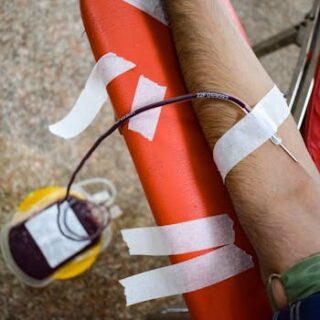
Plasma donation is a remarkable way to help others while potentially benefiting your own health. If you are considering this altruistic act, you might wonder, how often can you donate plasma? Understanding the frequency of safe plasma donation is crucial both for donor health and the efficiency of plasma collection centers.
How Often Can You Donate Plasma?
Generally, healthy individuals can donate plasma every 28 days in most countries. However, in the United States, a shorter donation cycle is permitted, allowing people to donate plasma as frequently as twice a week, with at least a 48-hour interval between donations. This frequency is based on studies indicating it is safe for healthy adults. Nevertheless, donation centers closely monitor donor health and hemoglobin levels to ensure safety.
Before deciding to donate plasma frequently, it’s crucial to understand the process and potential impacts on your body. The bodies of regular donors efficiently replace plasma within 48 hours. Still, it is important to maintain a well-balanced diet and stay hydrated to support recovery. If you ever feel uncertain about the donation frequency, consult healthcare professionals for personalized advice.
The Benefits and Considerations of Plasma Donation
Donating plasma can support numerous medical procedures and treatments, particularly for patients with burns, shock, trauma, and clotting disorders. Plasma is also vital in developing therapies for chronic conditions such as hemophilia and immune system deficiencies.
However, regular plasma donation requires careful attention to your health. Consistent donations may lead to symptoms like dizziness, fatigue, or fainting during the initial process, which are generally temporary. It’s essential to follow pre- and post-donation instructions provided by the donation center to minimize any adverse effects.
Preparing for Plasma Donation
Before you head to your plasma donation appointment, keep these tips in mind:
- Stay well-hydrated by drinking plenty of water or non-caffeinated fluids 24 hours before donating.
- Avoid caffeine and alcohol, which can dehydrate the body.
- Eat a nutrient-rich meal high in proteins and iron just before your appointment.
- Ensure you have had adequate rest to prevent fatigue.
Safety Guidelines and Regulations
Government health agencies, such as the FDA, and organizations like the World Health Organization establish stringent guidelines to ensure donor safety. These include eligibility criteria such as age, weight, health status, and testing for infectious diseases.
The frequency with which you can donate plasma is governed by these regulations, intended to protect both the donor and the recipients. Centers perform a health screening, including checking for proper protein and iron levels before each session. If you happen to be underweight or have low protein levels, you might be deferred from donating for your safety.
Addressing Common Concerns
Potential donors often worry about the impact of frequent plasma donations on health. While generally safe, over-donation could potentially result in anemia or a weakened immune response. Monitoring your own health and attending regular health checkups becomes crucial as a frequent donor.
If you’re trying to manage weight or improve your general health, adopting safe and effective approaches to nutrition and exercise can complement your donation activities.
Remember, the act of donating plasma should not compromise your health. If you experience ongoing negative symptoms, reconsider the frequency of your donations or consult a healthcare provider for guidance.
Takeaways
- The recommended plasma donation frequency is once every 28 days or more frequently in the U.S., with a 48-hour interval.
- Plasma donation can support life-saving treatments and help in medical research.
- Proper hydration, nutrition, and rest are crucial for plasma donors’ health.
- It is essential to follow safety guidelines and personal health advice when donating.
- Consult with a healthcare professional if you have concerns about donating plasma regularly.
FAQs about Plasma Donation
What is the minimum age requirement for plasma donation?
Most countries require donors to be at least 18 years old, although some places allow donors aged 16 or 17 with parental consent.
Can I donate plasma if I have a cold or flu?
It is recommended to wait until you are feeling fully recovered from any cold, flu, or other illness before donating plasma. This ensures the quality of the plasma and your safety as a donor.
Do I need to be fasting before donating plasma?
No, fasting is not required. In fact, it is advisable to have a balanced meal rich in protein and iron before your donation to prevent feeling lightheaded.
How is plasma used in medical treatments?
Plasma is crucial in treating patients with conditions like hemophilia, immune system disorders, and in developing therapies for trauma and burns.
Is donating plasma painful?
Most donors experience only minor discomfort, comparable to a blood draw. Some may feel slight pain when the needle is inserted, but this typically subsides quickly.
Ultimately, understanding how often can you donate plasma is vital to ensuring the safety and health of both donors and the recipients benefiting from this selfless act. Always prioritize your health and be mindful of your body’s signals when donating.



