






More Beauty Skin Care & Gorgeous Smiles Articles
Can Castor Oil Help Relieve Eczema Symptoms?
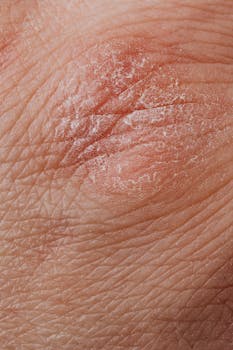
For individuals struggling with eczema, exploring natural remedies can be a hopeful avenue. One such remedy that often comes into consideration is castor oil. Known for its hydrating properties, castor oil for eczema may offer some relief from the symptoms associated with this uncomfortable skin condition. In this article, we will uncover how castor oil might help soothe eczema-prone skin, what the potential benefits and risks are, and when it’s time to consult a healthcare professional.
Understanding Castor Oil for Eczema
Castor oil is derived from the seeds of the Ricinus communis plant and has been used for centuries for various health and beauty purposes. Its thick, viscous consistency is attributed to its high ricinoleic acid content, a known fatty acid that possesses anti-inflammatory and moisturizing properties. This makes castor oil an intriguing candidate for addressing eczema symptoms, such as dry, itchy skin.
How Castor Oil May Benefit Eczema
There are several ways in which castor oil might provide comfort to those with eczema:
- Moisturization: Castor oil can help create a barrier that prevents moisture loss, crucial for eczema sufferers whose skin is often drier and more vulnerable to irritants.
- Anti-Inflammatory Properties: The ricinoleic acid in castor oil may help reduce inflammation and soothe irritated skin.
- Skin Healing: Some believe that castor oil aids in skin regeneration, potentially speeding up recovery from eczema flare-ups.
Application Tips for Castor Oil on Eczema
If you’re considering using castor oil for eczema, it’s crucial to do a patch test first to ensure that your skin reacts well. When applying, follow these simple steps:
- Gently clean and pat dry the affected area.
- Apply a thin layer of castor oil using clean fingers or a cotton pad.
- Allow the oil to absorb into the skin, preferably overnight.
For more insights on the holistic approach to managing health conditions, you might be interested in an evidence-based look at holistic medicine versus traditional medicine.
Potential Risks and Considerations
While castor oil is generally safe for topical use, certain considerations should be kept in mind:
- Possible Allergic Reactions: Conduct a patch test to ensure you do not have an allergic reaction to the oil.
- Pore Clogging Potential: Some people with sensitive skin might find that castor oil clogs their pores, leading to potential outbreaks.
- Dermatologist Consultation: Always consult with a dermatologist before trying new treatments, especially if you have severe eczema.
When to Consult a Healthcare Provider
If eczema symptoms persist or worsen despite using castor oil, it’s important to seek professional advice. A dermatologist can provide a tailored treatment plan that might include a mix of traditional therapies and safe, natural products. Additionally, they can offer guidance on how best to incorporate natural remedies like castor oil into your skincare routine.
Conclusion
While castor oil for eczema does not guarantee a cure, it may offer relief and contribute to the overall management of eczema symptoms. It’s essential to proceed with caution, keep open communication with healthcare providers, and prioritize your skin’s health and comfort.
For more scientific information on the potential benefits and considerations of using natural oils for skin health, check out the details available at Wikipedia’s health section.
Takeaways
- Castor oil’s moisturizing and anti-inflammatory properties may support eczema management.
- Patching testing is recommended to check for potential allergies.
- Consultation with a dermatologist can enhance treatment effectiveness.
- Castor oil is not a substitute for prescribed eczema treatments.
- Maintain open communication with healthcare providers for best outcomes.
FAQs
Can castor oil completely cure eczema?
No, castor oil cannot cure eczema, but it may help manage symptoms like dryness and inflammation.
What are the active components in castor oil?
The primary active component in castor oil is ricinoleic acid, a fatty acid with anti-inflammatory properties.
Is castor oil safe for children with eczema?
While generally safe, it’s best to consult a pediatrician before using castor oil on children to ensure safety and efficacy.
How often should castor oil be applied to eczema-prone skin?
Application frequency can vary, but starting with a few times a week and observing your skin’s reaction is advisable. Always consult with a dermatologist for personalized advice.
Can I use castor oil in combination with other eczema treatments?
Yes, it can be integrated with other treatments, but it is recommended to do so under the guidance of a healthcare provider to prevent interactions.
Other Articles You May Find of Interest...
- Understanding PDRN Therapy: The Science Behind Skin Barrier Repair and Tissue Regeneration
- Who Is a Suitable Candidate for Breast Augmentation?
- Peptides vs Retinoids for Sensitive Skin: Why Matrixyl 3000 and CoQ10 Are Changing the Conversation
- Whitehead or Pustule? How to Tell These Acne Bumps Apart
- What Patients Should Know About Skin Removal Surgery
- Breast Augmentation vs. Breast Lift: Understanding the Difference
- 5 Things New Moms Should Know About Tummy Tuck Timing





