






More Beauty Skin Care & Gorgeous Smiles Articles
Healing and Managing Your 1 Year Arm Lift Scar for Optimal Recovery
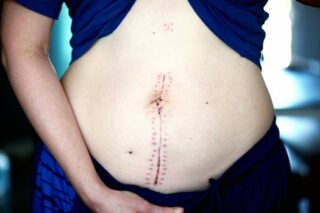
Undergoing surgery, such as an arm lift, can be a significant life event. For a lot of people, understanding how to manage and care for their scars after surgery is of utmost importance. If you’re one year post-op and dealing with your 1 year arm lift scar, you’re likely seeking ways to enhance healing and appearance. Read on to discover effective methods for managing your scar and ensuring the area continues to heal optimally.
Understanding Your 1 Year Arm Lift Scar
At the 12-month mark, your arm lift scar has matured significantly. Most post-surgery scars will have transitioned from their initial redness to a lighter color, sometimes blending with the skin tone. However, individual healing patterns vary. Some people experience a raised or itchy scar, indicating that the healing process is ongoing.
It’s important to note that while scars may continue to improve for years, understanding the nature of your scars at the 1 year mark can help set realistic expectations. Managing scars is not just about aesthetics but also comfort and skin health.
Best Practices for Scar Care
Your journey to managing your arm lift scar involves a combination of professional treatments and self-care measures. Here are some guidelines to ensure your scar remains healthy and possibly less visible:
- Moisturizing: Keeping the scar moisturized can support skin elasticity and comfort. Opt for a lotion that is non-irritating and contains ingredients like vitamin E or silicone, which may help improve the appearance.
- Sun Protection: Protecting your scar from the sun is crucial. Exposure to UV rays can darken scars, making them more noticeable. Applying broad-spectrum sunscreen whenever the area is exposed is a simple yet effective step.
- Gentle Massage: Massaging the scar gently can promote blood flow and reduce stiffness in the area. Use gentle circular motions with your fingers or a soft cloth.
- Healthy Lifestyle: Keeping an eye on your overall health with a balanced diet and exercise can contribute to your skin’s ability to heal effectively. Here’s an article on safe and effective ways to maintain a healthy lifestyle.
Professional Treatments
For some, professional options may be the best course to address concerns about scar appearance. Here are a few commonly discussed treatments:
- Laser Therapy: Various laser treatments are designed to improve the texture and color of scars. Consulting with a dermatologist would help to determine suitability and expected results.
- Silicone Gel Sheets: These are applied over the scar to hydrate and improve its appearance over time.
- Microneedling: This therapy involves small needles that create micro-injuries, stimulating collagen production and reducing scar visibility.
Self-Care Practices for Long-Term Management
Incorporating certain habits in your daily routine can aid in managing the long-term effects and appearance of your arm lift scars:
- Hydration: Drinking plenty of water can promote general skin health.
- Balanced Diet: Nutrients like vitamins A, C, and E, and minerals like zinc, can support skin repair.
- Regular Checkups: Regular follow-ups with your healthcare provider ensure that your recovery progress is monitored and any concerns are promptly addressed.
Another useful area of focus for anyone recovering from surgery should be the psychological effects of living with scars. Feeling confident in your body is as much a part of recovery as physical healing. Open discussions with support groups or therapy could be beneficial.
When to Seek Further Advice
If your scar feels persistently itchy, painful, or shows signs of becoming keloid or hypertrophic, consulting a dermatologist or your surgeon is critical. They can evaluate whether medical intervention is advisable.
Keeping abreast of new treatments and scientific advancements can help you to manage your arm lift scar more effectively. One excellent resource for ongoing education can be found via health-related platforms to keep informed on holistic approaches to health and recovery.
Finally, remember that scars can be a marker of strength, signifying endurance and recovery. With the right approach, your 1 year arm lift scar can become a less significant part of your post-surgery life.
- Be patient with the healing process; scars can continue to improve for years.
- Integrate sun protection to prevent darkening.
- Consider speaking with a healthcare provider for concerns regarding scar appearance.
- Explore professional treatments like laser therapy or microneedling.
- Maintain a healthy lifestyle to support overall well-being and scar management.
Frequently Asked Questions
How long does it take for an arm lift scar to fully heal?
While initial healing happens within the first few months, scars can continue to mature and improve for up to two years or more.
What can I apply to my scar to help it heal?
Moisturizers with vitamin E or silicone-based products are commonly used to support the skin during the healing process.
Is it normal for the scar to still be red after one year?
Yes, it can be normal. Variations in healing times mean some redness could still be present after one year.
Can massaging the scar improve its appearance?
Yes, gently massaging the scar can help improve its appearance by enhancing blood flow and flexibility.
When should I consult a doctor about my scar?
If you notice signs of infection, increased pain, or decide on professional treatments, it’s wise to seek medical advice.
Other Articles You May Find of Interest...
- Eyelid Lift in New Jersey: 4 Things to Know Before Exploring Treatment Options
- Effective Methods for Removing Moles Safely and Naturally
- Broken Capillaries on Face: Effective Solutions for Clearer Skin
- 5 Common Areas People Treat With RHA Injections for Natural-Looking Results
- The Science and Promise of Copper Peptides for Skin Health and Wellness
- The Rise of Dermal Fillers Among Palm Beach Millennials
- Understanding Your Skin Type: Why Acne-Prone and Sensitive Skin Need Different Care Routines




