






More Heart Disease, Stroke and Diabetes Articles
Mastering Insulin Management with the Essential Dosing Chart
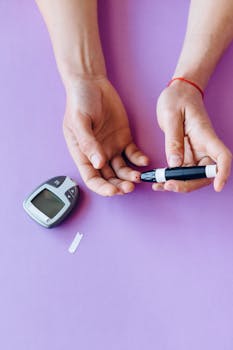
Managing diabetes effectively requires understanding various tools and resources, one of which is the insulin dosing chart. This chart serves as a crucial guide for individuals who need to administer insulin to control their blood glucose levels. Whether you’re newly diagnosed or have been living with diabetes for some time, understanding how to use this chart can empower you to manage your condition more effectively.
Understanding the Insulin Dosing Chart
Insulin dosing charts are designed to help patients manage their diabetes by providing guidance on the correct dosage of insulin for different blood sugar levels. These charts consider factors such as carbohydrate intake and current blood glucose readings to determine how much insulin is needed. The goal is to maintain blood sugar levels within a target range, minimizing the risk of both hyperglycemia and hypoglycemia.
Typically, an insulin dosing chart will have columns for different time periods (such as morning, afternoon, and evening) and rows corresponding to various blood sugar levels and carbohydrate intakes. This structured approach allows patients to adjust their insulin based on real-time data, maximizing the effectiveness of their diabetes management plan.
How to Use Your Insulin Dosing Chart Effectively
To effectively utilize an insulin dosing chart, start by familiarizing yourself with its layout. Each person’s needs may vary, so it’s important to work with a healthcare provider to personalize the chart. Here are some general tips on how to use it:
- Monitor your blood sugar regularly, especially before meals and at bedtime.
- Refer to your insulin dosing chart before administering insulin. Match your current blood sugar and expected carbohydrate intake to the chart’s recommendations.
- Keep a record of your blood sugar levels, insulin doses, and meals to identify patterns and discuss them with your doctor.
Incorporating other strategies, such as diet and exercise, can further enhance management strategies. For more in-depth options for managing diabetes-related weight, read our article on the best options to treat obesity.
Factors Influencing Insulin Dosage
Several factors can influence how your body processes insulin and, subsequently, how much you need to administer:
- Carbohydrate Intake: Meals high in carbohydrates will require more insulin to manage blood sugar levels effectively.
- Physical Activity: Exercise can lower blood glucose levels, sometimes necessitating adjustments to insulin dosage.
- Illness and Stress: Conditions that cause stress to the body can increase blood sugar levels, potentially requiring higher doses of insulin.
These variables make it vital to consistently update your dosing strategies in consultation with your healthcare provider. This proactive approach can help maintain more stable blood glucose levels over time.
Adapting the Insulin Dosing Chart to Your Needs
As no two patients have the same requirements, adapting the insulin dosing chart is crucial. It’s advisable to have regular consultations with healthcare providers to ensure your chart reflects any changes in your condition or lifestyle. Keeping your chart updated allows for accurate insulin dosing, thereby improving your overall diabetes management.
For comprehensive reading on broader health, government sources like the health page on Wikipedia provide a foundational overview.
Common Mistakes to Avoid
While the insulin dosing chart is a valuable tool, there are common pitfalls that many encounter. Being aware of these can help you avoid them:
- Ignoring other medications: Be aware of how other medications you’re taking might affect your insulin needs.
- Misreading the chart: Always double-check your readings and recommended dosage to avoid errors.
- Infrequent updates: Regularly update your chart with your healthcare provider to reflect any changes in your routine or health status.
Maintaining good communication with your healthcare team is paramount to using your insulin dosing chart safely and effectively.
Concluding Thoughts on the Insulin Dosing Chart
The insulin dosing chart is an essential component in the toolkit of someone managing diabetes. By understanding how to effectively use this tool, and by maintaining an open dialogue with healthcare providers, you can achieve better blood glucose control. Consistently working to optimize your insulin dosing will improve your overall quality of life.
- The insulin dosing chart helps manage blood sugar levels effectively.
- Personalization and regular updates are key for accurate dosing.
- Consult with healthcare providers to adapt your chart to changing needs.
- Consider diet and exercise in your overall diabetes management plan.
- Understand factors influencing insulin needs such as diet, activity, and health status.
FAQ
What is an insulin dosing chart?
An insulin dosing chart is a structured guide that assists individuals in determining the appropriate insulin dosage based on current blood sugar levels and carbohydrate intake.
How often should the insulin dosing chart be updated?
It’s advisable to update the insulin dosing chart regularly, especially when there are changes in lifestyle, health condition, or carbohydrate counting needs. Always consult with your healthcare provider for updates.
Can the insulin dosing chart prevent low blood sugar?
While the chart is designed to help maintain blood sugar levels within a target range, close monitoring and adjustments are still necessary to reduce the risk of hypoglycemia.
What should I do if my blood sugar levels are consistently high or low?
If you notice consistent patterns of high or low blood sugar, consult your healthcare provider to adjust your insulin dosing chart and review other elements of your diabetes management plan.
Are there alternative methods to manage insulin dosing?
Some individuals may benefit from technology like insulin pumps or continuous glucose monitors, which can offer more precise control over insulin administration. Discuss these options with your healthcare provider to determine what best meets your needs.
Other Articles You May Find of Interest...
- Diabetes Complications That Sneak Up: Protecting Nerves and Kidneys
- Why Home Blood Pressure Readings Are Often Wrong — and How to Fix Them
- Are Congestive Heart Failure and a Heart Attack the Same?
- A Blood Pressure of 178/109 Needs Prompt Attention
- Can High Blood Pressure Make Your Face Red?
- Is a Nuclear Stress Test Safe?
- Echocardiography in Dubai: What an Echo Shows, the Different Types and How to Prepare





