






More Beauty Skin Care & Gorgeous Smiles Articles
Can Whitening Toothpaste Really Whiten Your Teeth?
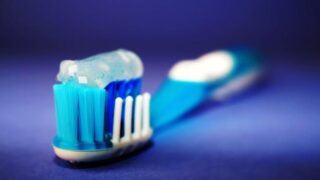
When it comes to achieving a brighter smile, many people turn to whitening toothpaste. But, does whitening toothpaste work? This question is often asked by individuals looking for effective and easy solutions to enhance their oral aesthetics. Whitening toothpaste is widely marketed as a convenient way to whiten teeth with toothpaste from the comfort of your home, but understanding how it works and its effectiveness can help set realistic expectations.
How Does Whitening Toothpaste Work?
Whitening toothpaste works by using mild abrasives to remove surface stains from teeth. These visible stains often result from consuming foods, beverages like coffee and tea, or tobacco use. Some formulations also contain special chemicals or polishing agents that aid in breaking down or dissolving stains. Moreover, certain whitening toothpastes incorporate low concentrations of hydrogen peroxide or carbamide peroxide, which may help to brighten teeth over time.
It’s important to recognize that the effectiveness of whitening toothpaste is limited to surface stains. Unlike in-office dental whitening treatments, which penetrate deeper layers of the tooth, toothpaste is not designed to alter the intrinsic color of teeth. However, continuous use may help maintain a brighter smile and prevent the reoccurrence of new stains.
What Ingredients Are Typically Found in Whitening Toothpastes?
Whitening toothpastes generally contain several key ingredients designed to remove stains and whiten teeth. Common substances include:
- Abrasives: Such as silica or calcium carbonate, help in scrubbing away stains on the surface of the teeth.
- Bleaching Agents: Ingredients like hydrogen peroxide or carbamide peroxide, although in much lower concentrations than those used by dentists.
- Enzymes: Though less common, some toothpastes use enzymes to disrupt the formation of stains.
- Fluoride: An essential component for enamel strength and cavity prevention.
Each ingredient plays a specific role in enhancing the overall whitening effect of the toothpaste, so consumers should read labels to choose a product that aligns with their goals and sensitivities.
Factors That Influence the Effectiveness of Whitening Toothpaste
Several factors can influence how well a whitening toothpaste performs. The initial condition of one’s teeth, the type and duration of stains, and the consistency of toothpaste use all play roles in determining results. For instance, individuals with heavy stains or discoloration might find that toothpaste alone might not provide significant whitening results compared to professional treatments.
Consistency is key. Using whitening toothpaste as directed—usually twice daily for at least 6 weeks—can lead to noticeable improvements. Complementing this with regular dental check-ups will support overall dental health. Alongside using toothpaste, lifestyle changes such as reducing the intake of staining foods or quitting smoking can prevent further discoloration and maintain results.
Are There Any Risks or Side Effects?
While generally safe to use, whitening toothpastes can sometimes cause side effects. These might include increased tooth sensitivity or gum irritation, which usually occurs due to abrasive elements or bleaching ingredients. This sensitivity is typically temporary, but individuals with sensitive teeth might prefer toothpastes that are gentle on enamel or free from peroxides.
It’s a good practice to consult with a dentist before beginning any whitening regimen, especially for individuals with existing dental issues or those concerned about potential side effects.
The Verdict: Does Whitening Toothpaste Work?
In conclusion, does whitening toothpaste work? Yes, but with certain limitations. For those looking to lighten minor surface stains and maintain their current tooth shade, whitening toothpaste can be a valuable part of an oral hygiene routine. However, individuals seeking more dramatic results should explore other options, such as professional whitening treatments.
To learn more about taking care of your body and achieving optimal health, you can explore effective approaches to weight loss.
For more comprehensive information about dental health and hygiene from authoritative sources, you can visit this external resource.
- Whitening toothpaste primarily targets surface stains through abrasives and mild bleaching agents.
- Consistency and proper use enhance the effectiveness of these products.
- Minor side effects like tooth sensitivity are possible.
- Professional consultation is advised for those with dental concerns.
- For long-lasting results, consider combining toothpaste use with lifestyle changes.
Are whitening toothpastes safe for daily use?
Yes, most whitening toothpastes are safe for daily use. However, it is essential to follow product instructions and consult with a dentist if there’s any concern about sensitivity or specific dental needs.
Can I use whitening toothpaste if I have sensitive teeth?
If you have sensitive teeth, opt for a whitening toothpaste specially formulated for sensitivity. These versions often contain lower levels of abrasives and desensitizing ingredients.
Will whitening toothpaste work on dental restorations?
Whitening toothpaste is not effective on dental restorations such as crowns, veneers, or fillings. These materials do not respond to whitening agents like natural teeth do.
How long does it take to see results from whitening toothpaste?
The time to see results can vary, but generally, with consistent twice-daily use, you’ll notice improvement within 6 to 8 weeks. The effects are subtle compared to professional treatments.
What other options exist if whitening toothpaste is not effective for me?
If your staining or discoloration is severe, consider professional treatments like in-office bleaching, whitening strips, or trays that offer more significant whitening effects.
Other Articles You May Find of Interest...
- The Shift in How Women Approach Aging — And What It Means for Cosmetic Surgery in Toronto
- Exploring Light-Based Options for Skin Radiance
- Discover the Benefits of Qbrexza Wipes for Managing Excessive Sweating
- How Chlorine in Shower Water is Secretly Damaging Your Skin Barrier
- Why Dermatology Is an Essential Part of Overall Health and Wellness
- Essential Sunscreen Tips for Safe Laser Hair Removal
- The Science Behind LED Light Therapy: How Red, Blue and Near-Infrared Light Support Skin Health



