






More Allergy, Asthma & Infectious Disease Articles
What Causes Atelectasis in the Lungs and How Can It Be Treated?
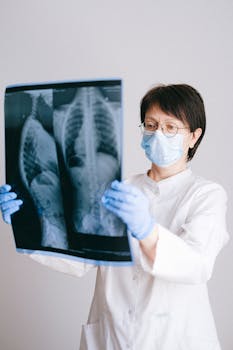
Understanding the medical condition atelectasis lung is critical for those experiencing symptoms related to lung collapse. This condition involves the partial or complete collapse of a part of the lung, often leading to breathing difficulties and reduced oxygen levels in the body. While atelectasis can range from mild, fleeting cases to more severe instances, identifying its causes and exploring effective treatments are key steps toward recovery and improving lung health.
What Causes Atelectasis in the Lungs?
Atelectasis may occur due to a variety of factors. Frequently, it’s a complication following surgery, where anesthesia changes the normal breathing pattern and affects the exchange of oxygen. Other common causes include mucus plugs in the airways, foreign bodies, or conditions like chronic obstructive pulmonary disease (COPD) that suppress deep breathing. In children, inhalation of a foreign object is a more frequent trigger.
Moreover, certain medical conditions, such as cystic fibrosis, asthma, and severe infections, can lead to atelectasis by obstructing airflow. Sometimes, prolonged bed rest, especially in individuals with pre-existing respiratory issues, might result in mild bibasilar atelectasis, where the bases of both lungs collapse slightly.
Treatment Options for Atelectasis
Treating atelectasis lung largely depends on the underlying cause. Often, improving deep breathing techniques and physical therapy exercises are initial steps. Methods such as incentive spirometry encourage deep inhalations, while postural drainage and percussion therapy help clear secretions from the lungs.
If a blockage such as a mucus plug is the source, removing it through procedures like bronchoscopy may be necessary. Likewise, if the condition stems from fluid around the lungs, draining this fluid might be critical. In some cases, addressing the root cause, such as treating infections or managing chronic conditions, plays an essential role in atelectasis treatment.
Preventing Atelectasis
Engaging in regular exercises that promote lung expansion and strength is beneficial. Post-surgical patients can reduce risk by following breathing exercises and mobilization protocols. Avoiding lying flat and encouraging use of devices like spirometers can be effective strategies.
Moreover, adhering to treatment plans for chronic respiratory conditions is crucial. Ensuring any inhaled objects are quickly addressed, and regular medical check-ups can prevent potential causes of atelectasis.
Complementary and Integrative Approaches
In recent years, complementary and integrative healthcare approaches are considered in the management of atelectasis. These may include yoga and meditation to enhance breathing control and reduce stress-related impacts on the respiratory system. For more insights, you might explore this article on holistic versus traditional medicine.
While alternative methods may provide supplementary benefits, they should not replace medical treatments but be viewed as supportive. It’s always important to discuss these options with healthcare providers.
Understanding Atelectasis Lung
To summarize, atelectasis lung is a potentially serious condition requiring timely diagnosis and appropriate management. Recognizing symptoms early and understanding the array of potential causes can expedite treatment and recovery. If you suspect you or a loved one may have symptoms indicative of lung collapse, contacting a healthcare provider is essential for tailored advice and testing.
For more technical information, you may find the resource from Wikipedia helpful.
- Atelectasis involves the collapse of part or all of a lung.
- Surgery, blocked airways, and certain medical conditions are common causes.
- Treatment options include physical therapy, procedures, and addressing underlying issues.
- Prevention includes deep breathing exercises and managing chronic conditions.
- Complementary therapies can be supportive but not a substitute for medical care.
What are the symptoms of atelectasis?
Atelectasis symptoms can include difficulty breathing, rapid shallow breathing, cough, and low oxygen levels. Some cases may be asymptomatic, especially when mild.
Is atelectasis a serious condition?
While some cases of atelectasis, such as mild bibasilar atelectasis, might resolve naturally, others could result in serious complications if left untreated, emphasizing the importance of medical evaluation.
How is atelectasis diagnosed?
Medical professionals typically diagnose atelectasis using chest X-rays, CT scans, and physical examinations. They may also use bronchoscopy to examine the airways if needed.
Can children develop atelectasis?
Yes, children can develop atelectasis, often due to airway obstructions like inhaled objects or respiratory infections. It’s crucial to seek immediate medical attention if atelectasis is suspected in a child.
Can atelectasis be prevented?
Preventative measures include respiratory exercises, following surgical recovery protocols, managing chronic conditions, and avoiding prolonged immobility. Regular check-ups can help detect and address risk factors early.
Other Articles You May Find of Interest...
- How to Keep Pollen Out of Your Home: Choosing an Air Purifier for Pollen
- When Should Your Child See a Pediatric Allergist? A Three-Trigger Test
- Candida sp. rRNA Results: What Molecular Testing Detects
- Ant Bites or Poison Ivy? How the Rashes Differ
- Can Stress Cause Cold Sores on the Lips?
- Gram-Positive Rods in a Blood Culture: Contamination or Infection?
- Can Head Lice Get Into Your Ears?





