






More Everyday Living Articles
Exploring Occupational Therapy and the Role of Occupational Therapists
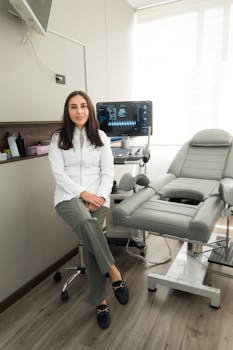
Occupational therapy is a client-centered health profession that focuses on promoting the health and well-being of people through occupation. But what is occupational therapy exactly? It’s a form of therapy that assists individuals in developing or recovering the skills needed for daily living and working. This can include anything from helping children with disabilities to participate fully in school and social situations to supporting older adults experiencing physical and cognitive changes.
What is Occupational Therapy?
Occupational therapy is a holistic approach designed to help individuals achieve the highest level of independence and daily life functioning possible. It assesses and adapts a person’s environment to meet their unique needs and preferences, thereby enhancing their ability to participate in everyday activities. The therapists focus on both physical and mental health, ensuring that patients receive comprehensive care tailored to their specific situations.
The Role of Occupational Therapists
So, what do occupational therapists do? These skilled professionals work with clients to identify barriers to performing daily tasks, such as dressing, cooking, or working, and create a plan to address these challenges. They provide practical support, from teaching new techniques to suggesting adaptations in the home or workplace. Occupational therapists are trained to work with people across the lifespan and can be found in settings such as hospitals, schools, and rehabilitation centers.
Therapeutic Approaches and Techniques
Occupational therapists utilize a range of therapeutic approaches to meet the diverse needs of their clients. They may use adaptive equipment, recommend environmental modifications, or engage clients in activities that improve motor skills, build strength, and enhance cognitive function. This holistic treatment aims to improve the overall quality of life by enhancing a person’s ability to carry out daily activities independently.
Common Populations Served
Occupational therapy caters to a wide variety of populations, including:
- Children and Youth: Helping with developmental disorders like autism, sensory processing issues, and physical disabilities.
- Adults: Supporting individuals with mental health conditions, injuries, or illnesses to return to work or manage their daily routines more effectively.
- Older Adults: Assisting with age-related changes, chronic health issues, and promoting aging in place.
The Impact of Occupational Therapy on Lifestyle
By addressing the physical and mental health needs of clients, occupational therapy significantly impacts lifestyle and well-being. It helps individuals engage in meaningful activities, leading to increased independence and a better quality of life. For anyone looking to enhance their daily living skills, from couch to active small steps to a more active lifestyle can also be supported by techniques used in occupational therapy.
For further information on the scope and practice of occupational therapy, you can refer to this detailed resource by the World Health Organization’s health overview.
Occupational therapy remains a vital part of the healthcare system, focusing not only on physical ailments but also on improving cognitive and emotional well-being. Through personalized intervention plans, occupational therapists play a crucial role in the rehabilitation process across various demographics.
Conclusion
By understanding what is occupational therapy, we recognize the significant contributions of occupational therapists in enhancing individuals’ quality of life. Their client-focused approach ensures that interventions are tailored to meet each person’s unique needs, promoting greater independence and overall well-being.
- Occupational therapy helps individuals of all ages to live life to its fullest by enabling them to promote health and prevent—or live better with—illness, injury, or disability.
- Occupational therapists work in diverse settings and specialize in various areas, like children’s health, mental health, and rehabilitation.
- This therapy focuses not only on improved function but also on increasing an individual’s quality of life and personal satisfaction.
- Therapists utilize a variety of therapeutic techniques and approaches tailored to the individual’s specific needs.
- It’s a collaborative process between therapist and client, often involving family members to support goal-setting and achievement.
FAQ
What is the main goal of occupational therapy?
The primary aim of occupational therapy is to help individuals achieve optimal functionality and independence in their daily lives, allowing them to participate in meaningful activities.
Who can benefit from occupational therapy?
Occupational therapy is beneficial for people of all ages who are dealing with physical, mental, or developmental conditions that affect their ability to perform daily tasks.
What are some common tools used by occupational therapists?
Occupational therapists may use adaptive equipment like specialized utensils, walkers, or cognitive training tools to help clients overcome challenges.
How do occupational therapists work with children?
With children, occupational therapists might focus on improving fine motor skills, sensory processing, or social interactions to assist them in succeeding at school and home.
How is occupational therapy different from physical therapy?
While both aim to enhance a client’s quality of life, occupational therapy focuses on improving the ability to perform daily activities, whereas physical therapy primarily targets physical movement and mobility.
Other Articles You May Find of Interest...
- Decoding the DCCV Medical Abbreviation for Better Health Awareness
- Unlocking the Secrets of VFSS for Optimal Health
- Exploring the Health Benefits of Klayesta for a Better You
- Exploring the Impact of VQ Mismatch on Health and Well-Being
- Unlocking the Power of California Rocket Fuel for Enhanced Health and Performance
- Unlocking the Mysteries of IST: What You Need to Know
- Unlocking the Power of Make It Blocks for Effective Health Education



