More Dental Health Articles
Can Soaking Your Toothbrush in Xylitol Improve Oral Health?
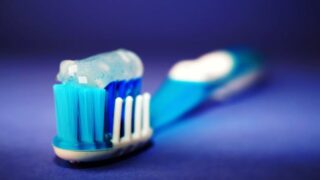
There’s growing interest in the potential oral health benefits of using xylitol, a natural sugar substitute commonly found in sugar-free gums and mints. Among its many uses, people are exploring whether soaking your toothbrush in xylitol might bring added benefits to your oral hygiene routine. This article delves into the science behind xylitol and its implications for dental health, focusing on the primary question: can soaking your toothbrush in xylitol improve your oral health?
Benefits of Soaking Toothbrush in Xylitol
Xylitol is a sugar alcohol derived from plants, which is known for its ability to promote oral health. One of the most significant advantages of xylitol is its capacity to inhibit the growth of harmful bacteria in the mouth. Unlike regular sugar, xylitol is not metabolized by these bacteria, effectively diminishing their ability to produce acid which can lead to tooth decay.
Soaking your toothbrush in a xylitol solution could help integrate these benefits into your daily brushing routine. The process involves dissolving xylitol in water to create a soak for your toothbrush. When used regularly, this practice might enhance the antimicrobial environment around the gums and teeth, potentially reducing cavities and improving overall oral hygiene.
How to Soak Your Toothbrush in Xylitol
If you’re considering soaking your toothbrush in xylitol, here’s a simple method:
- Mix one teaspoon of xylitol in a cup of warm water until fully dissolved.
- Submerge the bristles of your toothbrush in the xylitol solution.
- Allow the toothbrush to soak for a few minutes before each use.
- Rinse the toothbrush thoroughly under running water before proceeding with your regular brushing routine.
It’s important to maintain good toothbrush hygiene, irrespective of the soaking method you choose. Replace your toothbrush every three to four months or sooner if the bristles appear worn.
Scientific Support for Xylitol
Xylitol has been extensively studied for its oral health benefits. Research indicates that regular consumption of xylitol can reduce the levels of Streptococcus mutans, a bacteria significantly responsible for tooth decay. According to the National Institute of Dental and Craniofacial Research, xylitol enhances the remineralization of enamel, further contributing to its protective benefits.
However, it is crucial to acknowledge that while xylitol’s role in preventing dental caries is well-supported, further research is necessary to confirm whether soaking a toothbrush in xylitol specifically enhances these benefits.
Considerations and Safety
When incorporating xylitol into your oral hygiene routine, it is essential to be mindful of its use. Although xylitol is considered safe for consumption in moderate amounts, excessive intake can lead to digestive discomfort. In most cases, using xylitol in your toothbrush soak should not pose a problem, but it is always wise to err on the side of caution.
Furthermore, xylitol is toxic to pets, particularly dogs. Ensure that xylitol and xylitol-infused products are kept out of reach of animals to prevent accidental ingestion.
Integrating Xylitol with Other Oral Health Practices
For optimal oral health, consider combining xylitol use with other dental care practices. This includes regular brushing with fluoride toothpaste, flossing, and scheduling bi-annual dental check-ups. Additionally, maintaining a balanced diet is essential for overall health, as highlighted in our article on the importance of a high-protein diet for weight loss, which also supports oral health.
The potential benefits of soaking your toothbrush in xylitol ultimately lie in its combination with comprehensive oral care habits. While xylitol is a valuable addition, it is not a substitute for these essential practices.
Conclusion
Soaking your toothbrush in xylitol offers a promising, though not yet conclusively proven, method for enhancing oral health. The practice aligns with ongoing research efforts into the benefits of xylitol in reducing harmful oral bacteria and promoting dental health. As you consider whether to soak your toothbrush in xylitol, remember to couple it with other proven oral hygiene practices for the best results.
- Xylitol is recognized for its ability to reduce harmful bacteria in the mouth.
- Soaking toothbrushes in a xylitol solution is a simple procedure.
- More research is needed to verify the specific benefits of this practice.
- Maintain overall oral hygiene routines for optimal dental health.
- Consult a dental professional for personalized advice.
Can soaking a toothbrush in xylitol really prevent cavities?
While xylitol is known to inhibit bacteria that cause cavities, there is not enough research to conclusively prove that soaking a toothbrush in xylitol directly prevents dental caries. This should be part of holistic oral care.
Is it safe to use xylitol every day for oral hygiene?
Xylitol is generally safe for everyday use in moderate amounts. However, excessive consumption could cause digestive distress. Toothbrush soaks typically use small amounts, posing minimal risk.
Can xylitol be harmful to pets?
Yes, xylitol is toxic to pets, especially dogs. Always ensure that xylitol products are inaccessible to animals to prevent accidental ingestion.
How does xylitol compare to fluoride for oral health?
While both xylitol and fluoride help prevent tooth decay, they do so in different ways. Xylitol reduces bacteria, while fluoride strengthens enamel. They can be complementary in a dental care regimen.
Where can I learn more about xylitol?
For more detailed information about xylitol and its health implications, you can visit this resource on oral health.
Other Articles You May Find of Interest...
- TMJ Disorders
- The Sudden Nighttime Toothache: How to Get Through the Night When You Can’t Sleep
- What to Do If You Lose a Filling at Dinner: A Quick 3-Step Survival Guide
- How to Get Rid of a Tooth Abscess Without Going to the Dentist
- Receding Gums and Enamel Loss: What’s Really Going On?
- Benefits of an Ultrasonic Retainer Cleaner for Older Adults: The Role of an Ultrasonic Denture Cleaner