More Gastroenterology Articles
Healing Through Nutrition: Your 7-Day Meal Plan for Ulcers
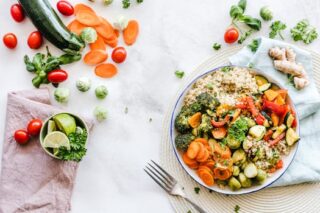
If you’re looking to improve your well-being through diet, a 7-day meal plan for ulcers can offer great relief. Ulcers, which are painful sores that can develop in the stomach lining, esophagus, or small intestine, often require dietary adjustments to manage symptoms and promote healing. A thoughtful meal plan can help support the healing process, reducing discomfort and supporting overall digestive health.
Designing a 7-Day Meal Plan for Ulcers
Creating a meal plan designed for ulcers requires integrating foods that are less likely to irritate the stomach lining. The goal is to include easily digestible foods and avoid those that can exacerbate symptoms. Here’s a framework you can follow to develop a 7-day meal plan for ulcers that may help nurture your digestive system.
Day 1: Start with Gentle Foods
- Breakfast: Oatmeal with sliced bananas.
- Lunch: Grilled chicken breast with steamed carrots and green beans.
- Dinner: Baked salmon with sweet potatoes and a side of applesauce.
- Focus on sipping water throughout the day, avoiding caffeine and carbonated drinks.
Day 2: Lean Proteins and Soothing Staples
- Breakfast: Scrambled eggs with spinach.
- Lunch: Quinoa salad with avocado and grilled zucchini.
- Dinner: Turkey meatloaf with mashed potatoes and steamed broccoli.
- Snack on yogurt or a handful of almonds for an additional boost of nutrients.
Day 3: Nutritious and Simple Meals
- Breakfast: Whole grain toast with a thin layer of honey.
- Lunch: Roasted vegetable soup with a side of whole-grain crackers.
- Dinner: Stir-fried tofu with bok choy and brown rice.
- Consider incorporating herbal teas like chamomile which may promote relaxation.
Day 4: Gentle Variety
- Breakfast: Smoothie made with Greek yogurt, blueberries, and kale.
- Lunch: Chickpea salad with tomatoes and cucumbers.
- Dinner: Grilled cod with steamed asparagus and a baked potato.
- Choose soft fruits like peaches or pears for dessert.
Day 5: Balanced and Easy-to-Digest
- Breakfast: Rice pudding made with low-fat milk.
- Lunch: Lentil soup and a small whole-wheat pita.
- Dinner: Roasted chicken thighs with quinoa and sautéed spinach.
- Hydrate regularly, and consider drinking aloe vera juice, which some studies suggest may help stomach ailments.
Day 6: Nutrient-Rich and Gentle on the Stomach
- Breakfast: Scrambled egg whites with tomatoes and fresh herbs.
- Lunch: Pasta with olive oil, basil, and cherry tomatoes.
- Dinner: Beef stew with carrots, potatoes, and onions.
- Enjoy a dessert of creamy rice pudding without spices.
Day 7: A Day for Comfort and Digestive Health
- Breakfast: Whole grain cereal with slices of fresh strawberries.
- Lunch: Poached chicken salad with mixed greens and olive oil dressing.
- Dinner: Tilapia with mashed sweet potatoes and sautéed zucchini.
- Conclude the day with chamomile tea to help soothe the digestive tract.
Adapting existing recipes can be a straightforward way to fit them into your 7-day meal plan for ulcers, ensuring they’re enjoyable without irritating your digestive system. Always consult a healthcare professional to tailor these suggestions to your specific health needs.
For more insights into tailored nutrition and safe dietary adjustments, you can read about safe and effective approaches to weight management in our comprehensive guide.
- Maintain hydration with non-caffeinated drinks.
- Avoid spicy, acidic, or fried foods.
- Include lean proteins and complex carbohydrates.
- Consult a healthcare provider for personalized advice.
- Consider herbal teas like chamomile for digestive relief.
Frequently Asked Questions
Can specific foods heal ulcers?
While no food can cure ulcers, certain foods like those rich in probiotics or flavonoids may support the healing process by reducing symptoms and promoting gut health.
Are there foods I should permanently avoid if I have ulcers?
Foods that are spicy, acidic, or high in fat may exacerbate ulcer symptoms, so it’s best to limit or avoid them as part of your long-term diet strategy.
How do fluids fit into an ulcer-friendly diet?
Staying well-hydrated is critical. Opt for water and non-caffeinated, non-carbonated beverages to prevent irritation of the ulcer.
Is it necessary to take supplements for ulcer management?
Supplements may be helpful but should be used with caution and ideally under the guidance of a healthcare professional, as some may interact with other treatments.
Where can I find more information about ulcers?
For further reading on ulcers and their management, you can visit Wikipedia’s article on peptic ulcer disease for comprehensive details.
Other Articles You May Find of Interest...
- Why You Get Stomach Bloating and Gas After Eating Meat
- Why Does Chick-fil-A Make My Stomach Hurt?
- Dr. Omar Marar on the Evolution of Modern Colorectal Surgery
- Pain Where Your Appendix Was Removed Years Ago: Possible Causes
- Why Multi-Strain Probiotics May Offer Broader Digestive Support
- What a Healthy Colon Looks Like During Colonoscopy
- A Better Digestive Rhythm: Everyday Habits for Preventing Occasional Constipation