






More Beauty Skin Care & Gorgeous Smiles Articles
Can Salicylic Acid Effectively Reduce Acne Scars?
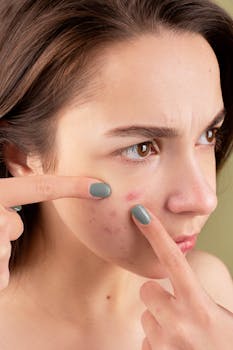
Acne scars can be a persistent reminder of past breakouts, and many individuals seek effective treatments to diminish their appearance. Among various skin care ingredients, salicylic acid often emerges in discussions. But does salicylic acid help with acne scars? Salicylic acid is a popular beta hydroxy acid (BHA) that penetrates the skin, providing exfoliation and promoting cell turnover. Let’s explore how it can play a role in addressing acne scars.
How Does Salicylic Acid Help with Acne Scars?
Salicylic acid is renowned for its ability to penetrate deep into the skin’s pores, dissolving debris and exfoliating dead skin cells. This property not only aids in managing active acne but also helps improve the texture and tone of skin affected by acne scars. By fostering a smoother skin surface and lightening hyperpigmented areas, salicylic acid can gradually reduce the visibility of scars.
Additionally, its anti-inflammatory properties may help reduce the redness and irritation often associated with scarred skin. While results may vary depending on scar type and skin condition, consistent use of salicylic acid in a skin care routine may lead to visible improvements over time.
Incorporating Salicylic Acid Into Your Routine
A variety of over-the-counter products such as cleansers, masks, and spot treatments contain salicylic acid. When selecting a product, it’s important to consider your overall skin care routine to avoid over-exfoliating the skin. Combining salicylic acid with a moisturizer can help maintain skin hydration and prevent dryness.
If you’re new to using salicylic acid, start with a product containing a lower concentration and gradually increase use as your skin builds tolerance. As always, wearing sunscreen is crucial since exfoliating agents like salicylic acid can increase skin sensitivity to sunlight.
Potential Side Effects
While salicylic acid can be beneficial, it’s essential to be aware of potential side effects such as dryness, peeling, and irritation, especially for those with sensitive skin. Patch testing a new product can minimize unwanted reactions. If uncertain, consulting a dermatologist can provide personalized guidance tailored to your skin type.
Alternative Treatments for Acne Scars
Beyond salicylic acid, numerous treatments may help improve the appearance of acne scars. Options include chemical peels, microdermabrasion, laser therapy, and microneedling. Each treatment has unique benefits and potential drawbacks, making it crucial to consult a skin care specialist to determine the most suitable approach.
Incorporating healthy lifestyle habits, such as a balanced diet and adequate hydration, can further support skin health. Consider reviewing our tips for smart supplement usage to enhance overall skincare and well-being.
Consulting a Professional
Before beginning any intensive skin treatment, seeking professional advice is beneficial. A dermatologist can assess your skin’s condition, provide tailored recommendations, and monitor progress. This approach ensures effective and safe management of acne scars.
Conclusion: Does Salicylic Acid Help with Acne Scars?
In summary, salicylic acid holds promise for those looking to manage acne scars. While results vary, incorporating it into a well-rounded skincare routine may lead to improvements. Consistency, combined with professional guidance, offers the best chance of success. It’s advisable to consult a dermatologist to determine if salicylic acid, among other treatments, is suitable for reducing your acne scars. For more comprehensive insights on skin health, visit this resource on skin care.
- Salicylic acid helps exfoliate and smooth skin.
- Start with low concentrations and patch test to prevent irritation.
- Sun protection is crucial when using salicylic acid.
- Explore alternative treatments and consult a dermatologist for personalized advice.
- Combine with healthy lifestyle habits for optimal skin health.
FAQs
Is salicylic acid effective for all types of acne scars?
Salicylic acid may not be effective for all scar types, such as deep atrophic scars, which often require professional treatments. It is more beneficial for superficial discolorations and texture irregularities.
How long does it take to see results from salicylic acid?
Visible improvements from salicylic acid can take several weeks to months, depending on routine consistency and skin type. Patience and regular use are key components of successful treatment.
Can salicylic acid be used every day?
Frequency depends on skin type and product formulation. Generally, it is advisable to start every other day and adjust based on skin tolerance. Follow product-specific recommendations and consult a dermatologist if needed.
What should I avoid when using salicylic acid?
To prevent over-exfoliation, avoid combining salicylic acid with other strong exfoliants or retinoids. Avoiding sun exposure or using adequate sun protection is also important as sensitivity to sunlight can increase.
Do I need a prescription to obtain salicylic acid products?
Most salicylic acid products are available over-the-counter, though a dermatologist can provide prescription-strength options if necessary. Always confirm any product’s suitability for your skin type before use.
Other Articles You May Find of Interest...
- Benefits of Red Light Therapy for Skin and Pain Relief
- Questions to Ask Before Any Cosmetic Treatment
- The Rise of Mommy Makeover Surgery in Beverly Hills: What Patients Should Know Before Choosing a Surgeon
- A Patient’s Guide to Setting Realistic Expectations for Cosmetic Surgery
- Chemical Peels, Microneedling, and Lasers: How to Choose the Right Resurfacing Treatment for Your Skin
- Not All Halal Collagen Powders Are the Same




