






More Beauty Skin Care & Gorgeous Smiles Articles
Effective Remedies for Dry Skin and Nipple Discomfort
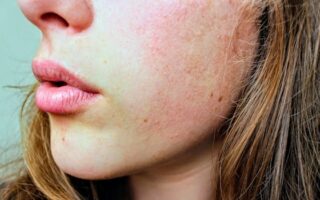
Dealing with dry skin can be an uncomfortable experience, especially when it affects sensitive areas like the nipple. The skin around the nipple is delicate and prone to dryness, which can result in discomfort or even pain. It’s crucial to understand the causes and remedies for dry skin on the nipple to alleviate symptoms effectively and prevent further irritation.
Understanding Dry Skin
Dry skin, medically referred to as xerosis, occurs when the skin lacks sufficient moisture content. It can lead to flaking, itching, and cracking, which are common symptoms that can affect various parts of the body, including the nipple area. Several factors contribute to dry skin, including environmental influences, lifestyle choices, and underlying health conditions.
Common Causes of Dry Skin on the Nipple
The skin on the nipple can become dry due to several reasons. Harsh soaps, prolonged exposure to hot water, and friction from tight clothing can all strip the skin of its natural oils. Additionally, hormonal changes, particularly during pregnancy and breastfeeding, can alter skin moisture levels, leading to dryness.
In some cases, conditions such as eczema or psoriasis may cause dry skin on the nipple or its tip. It’s important to identify the underlying cause to manage the condition effectively. Consulting with a healthcare professional can provide clarity and guidance for appropriate treatment options.
Effective Remedies and Self-Care
There are several remedies and self-care strategies that may help alleviate dry skin on the nipple. Here are some practical tips to consider:
- Moisturize Regularly: Applying a gentle, fragrance-free moisturizer can help restore moisture to the skin. Look for products containing natural ingredients such as shea butter or aloe vera.
- Gentle Cleansing: Use mild, hypoallergenic soaps or cleansers to avoid irritating the skin. Avoid scrubbing the nipple area harshly.
- Protect the Skin: Wear loose-fitting clothing to reduce friction and allow the skin to breathe. If breastfeeding, consider using nursing pads made from soft, breathable materials.
- Stay Hydrated: Ensure adequate water intake to maintain overall skin hydration. Hydrated skin is less likely to become dry and irritated.
It is also beneficial to adopt a healthy lifestyle, including a balanced diet and adequate rest. For more information on supporting your health through nutrition, consider exploring vitamins and supplements that promote well-being.
When to Seek Medical Advice
While minor cases of dry skin on the nipple can be managed with simple home remedies, persistent dryness, redness, or cracking may require medical evaluation. It’s important not to overlook these symptoms, as they could signify a more serious condition. A healthcare provider can assess the situation and recommend appropriate treatment options, which might include medicated creams or ointments.
Exploring External Resources
For further understanding of skin health and dermatological considerations, reliable external resources can provide valuable insights. The Wikipedia page on skin offers a comprehensive overview of the structure and function of the skin, as well as common skin conditions and treatments.
In summary, addressing dry skin, particularly around sensitive areas like the nipple, involves understanding the causes and implementing effective remedies. With proper care and attention, you can alleviate discomfort and maintain healthy skin.
- Moisturizing and gentle care are key to managing dry skin.
- Identify and minimize factors that contribute to skin dryness.
- Consider medical advice if symptoms persist.
- Stay informed with credible, external health resources.
- A balanced lifestyle supports overall skin health.
FAQ
What causes dry skin on the nipple?
Dry skin on the nipple can be caused by various factors, including harsh soaps, prolonged exposure to water, friction, hormonal changes, and underlying skin conditions like eczema.
How can I prevent dryness on my nipple area?
Prevention includes moisturizing regularly with gentle products, wearing loose-fitting clothes, and avoiding harsh cleansing agents. Staying hydrated and maintaining a balanced diet also helps.
When should I see a doctor for dry skin on the nipple?
If the dryness persists, becomes painful, or shows signs of infection, it is advisable to consult a healthcare professional for assessment and treatment.
Are there natural remedies for dry skin on the nipple?
Natural remedies such as using coconut oil or shea butter as moisturizers may help alleviate dryness. Always ensure they do not irritate your skin by performing a patch test first.
Can breastfeeding contribute to dry skin on the nipple?
Yes, breastfeeding can lead to dry skin due to hormonal changes and frequent contact with saliva and milk. Using nipple creams and protective nursing pads can help manage dryness.
Other Articles You May Find of Interest...
- A Holistic Guide to Radiance and Skin Vitality
- Unlock the Secrets to Radiant Skin: The Benefits of a Yellow Facial
- The Best Plastic Surgeons in Turkey: 6 Specialists Worth Considering
- 5 Things You Must Know Before Getting Laser Hair Removal in Toronto
- Why Collagen and Hyaluronic Acid Work Better Together for Skin, Hair, Nails, and Joint Support
- Chapped Lips: Discover the Causes and Solutions for Lasting Relief
- How to Treat and Prevent Finger Zits Effectively



