






More Beauty Skin Care & Gorgeous Smiles Articles
Unlocking the Benefits of Salicylic Acid for Skin Health
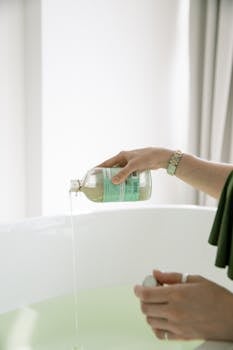
Salicylic acid is a well-known ingredient in the skincare world, celebrated for its ability to improve the health and appearance of the skin. If you’re curious about what salicylic acid is good for, you’re in the right place. This versatile beta hydroxy acid (BHA) dives deep into the skin to address a variety of common skin concerns, from acne to dullness. Understanding its benefits can help you decide whether this powerhouse ingredient should become a staple in your skincare routine.
What is Salicylic Acid Good For?
Salicylic acid is most famous for its role in combating acne. It works by penetrating the pores and breaking down the dead skin cells and sebum that often lead to breakouts. By clearing blocked pores, salicylic acid helps reduce blackheads, whiteheads, and other acne lesions. Also, it has anti-inflammatory properties, which can soothe the redness and inflammation associated with acne.
Beyond acne, salicylic acid is revered for its exfoliating abilities. It gently smooths the skin by removing dead skin cells, revealing a brighter and more even complexion. For those with oily skin, salicylic acid’s ability to decrease oil production can be particularly beneficial.
For more information on enhancing skin health, you may want to explore topics like what vitamins are good for brain fog and memory.
How Does Salicylic Acid Work?
Salicylic acid targets the skin’s outermost layer, promoting the shedding of its dead skin cells while also cleaning out impurities in the pores. This process prevents clogging and allows healthier skin cells to rise to the surface, improving texture and tone. Its keratolytic properties make it particularly useful for those battling keratosis pilaris or psoriasis by softening and loosening dry or thickened skin.
Incorporating Salicylic Acid Into Your Routine
For optimal results, salicylic acid is best used in conjunction with a consistent skincare regimen. It can be found in a variety of products, such as cleansers, toners, and spot treatments. When adding salicylic acid to your routine, it’s important to start slowly to gauge how your skin reacts. Those new to BHAs might begin with a lower concentration to prevent irritation or dryness.
However, it’s crucial not to overuse products containing salicylic acid, especially if you have sensitive skin. Overuse can lead to skin irritation and dryness. It’s often recommended to balance salicylic acid use with a good moisturizer to maintain skin hydration.
Potential Side Effects and Precautions
Like all skincare products, salicylic acid can have side effects. Common issues include dryness, peeling, and mild irritation. To minimize these risks, consider applying it every other day or every few nights, allowing your skin to build tolerance.
If you experience significant discomfort or irritation, it’s advisable to discontinue use and consult a dermatologist. Those who are pregnant or have specific skin conditions should also seek professional advice before starting salicylic acid treatments.
Maximizing the Benefits of Salicylic Acid
To leverage the full benefits of salicylic acid, it’s beneficial to maintain a well-rounded skincare routine. Combining salicylic acid with hydrating and nourishing products can enhance its effectiveness. Additionally, incorporating protective measures such as using a high SPF sunscreen during the day is essential. As salicylic acid can make the skin more sensitive to sunlight, sunscreen helps to protect against UV damage.
Moreover, adopting a healthy lifestyle, including a balanced diet and adequate hydration, supports skin health from within. For further insight into skin care and overall wellness, the U.S. National Library of Medicine provides extensive resources on skin care routines and ingredient safety. For a more detailed exploration, visit Salicylic Acid on Wikipedia.
Ultimately, understanding what salicylic acid is good for can transform your approach to skin care, making way for clearer, healthier skin.
- Salicylic acid is effective at treating acne and exfoliating the skin.
- It can help reduce oil production, making it ideal for those with oily skin.
- Potential side effects include dryness and irritation, so gradual introduction is key.
- Always pair salicylic acid use with sunscreen to protect sensitive skin.
- Consult a dermatologist if you have concerns or specific skin conditions.
What skin types benefit most from salicylic acid?
Oily and acne-prone skin types benefit the most from salicylic acid, as it helps reduce excess oil and clear clogged pores. However, many with combination skin can also see improvements.
Can I use salicylic acid daily?
It depends on your skin’s tolerance. Some people can use salicylic acid daily, while others may experience irritation. It’s often best to start with every other day and adjust as needed based on your skin’s response.
What should I avoid when using salicylic acid?
You should avoid using other strong exfoliants or acne treatments simultaneously, as this can increase irritation. Also, keep your skin hydrated and protected from the sun with a broad-spectrum sunscreen.
Is salicylic acid safe for sensitive skin?
Salicylic acid can be used on sensitive skin but requires careful monitoring. It’s advisable to start with lower concentrations and limit usage frequency until your skin builds tolerance.
Can salicylic acid help with dark spots?
Salicylic acid can aid in reducing dark spots by encouraging exfoliation and skin cell turnover. However, its effects are gradual, and it may be more effective when combined with other brightening agents under professional guidance.
Other Articles You May Find of Interest...
- Understanding Epidermal Hyperkeratosis and the Role of Ultrasonic Skin Scrubbers
- Types Of Laser Resurfacing Techniques
- Eyelid Lift in New Jersey: 4 Things to Know Before Exploring Treatment Options
- Effective Methods for Removing Moles Safely and Naturally
- Broken Capillaries on Face: Effective Solutions for Clearer Skin
- 5 Common Areas People Treat With RHA Injections for Natural-Looking Results
- The Science and Promise of Copper Peptides for Skin Health and Wellness



