More Allergy, Asthma & Infectious Disease Articles
Cold Weather Shortness: Can Cold Weather Really Cause Breathlessness?
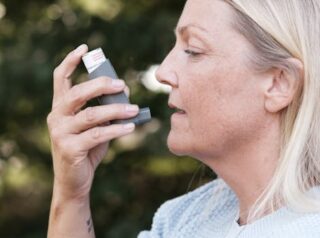
Cold weather shortness is a phenomenon that affects many individuals, particularly those with underlying respiratory conditions. As temperatures drop, some people report difficulty breathing or a sensation of breathlessness. Understanding the relationship between cold weather and shortness of breath is crucial for managing symptoms and maintaining respiratory health during colder months.
Understanding Cold Weather Shortness of Breath
Can cold weather cause shortness of breath? Cold air can indeed have an impact on the respiratory system. When inhaled, cold air can cause the airways to constrict, which may lead to sensations of tightness or breathlessness in the chest. For people with conditions such as asthma or chronic obstructive pulmonary disease (COPD), these effects may be more pronounced. The body’s response to cold can sometimes mimic or exacerbate existing breathing difficulties.
Why Does Cold Air Affect Breathing?
The effect of cold air on breathing can be attributed to several factors. Cold air is generally dry, and when breathed in, it can irritate the respiratory tract, leading to increased mucus production and airway swelling. This can contribute to the sensation of breathlessness commonly associated with cold weather and shortness of breath.
In addition to physical effects, the psychological response to cold can also play a role. The brisk, sharp sensation of cold air can trigger a feeling of anxiety or panic, which can further impact breathing patterns. For individuals already prone to anxiety or respiratory issues, this can be particularly significant.
Who Is Most Affected by Cold Weather Shortness?
Cold weather shortness is more likely to affect individuals with pre-existing respiratory conditions. Asthma sufferers may experience more frequent or severe symptoms, such as wheezing or difficulty catching their breath. Similarly, those with COPD may find that cold air exacerbates their symptoms, leading to increased use of inhalers or other medications.
Additionally, the elderly and young children are more vulnerable to the effects of cold air on the respiratory system. Their bodies may struggle to adapt to extreme temperature changes, and they may be more susceptible to triggering of respiratory issues.
Preventive Measures and Management
To combat the effects of cold weather and shortness of breath, taking preventive measures can make a significant difference. Here are a few strategies to consider:
- Wear a scarf or mask over your nose and mouth to help warm and humidify the air before it enters your lungs.
- Limit outdoor activities during extreme cold conditions, particularly if you have a known respiratory condition.
- Maintain good indoor air quality by using a humidifier to keep the air moist and comfortable.
- Adhere to any prescribed medication plans, ensuring quick and effective symptom management.
Cold Weather Shortness and Seeking Professional Help
If you experience persistent or severe shortness of breath during colder months, it is important to seek professional help. A healthcare provider can assess your symptoms and recommend appropriate interventions. This might include adjustments to your asthma or COPD management plan, or guidance on lifestyle changes to mitigate cold weather effects.
Understanding the impact of cold weather on respiratory health is key to preventing complications. Additionally, managing anxiety and stress through techniques such as breathing exercises or mindfulness practices can also be beneficial. For more comprehensive advice on overcoming challenges, read more about recovery and resilience strategies.
Cold Weather and Its Broader Impacts
Beyond respiratory issues, cold weather can influence other aspects of health. Joint pain, skin dryness, and seasonal depression are commonly associated with lower temperatures. However, with proper preparation and care, these conditions can be managed effectively. For more detailed information about health in various weather conditions, visit this comprehensive health resource.
In conclusion, recognizing cold weather shortness and its potential triggers is essential for maintaining well-being. Tailoring lifestyle choices and medical strategies to cope with the cold can empower individuals to maintain their respiratory health. Understanding these dynamics is vital, particularly for those with pre-existing respiratory conditions or vulnerabilities.
- Cold weather can cause shortness of breath by constricting airways and increasing mucus.
- Individuals with existing respiratory conditions, like asthma or COPD, are more affected.
- Preventive strategies include wearing scarves and using humidifiers.
- Consult with healthcare professionals if symptoms persist.
- Managing stress and anxiety may alleviate symptoms related to cold weather shortness.
Frequently Asked Questions
Does cold weather cause shortness of breath?
Cold weather can contribute to shortness of breath, especially in individuals with pre-existing conditions like asthma or COPD, due to constriction of airways and dryness.
How can I prevent shortness of breath in cold weather?
Wearing warm coverings over the mouth and nose, using a humidifier, and avoiding outdoor activity during low temperatures can help prevent symptoms.
Should I be worried if I experience shortness of breath only in cold weather?
While shortness of breath in cold weather is common, persistent or severe symptoms should be evaluated by a healthcare provider to rule out underlying issues.
Can lifestyle changes help manage cold weather shortness?
Yes, integrating lifestyle changes such as staying warm, managing stress, and following medical guidance can significantly mitigate symptoms.
Are there other health effects related to cold weather?
Yes, aside from respiratory issues, cold weather can lead to joint pain, dry skin, and mood changes. Proper preparation can ease these conditions.
Other Articles You May Find of Interest...
- How to Keep Pollen Out of Your Home: Choosing an Air Purifier for Pollen
- When Should Your Child See a Pediatric Allergist? A Three-Trigger Test
- Candida sp. rRNA Results: What Molecular Testing Detects
- Ant Bites or Poison Ivy? How the Rashes Differ
- Can Stress Cause Cold Sores on the Lips?
- Gram-Positive Rods in a Blood Culture: Contamination or Infection?
- Can Head Lice Get Into Your Ears?