






More Dental Health Articles
Gentle Relief: Discover the Best Mouthwash for Sensitive Teeth
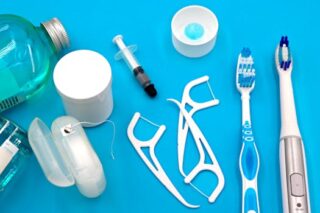
Finding the right mouthwash for sensitive teeth can be crucial for maintaining oral health and comfort. Sensitive teeth can cause discomfort during simple activities like eating and drinking, making it essential to find solutions that provide relief without causing irritation.
Choosing the Right Mouthwash for Sensitive Teeth
When selecting a mouthwash specifically for sensitive teeth, certain ingredients and properties can offer considerable benefits. Look for products that are alcohol-free, as alcohol can sometimes aggravate sensitivity by drying out the gum tissues. Additionally, mouthwashes containing fluoride can help in strengthening teeth enamel, providing an additional layer of protection.
Desensitizing compounds, such as potassium nitrate, are also worth considering. These compounds work by soothing the nerve endings in the teeth, thereby reducing the sensation of pain associated with sensitivity.
Benefits of Using Mouthwash for Sensitive Teeth
The most immediate benefit of using the correct mouthwash is a reduction in the pain and discomfort associated with sensitive teeth. Regular use of a suitable mouthwash can also contribute to overall oral health by reducing the build-up of plaque and bacteria.
Moreover, some mouthwashes offer added benefits such as whitening agents that gently bleach the teeth without the harsh abrasives that can sometimes exacerbate sensitivity. These multifaceted benefits make specialized mouthwashes a good adjunct to regular brushing and flossing.
Ingredients to Look For
When searching for a mouthwash for sensitive teeth, it’s important to pay attention to the list of ingredients. Fluoride is a key component that can help strengthen tooth enamel. Alongside fluoride, desensitizing ingredients such as stannous fluoride or potassium nitrate are beneficial.
Glycerin is another ingredient to look out for, as it provides a soothing effect on the gums and teeth, promoting hydration and comfort. Ingredients like chamomile and aloe vera can also help in soothing the gums, providing added comfort for those with sensitive teeth.
How to Use Mouthwash Effectively
Using mouthwash effectively involves more than just swishing it around briefly. Start by brushing your teeth with a soft-bristled toothbrush to avoid aggravating the sensitivity. After brushing, rinse with the mouthwash for approximately 30 seconds. This allows enough time for the solution to coat the teeth and gums properly, delivering its benefits effectively.
Ensure not to eat or drink immediately after rinsing with mouthwash to maximize the protective layer left by the ingredients. Use the mouthwash at least twice a day for optimal results.
Frequently Asked Questions About Mouthwash for Sensitive Teeth
Why do I have sensitive teeth?
Sensitivity in teeth can be caused by a variety of factors, including worn enamel, exposed roots, cavities, or cracked teeth. Addressing these underlying causes with a dentist can prevent further deterioration.
Can mouthwash replace brushing?
No, mouthwash cannot replace brushing. It is a supplement to brushing and flossing, designed to provide additional cleaning and comfort through ingredients specifically tailored for sensitive teeth.
Is alcohol-free mouthwash better for sensitive teeth?
Yes, alcohol-free mouthwash is usually recommended for people with sensitive teeth as it is less likely to cause irritation and dryness of the mouth.
What if my sensitivity doesn’t improve?
If sensitivity persists after using mouthwash regularly, consult a dentist to rule out any serious underlying dental issues. Professional advice can provide a personalized approach to managing your condition.
How often should I use mouthwash?
For best results, use the mouthwash twice daily, after brushing and flossing. Consistent use enhances the benefits provided by the mouthwash for sensitive teeth.
For those seeking more comprehensive insights into health and wellness, our article on understanding the stages of recovery provides valuable information.
For further scientific detail on oral health and mouthwashes, the health overview on Wikipedia is an excellent resource.
- Choosing the right mouthwash can significantly alleviate discomfort from sensitive teeth.
- Look for products with fluoride and desensitizing agents to protect and soothe sensitive areas.
- Using alcohol-free mouthwashes helps prevent additional irritation.
- Proper use involves swishing for 30 seconds and avoiding immediate eating or drinking afterwards.
- Consult a dentist if sensitivity persists despite regular use of mouthwash.
Other Articles You May Find of Interest...
- Benefits of Cosmetic Dentistry You Should Know
- A Beginner’s Guide to Maintaining Healthy Teeth and Gums
- How Oral Health Influences Overall Wellness
- Integrating Digital Innovation and Personalized Care in Modern Oral Health
- Temporary Abutments in Implant Dentistry: Supporting the Provisional Phase of Treatment
- Why Early Orthodontic Checkups Matter for Growing Kids in Chantilly
- Dental Implants vs. Dentures: What Really Changes Day to Day?



