More Complementary & Integrative Healthcare Articles
Discover the Benefits of Ylang Ylang Essential Oil and Its Enchanting Aroma
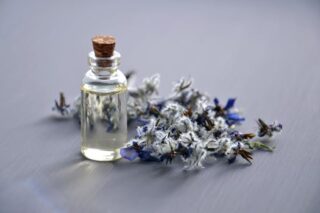
Ylang ylang essential oil is cherished for its soothing properties and enchanting fragrance. This aromatic oil, extracted from the flowers of the Cananga tree, is celebrated for both its pleasant ylang ylang smell and its potential therapeutic benefits. In this article, we explore the multifaceted uses of ylang ylang essential oil, from its aromatic allure to its possible health-enhancing effects.
Exploring the Uses of Ylang Ylang Essential Oil
Ylang ylang essential oil is often highlighted in aromatherapy for its calming and stress-relieving effects. The delightful fragrance of ylang ylang is known to evoke feelings of peace and relaxation, making it a favorite in spa treatments and home diffusers. By promoting a sense of tranquility, this essential oil may help in easing anxiety and improving mood.
Aromatic Characteristics
The ylang ylang smell is complex, often described as sweet, floral, and slightly fruity. This fragrance profile makes it a popular choice in perfumes and scented products. Blending well with other oils, such as jasmine and lavender, ylang ylang essential oil can be used to create calming yet invigorating aromatic environments.
Potential Health Benefits
Traditionally, ylang ylang essential oil is believed to have several health benefits. It is often used to support emotional wellness, promote relaxation, and may even help reduce blood pressure levels. While further scientific research is needed, these traditional uses are an integral part of understanding the oil’s appeal.
Another potential benefit includes enhancing skin and hair health. When used appropriately, ylang ylang essential oil can add moisture to the skin and scalp, potentially aiding in the reduction of acne and seborrheic conditions.
Incorporating Ylang Ylang into Your Wellness Routine
Incorporating ylang ylang essential oil into your daily wellness routine can be as simple as adding a few drops to a diffuser. The oil’s relaxing aroma can create a serene atmosphere for meditation or relaxation practices. Topically, it can be diluted with a carrier oil for use in massages, helping to relieve tension and reduce stress.
It’s essential to use ylang ylang essential oil safely, diluting it properly and performing a patch test before topical use. Due to its potency, excessive use may cause headaches or nausea in some individuals, so moderation is key.
For those interested in discovering more about holistic wellness practices, explore our article on holistic wellness and its comprehensive approach to health for all ages.
Choosing High-Quality Ylang Ylang Essential Oil
When purchasing ylang ylang essential oil, it’s vital to select high-quality, pure oils from reputable sources. This ensures that you are receiving the full benefits without the risk of contamination from additives or inferior production processes. Look for oils labeled as 100% pure, with transparent sourcing information.
Furthermore, choosing organic options can help minimize exposure to pesticides and chemical residues, aligning with clean and sustainable wellness practices.
Ylang Ylang Essential Oil in Traditional Practices
Ylang ylang has a rich history in traditional medicine, particularly in Southeast Asia where the Cananga tree is native. The oil was historically used in ceremonies and health remedies, valued for its supposed aphrodisiac properties and ability to harmonize emotions.
Today, this traditional knowledge is complemented by emerging scientific interest in the potential benefits of ylang ylang essential oil, encouraging more people to explore its uses within modern health frameworks.
For further information on the general health impacts of essential oils, you can visit this comprehensive source from Wikipedia on aromatherapy.
In conclusion, ylang ylang essential oil offers a myriad of benefits ranging from its delightful aroma to potential wellness applications. As interest in natural and holistic practices grows, this charming oil continues to captivate and support many in their pursuit of a balanced lifestyle.
- Ylang ylang essential oil is known for its sweet and floral aroma.
- It may help enhance mood and promote relaxation.
- Traditionally used for emotional wellness and skincare.
- Quality and purity are important when selecting essential oils.
- Always consult a healthcare provider for personalized advice.
What is ylang ylang essential oil?
Ylang ylang essential oil is an aromatic oil derived from the flowers of the Cananga tree. It is popular in aromatherapy and natural health practices.
What does ylang ylang smell like?
Ylang ylang has a sweet, floral, and slightly fruity aroma. It is often described as exotic and is commonly used in perfumes and scented products.
What are the benefits of ylang ylang essential oil?
Ylang ylang essential oil may support relaxation, stress relief, and emotional balance. It is also used in skincare for its moisturizing properties.
Can ylang ylang essential oil be used for hair care?
Yes, ylang ylang essential oil can be beneficial for hair care, particularly in promoting moisture and scalp health. It should be used diluted with a carrier oil.
How can I use ylang ylang essential oil safely?
To use ylang ylang essential oil safely, always dilute it with a carrier oil for topical applications and perform a patch test. Use it in moderation to avoid adverse reactions.
Other Articles You May Find of Interest...
- How to Support Your Immune System Naturally in Everyday Life
- Chinese Medicine and Western Medicine: Different Questions
- Cellular Healing Solutions
- Acupuncture and Cupping For Cancer Side Effects
- Hot-Cold Contrast Therapy at Home: A Beginner’s Guide
- Natural Tennis Elbow Remedies That Hold Up
- How to Support Your Immune System Naturally in Everyday Life