






Your Health Magazine
4201 Northview Drive
Suite #102
Bowie, MD 20716
301-805-6805
More Health & Wellness Tips Articles
Navigating Wellness Options in 2026: Why Transparency, Quality & Licensing Matter
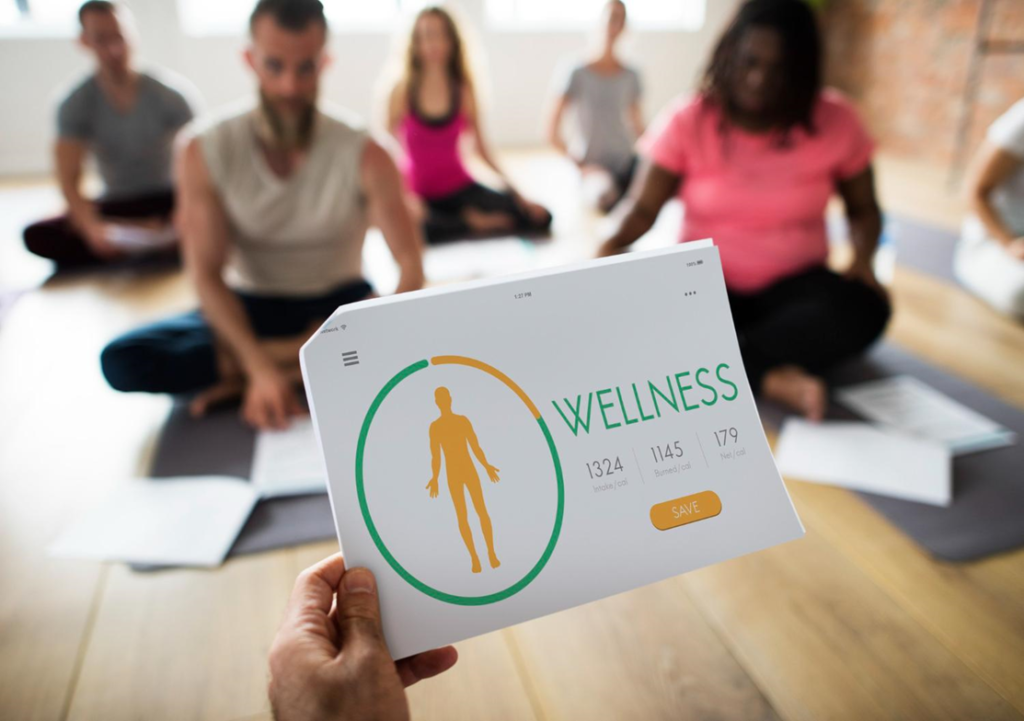
Image from Freepik
Wellness today looks very different than it did even a decade ago. In 2026, many adults are exploring more personalized approaches to their health, choosing options that fit their lifestyle rather than relying solely on traditional models. For some, this means using nutrition or fitness apps; for others, it includes exploring herbal supplements, holistic therapies, or legally regulated cannabis products depending on where they live. With so many possibilities available online, from mindfulness platforms and health clinics to licensed providers such as the best dispensary in Niles Michigan, it’s not surprising that many people feel both empowered and overwhelmed. The growing range of options offers exciting opportunities, but it also requires thoughtful decision-making to ensure choices truly support long-term well-being.
One thing has become clear: the wellness space is expanding quickly, and consumers now carry the responsibility of distinguishing trustworthy services from flashy marketing. That’s why transparency, regulation, and evidence-based guidance matter more than ever.
The Rise of Personalized Wellness Choices
Over the past few years, the shift toward personalized health has accelerated. People are no longer satisfied with generic guidance or one-size-fits-all approaches. Instead, many now pursue tailored solutions that align with their unique physiology, lifestyle, and personal preferences. This includes everything from choosing hypoallergenic skincare to seeking functional medicine consultations, and for some, exploring licensed dispensaries such as the best dispensary in Niles Michigan when looking into legally available cannabis-based wellness products.
This trend is partly driven by technology. Wearable devices, health-tracking platforms, gut microbiome testing kits, and AI-powered health coaching apps give individuals more insight into their own bodies than ever before. But with increased independence comes the need for discernment. Not all products marketed as “wellness” are safe or well studied, and not every provider follows the same standards of care.
According to the National Institutes of Health Office of Dietary Supplements, consumer interest in alternative health products continues to grow, but so do reports of mislabeled supplements, exaggerated claims, and unregulated production environments. In other words, interest is rising, and so is the importance of choosing carefully.
Why Transparency Is No Longer Optional
Transparency in 2026 is more than listing ingredients or claiming a product is “natural.” It means showing the source of raw materials, disclosing third-party testing, and being honest about both benefits and limitations. For services such as wellness coaching or cannabis-based products, transparency might also include disclosing certifications, licensing, and compliance information.
When evaluating wellness options, it’s helpful to look for clarity in a few key areas:
● What is the full ingredient or compound list?
● Are claims supported by evidence, clinical studies, or independent lab results?
● Is manufacturing held to certifiable standards?
Transparency builds trust, and without trust, wellness becomes guesswork.
Quality Standards Are Evolving

Image from Freepik
Consumers are more informed now, which means expectations around quality are higher. In the past, someone exploring vitamins or natural supplements may not have paid attention to sourcing, potency, or regulation. Today, those details matter, especially when wellness intersects with medical considerations.
Quality in wellness can refer to several things: ethical sourcing, accurate labeling, product consistency, and verified safety. When these components are missing, the risk increases, especially with ingestible or inhaled products.
Regulated industries, including medical cannabis in legal states, have become examples of how structured quality control can benefit consumers. Licensed dispensaries, medical providers, and certified manufacturers often undergo inspection, laboratory testing, and compliance audits. These measures protect consumers and minimize uncertainty.
Licensing Protects the Consumer, Not the Industry
Many people think licensing exists to benefit businesses, but in reality, licensing exists to protect the public. Whether someone is seeking a massage therapist, naturopathic physician, acupuncturist, esthetician, or dispensary technician, licensing ensures a baseline of training, safety, and ethical accountability.
In the wellness market, where trends move faster than regulation, licensing serves as an anchor of legitimacy. It signals that the practitioner or business adheres to defined standards, follows safety requirements, and maintains updated training or certification.
Licensing also helps consumers navigate a crowded market by filtering out unsupported claims and ensuring that services are delivered by trained professionals rather than unverified influencers or unregulated vendors.
Responsible Wellness Requires Informed Decision-Making
With so many accessible wellness paths, it may be tempting to try everything at once. But responsible wellness isn’t about chasing every new idea, it’s about aligning options with personal goals, medical history, and long-term safety.
For some, that means prioritizing lifestyle foundational pillars like sleep, nutrition, movement, mental well-being, and hydration before exploring alternative modalities. For others managing chronic conditions, integrative approaches may be helpful, but ideally under the guidance of a licensed practitioner.
Doing your own research is a starting point, but involving a qualified health professional can prevent misunderstandings or unintended interactions, especially when exploring supplements, herbal blends, or THC/CBD products.
The Future of Wellness Is Empowered, Not Extreme
What’s happening in 2026 isn’t a fad, it’s a shift toward autonomy and informed choice. People want options that respect their individuality, but finding those options requires discernment. The most balanced wellness journey blends curiosity with verification, intuition with information, and hope with science.
As wellness continues expanding, the most important commitments consumers can make are to protect their health, prioritize quality, and choose licensed and transparent providers. The promise of better well-being shouldn’t come at the cost of safety, clarity, or trust.
When those elements are in place, exploring wellness, whether conventional or alternative, becomes not only safer, but more meaningful and effective.
Other Articles You May Find of Interest...
- Unlocking the Secrets of Healthy Living Through Ana Pattern Homogeneous
- The Benefits of Biest for Hormonal Balance and Wellness
- Converting 39.3 Degrees Celsius to Fahrenheit for Everyday Use
- Exploring the Impact of Dark and Yellow Foods on Your Health
- The 10 Healthiest Cities In The World
- Unlocking the Secrets of Your Aspects Score for Better Health
- Unlocking the Secrets of Blue 2 for Better Health


