More Gastroenterology Articles
Relief Strategies for Constipation Pain: Finding Comfort and Solutions
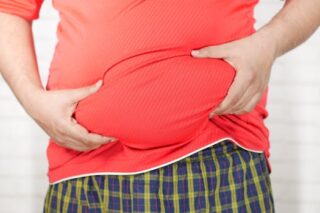
Many individuals experience distress when dealing with the discomfort of constipation. It’s not uncommon to search for solutions when constipated hurts, seeking relief from the pain and pressure that can accompany this condition. Constipation is often characterized by infrequent bowel movements or difficulty passing stools, both of which can lead to cramping and discomfort.
Understanding Why Constipated Hurts
When you’re constipated, the discomfort may stem from the hard, dry stools that occur when the digestive system slows down. This often leads to straining in the bathroom and can cause pain in the abdomen, as well as other symptoms such as bloating and nausea. Dehydration, lack of dietary fiber, and certain medications can contribute to the condition, making it essential to understand both the causes and the remedies for relief.
Simple Home Remedies
Several simple strategies can help alleviate the pain associated with constipation. Staying hydrated is crucial, as water helps to soften the stool. Including more fiber-rich foods in your diet, such as fruits, vegetables, and whole grains, can also promote easier passage. Regular physical activity can likewise stimulate intestinal movement and may help alleviate symptoms.
When Constipated Hurts: Over-the-Counter Solutions
If lifestyle changes aren’t sufficient, over-the-counter medications, such as fiber supplements, can offer relief. However, it’s important to use these products properly to avoid dependency. Stool softeners and laxatives may provide temporary relief for those whose symptoms are not improving with dietary changes alone. Always consult with a healthcare provider to ensure safety and suitability.
Potential Complications
While constipation is usually a temporary issue, chronic constipation can lead to other health problems, such as hemorrhoids or anal fissures. Such complications occur due to the straining often associated with passing hard stools. If pain persists or is severe, it’s important to seek medical evaluation to rule out underlying concerns.
When to See a Doctor
If constipation becomes a recurring problem or is accompanied by severe pain, blood in the stool, or significant changes in bowel habits, it’s advisable to schedule a visit with a healthcare professional. These symptoms can signal more serious health conditions that require further diagnosis and treatment.
Preventive Measures
Long-term prevention of constipation pain often involves adopting healthy habits. A balanced diet with plenty of dietary fiber, regular physical activity, and sufficient hydration fosters good digestive health. Understanding the impact of stress is likewise important, as stress management techniques can also contribute to bowel regularity.
For related health insights, check out our article on Weight Loss: Safe and Effective Approaches and Hidden Causes on our website.
Takeaways
- Constipation and the associated pain can be managed with simple lifestyle changes.
- Ensure adequate fluid intake and consume a fiber-rich diet for relief.
- Over-the-counter solutions can help but should be used cautiously.
- Seek medical advice if symptoms are severe or persistent.
FAQs About Constipation
What are the main causes of constipation?
Constipation mainly results from lack of dietary fiber, insufficient fluid intake, and a sedentary lifestyle. Other causes can include medications, stress, and certain health conditions.
How can I prevent constipation from becoming a recurring issue?
Incorporate regular exercise, maintain a high-fiber diet, and drink plenty of water daily. Managing stress levels can also play a role in preventing constipation.
What should I avoid when constipated?
Avoid excessive caffeine and alcohol, as they can dehydrate you. It’s also important not to ignore the urge to have a bowel movement, as doing so can contribute to constipation.
Should I use laxatives regularly?
Laxatives should not be used regularly without medical advice, as they can potentially lead to dependency and impact bowel function. Consult with a healthcare provider for personalized guidance.
Where can I find more information on digestive health?
For comprehensive information on digestive health, the Wikipedia Health page offers a range of resources.
If constipated hurts and lifestyle adjustments aren’t enough, remember that options like dietary changes and medications may provide relief. Always consider seeking medical consultation for persistent or severe symptoms to ensure your well-being.
Other Articles You May Find of Interest...
- Why You Get Stomach Bloating and Gas After Eating Meat
- Why Does Chick-fil-A Make My Stomach Hurt?
- Dr. Omar Marar on the Evolution of Modern Colorectal Surgery
- Pain Where Your Appendix Was Removed Years Ago: Possible Causes
- Why Multi-Strain Probiotics May Offer Broader Digestive Support
- What a Healthy Colon Looks Like During Colonoscopy
- A Better Digestive Rhythm: Everyday Habits for Preventing Occasional Constipation