






Your Health Magazine
4201 Northview Drive
Suite #102
Bowie, MD 20716
301-805-6805
More Health & Wellness Tips Articles
Hernia Repair Recovery: Tips for Healing and Returning to Daily Life

Undergoing hernia repair surgery, whether open or minimally invasive laparoscopic, marks a significant step toward resolving discomfort and preventing complications. The journey following the procedure is equally critical. Successful recovery depends on a well-managed postoperative period that strikes a balance between necessary rest and gradual rehabilitation.
Adherence to medical guidance and a proactive approach to self-care are paramount for optimal healing and a swift, sustainable return to daily activities. Understanding what to expect and how to navigate the recovery process can empower patients to contribute positively to their own outcomes.
Below are some tips for healing and returning to daily life after a hernia repair recovery:
The Immediate Postoperative Phase: The First 72 Hours
The initial days after surgery are dedicated to rest, pain management, and monitoring for any signs of complications. Patients typically experience soreness, swelling, and bruising around the incision site. Prescribed pain medication should be taken as directed to maintain comfort, which in turn facilitates deep breathing and movement, reducing the risk of pulmonary issues. During this phase, activities are extremely limited. Focus should be on the following:
- Controlled Ambulation: Short, slow walks around the house every few hours are encouraged to promote circulation and prevent blood clots. However, prolonged standing or sitting should be avoided.
- Incision Care: Maintaining a clean and dry surgical site is crucial. Patients receive specific instructions on showering and dressing changes, often involving the use of waterproof bandages.
- Diet Management: Starting with clear liquids and bland foods like broth, toast, and applesauce is advisable. Gradually reintroducing fiber-rich foods can help counteract constipation, a common side effect of anesthesia and pain medications.
Furthermore, for patients in locations like Southern California seeking expert care, consulting with some of the best hernia surgeons in Los Angeles can provide a strong foundation for their recovery journey, as their specialized skills typically correlate with precise repairs and detailed postoperative protocols.
The First Two Weeks: Building a Foundation for Healing
As acute pain subsides, the focus shifts to protecting the repair while increasing activity. The internal mesh or sutures are at their most vulnerable during this time. Some key guidelines include:
- Strict Adherence to Lifting Restrictions: A universal rule is to avoid lifting anything heavier than 10-15 pounds, which typically includes grocery bags, laundry baskets, and small children. Bending at the knees, not the waist, is also crucial when picking up lightweight items.
- Listening to the Body: Pain is a signal. Any activity that causes pulling, straining, or sharp pain in the surgical area should be stopped immediately. Discomfort is expected, but acute pain is a warning.
- Managing Coughs and Sneezes: Applying gentle pressure with a pillow or hand over the abdomen when coughing, sneezing, or having a bowel movement can help stabilize the area and reduce sudden strain.
Medical teams stress the importance of this protective phase, providing patients with clear, individualized parameters to ensure the repair remains secure. Moreover, specialized facilities like the Torrance hernia center emphasize a patient-centered approach, ensuring individuals have the resources and information needed for each phase of healing.
Weeks Three to Six: Gradual Resumption of Activities
This period typically marks a turning point where patients begin to feel more like themselves. Energy levels improve, and discomfort continues to diminish. With surgeon approval, usually after a follow-up appointment, activity can be progressively increased. Some of these activities include:
- Return to Sedentary Work: Those with desk jobs may be cleared to return to work, with reminders to take frequent short breaks to stand and walk.
- Introduction of Gentle Movement: Light stretching and longer walks are generally permitted. However, core exercises, running, heavy lifting, and strenuous sports remain prohibited.
- Driving: Patients can typically resume driving once they are off narcotic pain medication and can perform emergency maneuvers without abdominal pain, often around the two-to-three-week mark.
This phase allows a safe, gradual return to normal activities by carefully increasing movement while still protecting the healing repair.
Long-Term Recovery and Return to Full Activity
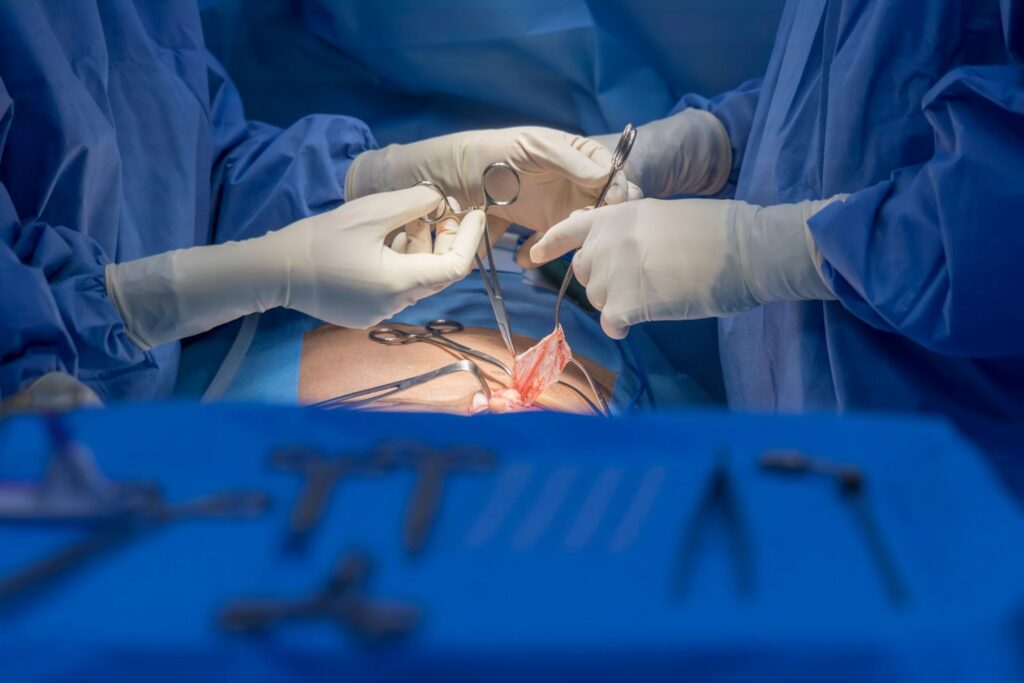
Full recovery, especially for a return to heavy labor or intense athletic training, can take several months. The body continues to remodel tissue and integrate the repair of any type of hernias long after the visible incision has healed. Here’s what to expect:
- Structured Rehabilitation: A physical therapist may design a gradual program to strengthen the core muscles without jeopardizing the repair. This focuses on proper engagement and avoids traditional sit-ups or crunches initially.
- Lifestyle Modifications: Addressing the root causes of the hernia is vital for preventing recurrence. This may involve nutritional counseling to achieve a healthy weight, smoking cessation programs to improve tissue integrity, and learning proper lifting techniques for both work and daily life.
- Ongoing Communication: Reporting any new or worsening symptoms, such as persistent pain, fever, redness, drainage from the incision, or a noticeable bulge, to the surgical team is crucial for addressing potential complications, including infection or recurrence.
This final phase requires patience and structured strengthening to ensure the repair lasts for a lifetime of activity.
Other Essential Tips for a Smooth Recovery
Beyond phase-specific advice, several overarching practices support healing. Prioritizing hydration and a protein-rich diet can provide the building blocks for tissue repair. Ensuring a clutter-free home environment can minimize the temptation to lift or reach. Preparing meals in advance or arranging for help with chores can also significantly reduce stress on the body. Perhaps most importantly, practicing patience is crucial as comparing one’s recovery timeline to others or rushing the process can lead to setbacks.
Key Takeaway
In conclusion, recovering from hernia repair is a deliberate process that requires careful management of activity, diligent self-care, and close partnership with the surgical team. By keeping the tips mentioned above in mind, patients can effectively navigate their recovery, minimize the risk of complications, and confidently return to a comfortable, active daily life.
Other Articles You May Find of Interest...
- Effective Remedies for Healing a Burnt Tongue and Restoring Taste Buds
- Discover the Health Benefits of Paradise Fruit and Peel Mix
- The Health Benefits of Pickle Juice You Need to Know
- Common Medical Issues You Can Easily Improve
- The Surprising Truth About Caffeine in Decaf Coffee
- Causes Behind Your Eyebrow Twitching and How to Find Relief
- Preventing Tick-Borne Diseases: Essential Tips for Staying Safe Outdoors



