






More Ear, Nose & Throat Articles
Choosing the Right Water for Your Neti Pot: Is Spring or Salt Water Best?
Using a neti pot is a common practice for relieving nasal congestion and maintaining nasal health. However, a crucial consideration for effective use is the type of water neti pot users fill their devices with. This decision can significantly impact both the efficacy and safety of the treatment.
Understanding the Importance of Water in Your Neti Pot
When it comes to choosing the appropriate water for your neti pot, understanding the reasons behind this choice is essential. Many people wonder, “can you use spring water in a neti pot?” or if “salt water in neti pot” offers the same benefits as other types. It’s vital to use water that is safe, clean, and ideally prepared to ensure the solution neither irritates the nasal passages nor introduces pathogens.
Regular tap water may not be suitable due to potential impurities and bacteria. As such, users are often advised to use distilled, sterile, or previously boiled water. Let’s explore the options available and the reasons for their specific recommendations.
Exploring Different Types of Water for Your Neti Pot
Can You Use Spring Water in a Neti Pot?
Spring water is often considered a natural and pure choice for drinking, but when it comes to its use in a neti pot, caution is advised. Spring water can contain natural minerals, but it may also harbor microorganisms. Without proper treatment, these could pose a risk of infection. Therefore, it’s generally recommended to avoid using spring water unless it has been boiled and cooled to eliminate potential pathogens.
Salt Water Solution: The Classic Choice
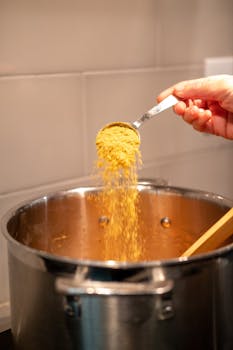
Making a saltwater solution is the most traditional and recommended practice. Using a combination of safe water—distilled, sterilized, or cooled boiled water—and non-iodized salt creates a saline solution that mimics the body’s natural fluids. This mixture is gentle on the nasal tissues and effective in clearing out mucus and allergens. The simple saline solution aligns with the common queries about “what kind of water for neti pot” and is supported by myriad allergy and sinus relief studies.
Boiled or Distilled Water: Ensuring Safety
Ensuring the water’s safety is paramount. Boiled or distilled water is ideal as it eliminates harmful microorganisms. Once boiled, allow the water to cool to a comfortable temperature before use. For those wondering “what type of water to use with neti pot”, these options provide the safest route, preventing unnecessary health risks associated with untreated water.
Benefits of Using Safe Water in Your Neti Pot
Using the appropriate type of water for your neti pot is crucial for safety and efficacy. Saline solutions prepared with sterilized or distilled water can help alleviate symptoms of sinusitis, allergies, and colds. Ensuring the water is pathogen-free reduces the risk of infections, allowing you to benefit fully from the cleansing and decongesting properties of the treatment.
Choosing the right water not only enhances your experience but also underscores the importance of combining traditional techniques with modern healthcare insights, similar to approaches in holistic medicine practices.
How to Prepare the Perfect Saline Solution
Preparing a saline solution for your neti pot is straightforward yet essential for effective nasal irrigation. Begin by boiling water and allowing it to cool or choose distilled water for immediate use. Add approximately ¼ to ½ teaspoon of non-iodized salt per 8 ounces of water. You can also include a pinch of baking soda to soften the solution, making it gentler on nasal tissues.
Store any unused solution in a clean, airtight container and shake well before each use to dissolve all granules. Always make fresh solutions frequently and discard any that show signs of contamination or cloudiness.
Water Neti Pot: Final Thoughts
When incorporating the use of a neti pot into your regular hygiene routine, the type of water you choose plays a significant role in the treatment’s safety and effectiveness. By opting for sterilized options and correct saline mixtures, you can ensure a safe and beneficial nasal cleansing process. Remember, always consult healthcare professionals when in doubt about personal health practices.
- Always use distilled, sterile, or previously boiled water in your neti pot.
- Spring water should be boiled and cooled before use to ensure safety.
- Saltwater solutions are optimal for mimicking the body’s natural saline levels.
- The type of water chosen impacts the safety and efficacy of nasal irrigation.
- Consult a healthcare provider for personalized advice.
What kind of water should you use in a neti pot?
Use distilled, sterile, or previously boiled water to avoid any risk of infection from impurities or pathogens in untreated water.
Is spring water safe for use in a neti pot?
Spring water may contain microorganisms unless boiled. It’s generally safer to use it only if it has been boiled and cooled to ensure all potential pathogens are eliminated.
What’s the benefit of a saltwater solution in a neti pot?
Saltwater solutions help to cleanse the nasal passage without irritating tissues, providing relief from congestion and improving nasal hygiene.
Can tap water be used in neti pots?
It is not recommended to use tap water unless it has been boiled and cooled, as it could contain harmful microorganisms.
Why is the choice of water important for using a neti pot?
The choice of water is crucial as it ensures the safety of nasal irrigation, preventing potential infections and optimizing the treatment effectiveness.
Other Articles You May Find of Interest...
- Can a Tablet Get Stuck in Your Throat? Understanding the Risks and Solutions
- Effective Strategies for Itchy Nose Relief and Stopping the Itch
- What to Do When a Pill Gets Stuck in Your Throat?
- Effective Remedies for Post Nasal Drip and Cough Relief
- Is Afrin a Steroid or Safe Nasal Spray for Relief?
- Effective Solutions to Alleviate Post Nasal Drip Symptoms
- Causes and Solutions for Sharp Pain in Throat When Swallowing



