More Allergy, Asthma & Infectious Disease Articles
The Hidden Dangers of Yellow Fly Bites and How to Protect Yourself
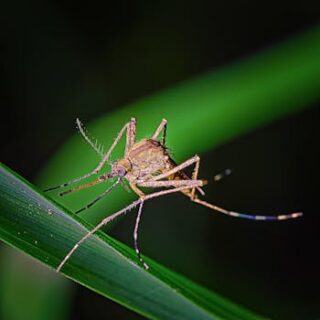
Yellow fly bites can be more than just an itchy nuisance during the warmer months; they can carry certain health risks. These insects, which are known for their painful bites, are often encountered near bodies of water, in wooded areas, and in the southeastern United States. Understanding the hidden dangers of yellow fly bites and how to protect yourself is essential for anyone spending time outdoors in regions where these flies are prevalent.
What is a Yellow Fly Bite?
The yellow fly, a type of biting fly, is notorious for its aggressive nature and painful bite. These flies are part of the Tabanidae family and are similar to deer flies and horse flies. Yellow fly bites are known for causing immediate burning and itching sensations, often accompanied by swelling and redness at the bite site.
Symptoms and Reactions
A typical reaction to a yellow fly bite includes localized swelling, redness, and pain. Some individuals may also experience the formation of a small, red bump that can itch intensely. In rare cases, more severe allergic reactions may occur, such as difficulty breathing or extensive swelling, which require immediate medical attention.
Potential Health Risks
Beyond the immediate discomfort, yellow fly bites can pose additional health risks. Like other biting insects, yellow flies can potentially transmit diseases, although this is less common than mosquito-borne illnesses. Maintaining awareness and taking precautions—such as using protective measures and natural solutions like essential oils to repel mosquito activity—can significantly reduce the chances of an adverse health impact.
How to Protect Yourself from Yellow Fly Bites
Prevention is key when it comes to yellow fly bites. Here are some strategies to protect yourself:
- Wear long sleeves and pants to cover exposed skin when possible.
- Use insect repellent containing DEET, picaridin, or oil of lemon eucalyptus.
- Avoid peak activity times for yellow flies, usually during mid-morning and late afternoon.
For additional outdoor safety tips, check out this article on effective exercise approaches, which also offers insights on planning outdoor activities wisely.
Home Remedies and Treatment
Immediate treatment of a yellow fly bite can help alleviate discomfort. Clean the affected area with soap and water, and apply a cold compress to reduce swelling. Over-the-counter antihistamines and hydrocortisone creams can help manage itching and inflammation. Monitoring the bite for signs of infection is also crucial.
When to Seek Medical Help
While most yellow fly bites can be managed at home, seek medical attention if you experience severe reactions such as extensive swelling, difficulty breathing, or signs of an allergic reaction. Persistent redness or discharge from the bite site could indicate an infection that requires medical evaluation.
Natural Repellents and Alternatives
For those seeking natural alternatives, certain remedies may help minimize the chance of bites. Essential oils such as lavender, eucalyptus, and citronella have been studied for their insect-repelling properties. However, their efficacy varies, and they may not provide the same level of protection as commercial repellents.
Conclusion
Understanding the potential harm of a yellow fly bite and taking preventative measures can enhance your outdoor experiences while reducing the risk of discomfort or more serious health issues. By knowing how to protect yourself and recognizing when to seek medical help, you can enjoy nature more safely and confidently.
- Yellow fly bites are common near bodies of water and wooded areas.
- Symptoms include swelling, redness, and itching, with rare severe allergic reactions.
- Preventative measures include wearing protective clothing and using insect repellent.
- Treatment involves cleaning the bite site, using antihistamines, and monitoring for infection.
- Consult a healthcare professional if severe symptoms arise.
FAQs
Are yellow fly bites dangerous?
While most yellow fly bites are not dangerous, they can cause discomfort and potential allergic reactions. In rare cases, they might carry insect-borne illnesses.
How can I treat a yellow fly bite at home?
Clean the area with soap and water, apply a cold compress, and use over-the-counter creams to manage itching and inflammation. Seek medical advice if necessary.
Can yellow flies transmit diseases?
Though less common than mosquito-borne illnesses, yellow flies have the potential to transmit diseases. It is crucial to take preventative steps to minimize this risk.
When should I see a doctor for a yellow fly bite?
If you experience severe swelling, difficulty breathing, or signs of infection such as pus or fever, seek medical attention promptly.
What are some natural ways to repel yellow flies?
Natural repellents, such as lavender or citronella oils, may provide some protection. However, they might not offer the same effectiveness as commercial insect repellents containing DEET or picaridin.
For more scientifically backed reading, explore this article on health to further your understanding of how insect bites can impact well-being.
Other Articles You May Find of Interest...
- How to Keep Pollen Out of Your Home: Choosing an Air Purifier for Pollen
- When Should Your Child See a Pediatric Allergist? A Three-Trigger Test
- Candida sp. rRNA Results: What Molecular Testing Detects
- Ant Bites or Poison Ivy? How the Rashes Differ
- Can Stress Cause Cold Sores on the Lips?
- Gram-Positive Rods in a Blood Culture: Contamination or Infection?
- Can Head Lice Get Into Your Ears?