More Women's Health & Beauty Articles
Discover the Benefits and Effectiveness of the Birth Control Contraceptive Patch
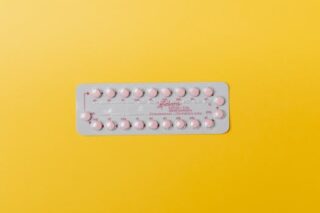
The birth control contraceptive patch is a convenient and effective method of preventing pregnancy for many people. It is a small, thin patch worn on the skin that releases hormones to prevent ovulation. This article explores the benefits, effectiveness, and considerations of using the birth control contraceptive patch as a part of your family planning strategy.
What Is the Birth Control Contraceptive Patch?
The birth control contraceptive patch is a form of hormonal contraception that contains a combination of estrogen and progestin hormones. These hormones are absorbed through the skin and work to prevent ovulation, thicken cervical mucus, and thin the uterine lining, which helps in preventing pregnancy. Typically, the patch is applied to the skin once a week for three consecutive weeks, followed by a patch-free week.
Benefits of Using the Birth Control Contraceptive Patch
The birth control patch offers numerous advantages over other forms of contraception:
- Convenience: Since the patch is changed only once a week, it offers greater convenience compared to daily oral contraceptive pills.
- Hormonal Regulation: It may help in regulating menstrual cycles and can reduce menstrual cramps and symptoms of premenstrual syndrome (PMS).
- Reversibility: Fertility typically returns quickly after discontinuing the patch, making it a flexible option for future family planning.
- Reduced Risk of Certain Conditions: The use of hormonal contraceptives like the patch may be associated with a reduced risk of ovarian and endometrial cancers.
How to Use the Birth Control Contraceptive Patch
Using the birth control contraceptive patch is straightforward, but it requires regular application to maintain its effectiveness:
- Start: Apply the first patch on the first day of your menstrual cycle or the first Sunday after starting your period. In some cases, additional contraception may be required for the first seven days of use.
- Apply: Place the patch on clean, dry, and hairless skin in areas such as the buttocks, abdomen, upper outer arm, or upper torso, avoiding the breasts.
- Replace: Change the patch on the same day each week for three weeks, followed by a patch-free week to allow for a menstrual period.
Considerations and Potential Side Effects
While many find the patch an effective and user-friendly option, it’s essential to consider potential side effects and discuss them with a healthcare provider. Common side effects may include skin irritation, nausea, headaches, and mood changes. Some individuals may also experience changes in weight or breakthrough bleeding. For more detailed insights into managing weight concerns associated with hormonal contraceptives, explore our article on weight loss and safe approaches.
It is crucial to discuss any medical history of clotting disorders, smoking, or other health concerns with a healthcare professional to determine if the patch is a suitable choice. Long-term use may slightly increase the risk of certain health conditions, and healthcare providers can offer personalized guidance.
The Effectiveness of the Birth Control Contraceptive Patch
The birth control contraceptive patch is highly effective when used correctly and consistently, with a failure rate of about 1% with typical use. However, several factors might reduce its effectiveness, including improper application or failure to replace the patch on schedule. It’s vital to follow the application guidelines and consult a healthcare provider with any concerns regarding its use or effectiveness.
Cost and Accessibility
The cost of the birth control patch may vary based on insurance coverage and local healthcare services. Many health insurance plans cover the cost of the patch, and certain healthcare providers or clinics may offer it at reduced rates. Accessibility can be a significant consideration, so it is advisable to explore local resources and options available through healthcare providers.
Conclusion
The birth control contraceptive patch is a practical option for many individuals, providing an effective and convenient method of contraception. Users should remain informed of its benefits, potential side effects, and best practices for use. Engaging in open discussions with healthcare providers ensures safe and informed choices regarding family planning and reproductive health. For further information on reproductive health, consider checking the detailed resources available on reputable websites like the Health Wikipedia page.
- The birth control contraceptive patch is a convenient, weekly option for preventing pregnancy.
- It’s important to adhere to usage instructions for optimal effectiveness.
- Potential side effects should be discussed with a healthcare professional.
- Fertility usually returns quickly after discontinuation.
- Cost and accessibility can vary depending on individual healthcare plans.
Is the birth control patch effective for preventing pregnancy?
Yes, the birth control patch is highly effective when used correctly, with a typical-use failure rate of around 1%.
How do I apply the birth control patch?
The patch is applied to clean, dry skin on areas such as the buttocks, abdomen, upper arm, or torso. It should be replaced weekly on the same day each week.
Are there any potential side effects of using the patch?
Common side effects may include skin irritation, nausea, headaches, and mood changes. Consultation with a healthcare provider is recommended for concerns.
What should I do if the patch falls off?
If the patch becomes loose or falls off, consult the instructions provided with the patch or contact a healthcare provider for guidance on continuing contraceptive protection.
Can I use the patch if I have a history of clotting disorders?
Individuals with clotting disorders should discuss their medical history with a healthcare provider to ensure the patch is a safe option for them.
Other Articles You May Find of Interest...
- The Science Of Firmer, More Radiant Skin
- How Acupuncture Supports Women’s Health
- Women and Gorgeous Smiles
- The Forgotten Pillar Of Total Wellness
- Menopause at Work: Why Women’s Health Is Becoming a Workplace Issue
- Heavy Menstrual Bleeding: Common Causes, Warning Signs and When to See a Gynecologist
- Low Albumin During Pregnancy: Common Causes and When It Matters