More Mental Health Articles
How Cognitive Science Can Guide Better Decisions About Personal Health
Every health choice begins long before action takes place. It starts with perception, interpretation, and inner reasoning shaped by countless cognitive processes. Cognitive science explores how these processes influence judgment, habit formation, risk evaluation, and self-regulation. By understanding these internal mechanisms, people gain more clarity about why certain decisions feel easy while others feel draining. This perspective encourages curiosity instead of self-blame and supports gradual, sustainable shifts. Cognitive patterns influence how individuals respond to stress, how they interpret bodily signals, and how they organize daily routines. Insights from this field reveal that healthier choices come from shaping the mind as much as shaping the environment. With this lens, personal health becomes a journey guided by awareness rather than willpower alone.

How Interpretive Frameworks Influence Health Choices
Interpretive frameworks help the mind make sense of experiences. These frameworks act like internal filters that determine whether a message feels credible, motivating, or irrelevant.
Someone with a narrow framework may dismiss health advice that contradicts their long-held beliefs. Another person may interpret the same advice as an opportunity for improvement. The mind relies heavily on pattern recognition, so familiar narratives often overshadow new information.
People benefit when they examine where those internal stories came from and whether they still serve current goals. People who engage with educational articles on memory and learning gain a stronger sense of how their minds process information, making it easier to adjust the frameworks that guide health decisions. Shifting a framework requires opening space for alternative perspectives. When these internal filters become more flexible, people evaluate guidance with less resistance and more clarity.
The Role of Attention in Everyday Health Actions
Attention determines which signals receive priority during daily decision-making. When attention drifts, health-related cues get overlooked: thirst may go unnoticed, stress may escalate, and the body’s subtle discomforts may be ignored. The mind often fixates on urgent tasks, leaving less mental space for thoughtful health behavior.
Strengthening attention helps individuals recognize early signs that guide better choices. Focused attention supports mindful eating, safer movement, accurate medication routines, and improved stress responses. People who observe their attention patterns learn which environments drain their focus and which environments support it.
Simple adjustments, such as reducing digital noise or creating structured routines, help the mind remain steady. The consistency of attention directly influences whether actions align with personal intentions. When attention is anchored, decision-making gains stability and reliability.
Memory Patterns and Their Impact on Health Behavior
Memory serves as the internal archive the mind consults when deciding how to act. Past attempts influence expectations: success builds confidence while setbacks create hesitation. The brain tends to prioritize memories that carry emotion, which is why discouraging experiences often feel louder than positive ones.
When individuals revisit positive progress, even small achievements gain strength as motivational anchors. Memory consolidation benefits from repetition, meaningful associations, and emotional reinforcement. People strengthen helpful patterns by linking behaviors to values, celebrations, or supportive routines.
This reshaping of memory-based expectations improves consistency and confidence. When individuals understand that memory is adaptable, they feel less defined by past outcomes and more guided by future potential. Health choices become less reactive and more reflective.
Biases That Steer Health Decisions Off Course
Cognitive biases influence judgments without conscious awareness. These shortcuts may simplify complex information, yet they frequently distort interpretation. Confirmation bias encourages individuals to accept information that matches what they already believe.
Availability bias pushes the mind to rely on recent or vivid memories, even when those memories do not represent actual risk. Anchoring bias can make the first piece of information encountered feel disproportionately influential. Emotional bias may lead someone to choose comfort over long-term benefit when stress rises.
Recognizing these patterns involves learning how to pause long enough to question first impressions. With practice, individuals can compare initial reactions against more balanced information. This habit increases clarity, reduces impulsive decisions, and supports steady progress.
How Environment Shapes Repeatable Health Behaviors
The environment quietly shapes habits by influencing the cues that trigger action. The mind responds naturally to convenience, visual reminders, and accessible tools. A cluttered countertop may encourage mindless eating, while a well-organized space may encourage more thoughtful choices.
Social surroundings influence behavior as strongly as physical surroundings. When routines align poorly with personal goals, the environment often contains triggers that reinforce old habits. People experience meaningful improvements when they design spaces that support health intentions.
Adjustments may include preparing healthier items in visible places, removing distractions from resting areas, or reorganizing tools used in daily routines. Environmental design reduces the cognitive load required for healthy decision-making. When surroundings reflect personal values, choices feel less like effort and more like natural extensions of daily life.
Motivation Pathways and How They Sustain Health Routines
Motivation grows when individuals connect actions to personally meaningful reasons. Reward pathways in the brain respond strongly to small signs of progress, creating internal encouragement that supports consistency. People who track behaviors often observe patterns that help refine decisions with less frustration. To strengthen motivation, individuals benefit from supportive structures such as:
- Clear reminders that signal the start of a habit
- Meaningful milestones that highlight growth
- Encouraging social connections
- Rituals that reinforce a sense of purpose
Step-by-step goals that reduce cognitive strain
When motivation dips, reconnecting to personal values renews commitment. Motivation becomes more dependable when it feels internal rather than imposed. This internal grounding helps people navigate fluctuations in energy, mood, and external pressures with greater resilience.
Flexible Thinking for Navigating Changing Health Needs
Health needs shift with seasons, schedules, stress levels, and life transitions. Flexible thinking helps individuals adapt without feeling discouraged. When plans change unexpectedly, rigidity can create unnecessary frustration. Flexibility allows people to explore alternatives that still support their goals.
Cognitive reframing helps redirect attention toward possibilities instead of barriers. This perspective strengthens problem-solving skills that apply to sleep habits, exercise routines, diet choices, and medical decisions. Flexibility communicates that progress continues even when routines take a different form.
By practicing adaptability, individuals maintain stability during disruptions and return to their intentions with confidence. Flexible thinking supports long-term consistency by reducing the pressure to meet perfection.
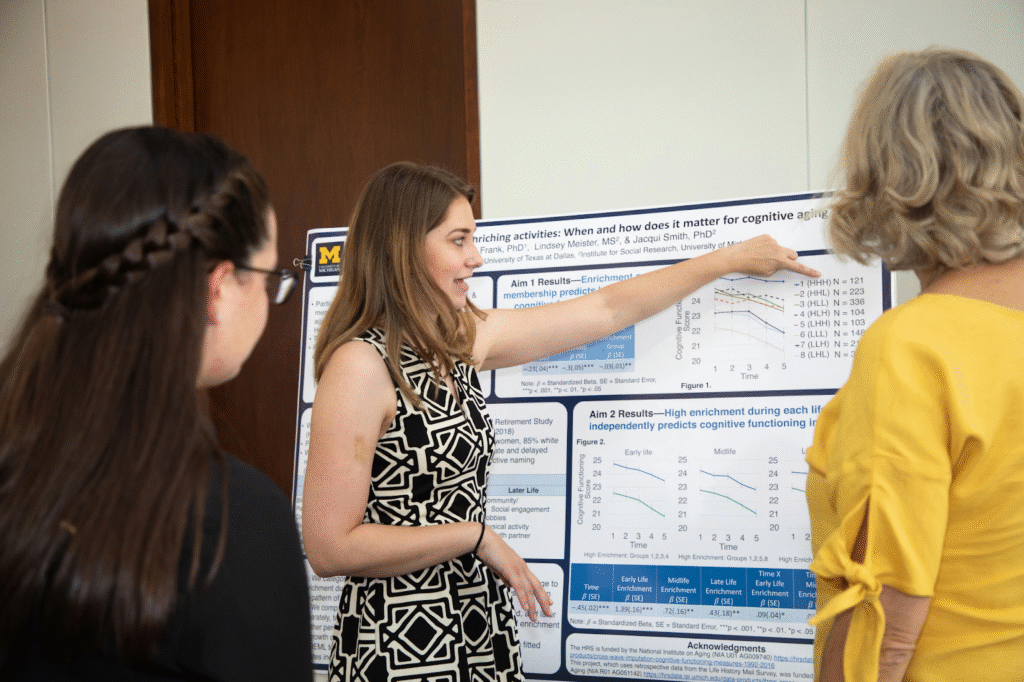
Cognitive science provides a richer understanding of how thoughts, memories, attention, and environments shape health decisions. When individuals become aware of these influences, they gain more agency in their choices. This awareness fosters healthier patterns grounded in clarity, purpose, and adaptability. Through mindful engagement with these cognitive processes, people build habits that support long-term well-being with greater confidence and steadiness.
Other Articles You May Find of Interest...
- Why Your Mental Wellness Routine Should Integrate Exercise
- How to Protect Your Mental Health After Losing a Pet
- The Hidden Link Between Blood Sugar and Anxiety: What Continuous Glucose Monitors Reveal
- Why a Gradual, Clinician-Guided Approach to Methylfolate May Matter
- Breaking the Stigma Around Mental Health and Seeking Professional Support
- Complex PTSD vs. PTSD: The Differences That Can Change Your Treatment
- When Talk Therapy Isn’t Enough: Understanding More Intensive Treatment for OCD