More Pain Management & Rehabilitation Articles
What kind of preparations do you need before a knee replacement?
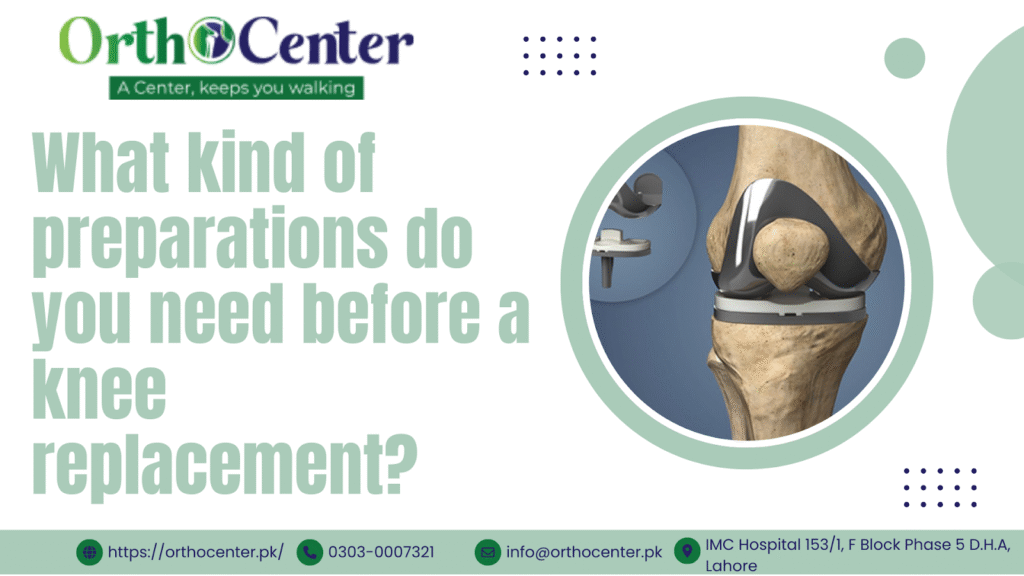
All the movements anyone makes somehow connect to the knee joint. Being the body’s largest joint, it contributes to walking, sitting, standing and maintaining balance. As it is involved in the majority of movements, it constantly keeps working. All make it highly susceptible to wear and tear over time. Moreover, various knee joint diseases, case in point osteoarthritis, rheumatoid arthritis, or past injuries can damage the knee joint. Their effect appears as pain, stiffness, and loss of mobility that can significantly affect daily life.
After experiencing failure of noninvasive methods like medication, physical therapy, and lifestyle changes, knee replacement surgery emerges as a safe and effective solution. It is also known as total knee arthroplasty. The procedure is about replacing the damaged joint surfaces with artificial components for the sake of restoring movement and relieving pain. However, the success of knee replacement surgery depends not only on the surgical technique but also on thorough preparation beforehand.
This guide will provide information about the necessary adjustments before a knee replacement which can be highly beneficial in ensuring quick recovery, minimizing complications, and guaranteeing successful long-term outcomes.
What is the necessary Pre-knee replacement planning?
Any operation is a complex strategy to address a medical condition. However, the case of any joint is more sensitive because of its link to mobility. The role of the knee joint is highly significant in this regard. It demonstrates the importance of preparation before a knee replacement. It is not only about the day of surgery, but also holds multiple aspects. Here are some of these
- Medical Preparations
Today’s good preparations can make tomorrow’s recovery much smoother. This elaborates why proper medical preparation is a critical first step before a knee replacement. It comprises blood testing, liver and kidney function, and blood clotting. Additionally, a chest X-ray and an electrocardiogram are crucial to assess the health of the heart and lungs.
Moreover, evaluation of any pre-existing medical problems minimizes the possibility of complications. Also, in view of the fact that certain drugs may interfere with anesthesia or affect the possibility of bleeding, examination of all medications is a must, including blood thinners, vitamins, and herbal supplements. Before undergoing surgery, confirmation of infections, whether dental, cutaneous, or even urinary infections, must be appropriately treated because even minor ones can interfere with the result of the knee replacement.
- Physical Preparation
Usually, it seems weird that before a knee replacement, an individual has to work on their physique, too. In truth, physical preparations are a significant factor that can amazingly speed up your recovery after the procedure, as well as increase the longevity of outcomes. Strengthening exercises or prehabilitation focus on the muscles around the knee. These comprise the quadriceps, hamstrings, and hips support joint stability and function.
Simple exercises like straight leg raises, seated knee extensions, ankle pumps, and mild stretches can make all the difference in how mobile you will remain after surgery. If you happen to be overweight, modest weight loss alone can lessen stress on the knee joint.
As a result, one can enjoy enhanced surgical outcomes and speed rehabilitation. Furthermore, light practice of using mobility aids such as walkers, canes, or crutches prior to surgery can also ease your transition after the operation.
- Lifestyle and nutrition
All efforts you make prior to your operation make your afterward period convenient and supportive of your joint health. One of these is adopting a balanced diet and a healthy lifestyle. Proteins, vitamins, and minerals in nutrition help augment the body’s immune system, quicken wound healing, strengthen muscles, and other tissues. For this purpose, one must consume lean meats, fish, eggs and dairy products. Moreover, whole grains, fruits and vegetables remain best if consumed regularly. The body will recover from the general anesthesia sooner if you drink many fluids in the days before the surgery.
Stopping smoking and drinking some weeks before the surgery lowers the risk of complications and helps the person heal. Adequate sleep, a healthy weight, and relaxation techniques help to cope with stress may help prepare you for surgery and allow a faster recovery.
- Home Preparation
There can be no second opinion on whether the environment you live in is highly impactful on your health. This is why, before taking a big step of knee operation, your home needs to align with your post-surgical needs. Once you return from the hospital, you are in a mode where your movement is limited for the first few weeks. Hence, your living space must be as accessible as possible.
Clear walking pathways. Remove loose carpeting, electrical cords or other obstacles. Keep frequently used items such as your phone, medication, or water within easy reach for yourself. A comfortable sitting area on the first floor of your house can ease step management. Other simple fixes include grab bars in the bathroom, using a shower chair, and raising toilet seats higher for easier use. A family member, friend, or caregiver may be needed to assist you at the time you eat, at the time you run errands or for transportation in the first few days after your surgery. All can help you focus on your recovery and heal sooner.
- Emotional readiness
Aside from physical and medical preparations, there is another unignorable aspect that is “emotional readiness”. If someone feels anxious, uncertain or fearful, it is quite natural. The actual thing is to manage these emotions and give them the right direction. The only way is to learn and completely understand the phases and what could possibly happen at each stage. This approach helps to build a positive mindset and confidence that can later reduce your stress. It could be done by talking openly with your surgeon, his team and therapist. They all can address your concerns and give practical guidance.
Surrounding yourself with supportive family members and friends can boost your morale. In addition, practicing relaxation techniques is of great help in promoting emotional balance. A positive attitude and mental preparedness not only make the surgical experience easier but also contribute to a smoother and faster recovery.
Wrapping up
To sum up, advancing techniques in surgical procedures, including joint replacement surgery, give you the flexibility to completely alter your knee joint if a disease, age, or injury damages it. However, the operating room is not the only place where the transformation occurs. Before a knee replacement, a multidimensional preparation is a way to be sure about excellent results and restoration of a healthy joint. These comprise medical assessments, making your body ready to accept the change, and, more importantly, mental readiness.
Moreover, preparing your home for your post-operation needs is also crucial. All the diligence, hard work and efforts for pre-surgical preparations pay you back in terms of successful and lasting outcomes.
Other Articles You May Find of Interest...
- What to Do If You Think You Have a Broken Tailbone
- Closed Reduction With External Fixation: How It Stabilizes a Fracture
- Knee Massager for Muscle Tension Around the Knee What You Need to Know
- What Life Really Looks Like a Year After Spine Surgery
- Gout or Bursitis? Why Joint Swelling Can Look the Same
- Broken Kneecap Recovery: How Long Healing Usually Takes
- The Thumb Grind Test: What Pain During It Can Mean