More Vascular Health Articles
Are There Hidden Dangers in Nattokinase Side Effects?
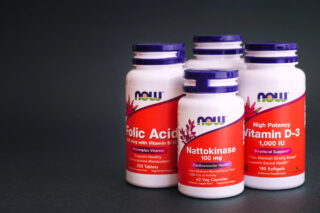
Nattokinase is a popular enzyme supplement derived from a traditional Japanese food called natto, which is fermented soybeans. While many people turn to nattokinase for its potential cardiovascular benefits, it’s important to be aware of nattokinase side effects that may affect some individuals. Understanding these side effects can help consumers make informed decisions about incorporating nattokinase into their health regimen.
Understanding Nattokinase Side Effects
Nattokinase has been studied for its potential effects on blood flow and clot-related pathways, but evidence for specific health outcomes remains limited. While this benefit is attractive, it also poses a potential risk, particularly for those who have bleeding disorders or are taking blood-thinning medications. If you’re considering nattokinase, it’s crucial to weigh both the potential benefits and side effects.
Commonly Reported Side Effects
The majority of nattokinase users do not experience significant side effects. However, some individuals might encounter minor gastrointestinal issues, such as nausea, diarrhea, or an upset stomach. These symptoms are generally mild and tend to resolve without intervention.
Potential Risks for Certain Health Conditions
Nattokinase has blood-thinning properties, which means it may not be suitable for individuals with certain health conditions or who are on anticoagulant medications like warfarin. Those with bleeding disorders, recent surgery, or impending medical procedures should exercise caution and consult with a healthcare provider before starting nattokinase. The interaction with blood thinners could amplify the risk of bleeding and warrant careful monitoring.
Furthermore, individuals with soy allergies should be aware that nattokinase is derived from soybeans, potentially triggering allergic reactions in sensitive individuals.
Precautions and Considerations
Before adding nattokinase to your supplement routine, consider the following precautions:
- Consult your healthcare provider if you have underlying health conditions or are on medication.
- Monitor for any signs of adverse reactions, such as prolonged bleeding or allergic reactions.
Appropriate consultation and caution can help mitigate the risks associated with nattokinase supplementation, allowing more people to confidently explore its potential benefits.
Nattokinase Compared to Other Supplements
When deciding between different types of blood circulation supplements, it’s useful to compare nattokinase with other options. For a broader understanding of how supplements like nattokinase might interact with different delivery forms (oral vs. intravenous), you might find our article on IV therapy vs oral supplements helpful.
Additional Information and Support
For those seeking further details on nattokinase and its effects, reputable sources can provide more scientific insights and studies on its safety and efficacy in various health contexts. Valuable and comprehensive information about health supplements and their impact can be found on Wikipedia, an external and authoritative source.
Nattokinase continues to be studied for potential cardiovascular effects, but awareness and education about its side effects are crucial to ensuring safety. Those interested should maintain open communication with healthcare providers and stay informed about developments in health supplement research.
Conclusion on Nattokinase Side Effects
In summary, while nattokinase offers potential benefits for enhancing blood flow and supporting cardiovascular health, it is vital for users to be aware of possible side effects. Individuals should make informed choices, considering personal health conditions and consulting with medical professionals when necessary to safely enjoy the positive attributes of this enzyme supplement.
- Nattokinase is derived from fermented soybeans.
- Potential side effects include gastrointestinal issues and increased bleeding risk.
- Consult with healthcare providers before use, especially if on blood thinners.
- Allergic reactions are possible for those with soy allergies.
- Stay informed through credible health sources for optimal safety.
What are the health benefits of nattokinase?
Nattokinase is commonly marketed for cardiovascular support, though evidence and appropriateness vary by individual.
Is nattokinase safe for everyone?
While generally considered safe for most people, those with bleeding disorders, soy allergies, or those on blood-thinning medication should consult a healthcare provider before starting nattokinase.
How is nattokinase typically used?
Nattokinase is commonly taken as a dietary supplement in capsule form. Users should follow dosage recommendations on the product label or as advised by a healthcare professional.
Can nattokinase replace prescription blood thinners?
Nattokinase should not be used as a substitute for prescribed blood-thinning medications. Always consult with a healthcare provider when considering changes to medications.
Are there interactions between nattokinase and other supplements?
Yes, nattokinase can interact with other supplements that affect blood viscosity or clotting. Discussing all supplements with a healthcare provider ensures safe and coordinated supplement use.
Other Articles You May Find of Interest...
- Black or Purple Skin Discoloration: Bruise, Blood Flow, or Emergency?
- Should You Exercise With a DVT? Movement and Safety
- Blood Clots in Pictures: What to Look For
- Venous Reflux: What It Is, Why It Happens, and What to Do About It
- Exploring the Anatomy and Functions of the Frontal Section of the Head
- Exploring the Fascinating Functions of Human Body Organs
- Can a 5 Day Juice Fast Lead to Effective Weight Loss?