More Health Technology Articles
How Technology Is Reshaping Risk Management for Home Care Businesses
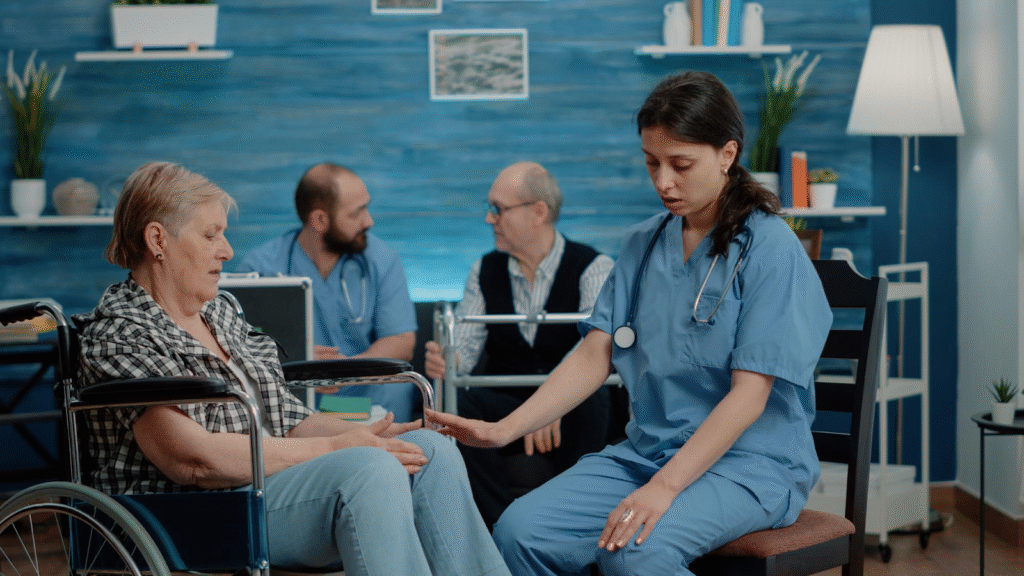
Technology is fundamentally transforming every sector, and home care is leading the way. Modern advancements are not just about progress; they are becoming a vital support system to enhance patient safety and implement proactive, personalized precautions. This technological revolution enables home care businesses to safeguard lives and provide peace of mind, ensuring patients remain secure even outside a hospital setting.
Home care businesses incorporate smart tools, important data, and apps to keep the patient safer and most active during emergencies. In the past, home care teams mostly became active and reacted when some accidents happened, like a fall, or a sudden medical issue, or in the case of a missed medication, or during a medical emergency like heart attacks or stroke. After the technological revolution, it provides an artificial mechanism providing a guideline to prevent and predict the problems, which physical teams can now use to be proactive. However, this has also paved the way for several misunderstandings; hence, insurance for home care businesses can help such companies safeguard their interests.
Technologies Transforming Home Care Business
Think of it this way: moving from relying only on people to having smart technology helping out is like giving home care companies a fantastic assistant. It’s not just better for the patients, it actually makes the whole business run smoother.
This change is a huge protection for the professionals. It helps keep them out of financial or legal trouble because they have a clear record and can often prevent issues before they even start. It saves them a ton of time and money in the long run.
There are different strategic tools and data-driven analytics like Artificial Intelligence (AI), Remote Patient Monitoring (RPM), Electronic Health Records (EHRs), and automation, which protect patients and help in mitigating risk factors. However, it may look costly at the first purchase or while taking first-time service, but in the long run, this seems to be beneficial as it can provide service for years, justifying the cost.
Remote Patient Monitoring (RPM)
It provides delicacy and care.Remote Patient Monitoring (RPM) uses safety devices in patients’ homes that send direct health information to nursing professionals and caregivers without much hustle. This involves-
- Sensor detection tools that give alarms during falls or unsafe activity.
- Pill boxes with advanced technology, also known as smart pill boxes that give reminders to patients for taking medicine.
- Oximeter or other smart devices that measure oxygen and blood pressure levels.
- Smart Watches or wearable wrist watches that measure steps, oxygen level, and heart rate, and also give a proper detection regarding a patient’s health.
RPM is a very important tool for home care professionals as they get real-time updates from these devices and are equipped with information regarding the patient’s health. RPM gives information about changes in breathing and any unusual activity.
Digital Care Platforms
A digital care platform is a much-needed tool for a home care professional because they have to take notes for tracking information, which is not possible with pen and paper. After all, there are chances of mistakes as they can miss out certain information which is necessary for a patient’s healthcare update. That is where these platforms come into play. The Digital Care Platform provides a list of benefits so that home care professionals take safety measures while serving their patients.
- It follows a digital checklist reminding the home care professionals what to do and what not for their patients.
- Gives alerts when someone is wrong, specifically during an emergency crisis.
- Helps in recording visit details of the home care professionals on a tablet or mobile.
- Also helps in setting reminders for a change in medicine.
- There are several to-do checklists that the home care professionals have to follow to record a proper healthcare history of their patients. Such platforms also take care of this.
Proper analytical documentation keeps the business safe and sound by securely documenting the patient’s health-related issues.
Video Calls with Telehealth
Basically, telehealth is like having a virtual front-row seat to the patient’s well-being. Instead of just reading a note or waiting for the next scheduled visit, the doctor or nurse can actually see the patient and the care professional on screen. This real-time connection means they get instant, regular health updates and can spot potential issues much sooner. It’s a super-efficient way for everyone to communicate and stay informed about the patient’s condition without the hassle of travel. It reduces delays in getting medical advice for the doctors and improves patient experience.
Conclusion
Technology is the biggest game-changer home care has seen. It’s the reason we can be proactive, not reactive, using smart tools to prevent falls and catch health changes before they become emergencies. This isn’t just nice for patients; it makes your care infinitely better and your company way more efficient. However, all this great tech, the apps, the patient data, the video calls come with a new catch of cyber risk. You’re collecting sensitive information, and you have to protect it.
That’s why you can’t overlook the basics. Pairing your innovative technology with a smart, comprehensive insurance plan for your home care business is absolutely non-negotiable. The tech handles the health risks. The insurance handles the business risks, especially the new ones that come from being digital. It’s the foolproof way to ensure you can deliver the highest quality care without constantly worrying about what might go wrong.
Other Articles You May Find of Interest...
- AI in Healthcare: Pros and Cons Patients Should Know
- Peptide Dosage Calculators: What Clinicians and Researchers Should Know
- How to Build a Remote Patient Monitoring Program That Supports Better Care
- How to Build HIPAA-Compliant Healthcare AI Solutions (Process, Cost, Vendors)
- How AI Video Is Transforming Patient Education and Healthcare Communication in 2026
- What Your Blood Pressure Actually Looks Like Between Appointments
- Dry Herb Vaporizers in Australia: Health, Safety, Technology, and Regulation