






More Woundcare Articles
Is Your Smashed Finger Swelling and Purple? Here’s What to Do
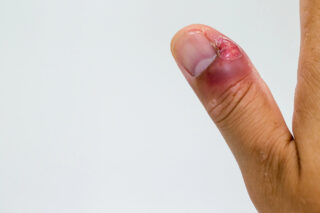
We’ve all been there: you accidentally smash your finger, and soon enough, it’s swelling and turning a purplish hue. This painful situation is something many people experience, and understanding how to manage it is crucial. A smashed finger swelling and purple is typically due to trauma and subsequent blood pooling under the skin, known as a subungual hematoma. While it’s generally not a cause for alarm, knowing the correct steps to handle it can make a significant difference in your recovery and comfort.
Understanding the Smashed Finger Scenario
When you jam or hit your finger hard enough to cause trauma, several things occur. Initially, the blood vessels within your finger may break, causing localized bleeding under the skin or nail. This bleeding is what gives the finger its swollen and discolored appearance. It can be quite painful, especially if pressure builds up under the fingernail, potentially requiring medical intervention to relieve the pressure.
Common causes of finger injuries include accidents at work, playing sports, or even household mishaps. While mild injuries can often be managed at home, more severe cases may require professional medical care.
Treating a Smashed Finger Swelling and Purple
The primary goal in treating a smashed finger is to minimize pain, control swelling, and prevent further damage. Here is how you can effectively care for your injured finger:
- Rest and Protection: Limit the use of the injured finger to prevent exacerbating the injury. Use protective padding or a splint if necessary.
- Ice Application: Apply ice to the affected area in 15-minute intervals to reduce swelling and numb pain.
- Elevation: Elevate your hand above heart level whenever possible to decrease swelling.
- Compression: Gently wrap the finger with a soft bandage to provide support and minimize swelling.
If the pain or swelling does not subside, or if your nail begins to lift, it’s advisable to seek medical attention. In some instances, the build-up of blood beneath the nail might necessitate a procedure to alleviate pressure and facilitate healing.
When to Seek Medical Advice
While many cases can be treated at home with simple steps, there are situations where professional help is needed. Seek medical advice if you notice any of the following symptoms:
- Severe or persistent pain that does not improve.
- Loss of function or mobility in the finger.
- Signs of infection, such as redness, warmth, or pus.
- The finger appears misaligned or deformed.
In some situations, a healthcare provider might perform an X-ray to rule out fractures or recommend other interventions to promote healing. It’s essential to follow their guidance closely to ensure the best recovery outcome.
Preventing Finger Injuries
Prevention is always better than cure. Here are some strategies to help avoid accidents leading to a smashed finger:
- Be mindful of surroundings and avoid distractions when performing tasks that involve your hands.
- Use protective gear when participating in sports or engaging in activities that could result in injury.
- Keep tools and equipment in good condition and use them as intended.
By adopting these measures, you can significantly lower the chances of experiencing a finger injury as cumbersome as a smashed finger swelling and purple.
What to Expect During Recovery
Recovery from a finger injury will depend on the severity but typically lasts between a few days to several weeks. During this period, it’s crucial to monitor any changes in the affected area and maintain diligent care practices. Most importantly, patience and proper care can alleviate discomfort and promote faster healing.
If you have any concerns about your progress or potential complications, do not hesitate to reach out to a healthcare professional who can provide personalized advice and reassurance during the recovery process.
- A smashed finger can cause swelling and discoloration due to trauma.
- Common treatments include rest, ice, compression, and elevation.
- Seek medical attention if you experience severe pain or potential infection.
- Prevent injuries by being cautious and using protective gear.
- Recovery time varies but is aided by attentive care and patience.
What should I do immediately after smashing my finger?
Apply ice to the injured area as soon as possible to reduce swelling and minimize pain. Keep the finger elevated and avoid using it to prevent further injury.
How can I tell if my finger is broken or just bruised?
A broken finger may exhibit severe swelling, intense pain, and difficulty moving or using the finger. If you suspect a fracture, consult a healthcare provider for an evaluation and potential X-rays.
Is it normal for my fingernail to change color after a finger injury?
Yes, discoloration beneath the nail after a trauma, known as a subungual hematoma, is common. It occurs due to blood pooling under the nail. If the nail begins to lift or you experience severe discomfort, seek medical attention.
Can I continue normal activities if my finger is swollen and purple?
It’s best to rest and protect the affected finger until the swelling subsides. Avoid activities that may cause further damage and follow recommended care tips.
What are signs of infection in a smashed finger?
Signs include redness, warmth, throbbing pain, and discharge of pus from the injured area. If you notice these symptoms, contact a healthcare provider to discuss appropriate treatment.
Other Articles You May Find of Interest...
- Why Some Wounds Won’t Heal and Where Hyperbaric Oxygen Therapy Fits In
- Why Home-Based Wound Care Can Improve Comfort and Quality of Life for Patients
- How Long Can Stitches Stay In After Surgery?
- BIASURGE® Advanced Surgical Solution: Uses and Key Considerations
- Antibiotic Ointment on New Piercings: Help or Harm?
- Other Names for Pus, and What Its Color Tells You
- Blue-Green Wound Drainage: A Sign to Act On





