






More Gastroenterology Articles
Is Goat Milk Lactose-Free? Exploring the Truth About Goat Milk and Lactose
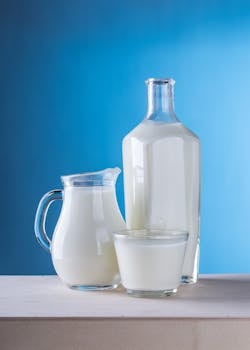
Many people looking for milk alternatives frequently ask, “Does goat milk have lactose?” It’s a common question because lactose intolerance affects a significant portion of the global population. Goat milk is often considered a potential alternative to cow’s milk, but the belief that it might be completely lactose-free is a misconception. Let’s explore the properties of goat milk and examine whether it contains lactose, along with its potential benefits and drawbacks for those who are lactose intolerant.
Does Goat Milk Have Lactose?
Yes, goat milk does contain lactose. Like cow’s milk and other mammalian milks, goat milk naturally has lactose. Although it generally contains slightly less lactose than cow’s milk, the difference is not significant enough to render it lactose-free. For people who are highly sensitive to lactose, even the small amount present in goat milk may cause discomfort.
Despite the presence of lactose, some individuals who are lactose intolerant may find goat milk easier to digest. This may be due to its unique composition. Goat milk contains smaller fat globules, which can make it easier for some to digest. Furthermore, goat milk has higher levels of medium-chain fatty acids and a protein structure that some find more tolerable than cow’s milk.
Exploring Lactose in Goat Milk: The Science Behind It
The question “does goats milk contain lactose” can be answered with a definitive yes. Lactose is a disaccharide sugar that is present in all mammalian milk, including that of goats. This sugar is broken down in the body by the enzyme lactase. In individuals with lactose intolerance, there is a deficiency of lactase production, leading to difficulties digesting lactose and causing symptoms such as bloating, diarrhea, and gas.
According to research, goat milk contains approximately 4.1% lactose, compared to the 4.7% found in cow milk (source). The marginally lower lactose content may not be enough for those with severe lactose intolerance but could be sufficient for those with mild to moderate intolerance.
Benefits of Goat Milk Beyond Lactose Content
While goat milk does have lactose, it may offer some nutritional benefits over cow’s milk for certain individuals. Goat milk is a rich source of calcium, protein, and essential vitamins such as vitamin A, B2, and potassium, making it a nutritious choice for many. Additionally, goat milk contains a higher proportion of short and medium-chain fatty acids, which can provide energy without being stored as body fat. Read more about the essential vitamins that support brain function in our related article.
Considerations for Consuming Goat Milk
If you are lactose intolerant or think you may be, it is important to consider how goat milk impacts your digestive health. While some people may tolerate it better due to the slightly reduced lactose content and unique fat composition, others may still experience symptoms. Therefore, it may be beneficial to first try a smaller quantity to assess your body’s reaction.
Furthermore, those who are allergic to dairy proteins should avoid goat milk. Protein allergies can often include reactions to similar proteins found in different types of milk, including goat and cow milk. Always consult a healthcare provider to understand which options are best suited for your dietary needs.
Alternatives for Those with Lactose Intolerance
For those seeking lactose-free alternatives, there are several options available. Almond milk, soy milk, and oat milk are popular choices that contain no lactose. These plant-based milks are fortified with vitamins and minerals to provide a balanced nutritional profile. Additionally, lactose-free cow’s milk is available, where lactose is broken down through an enzymatic process, making it digestible for most lactose-intolerant individuals.
Conclusion: Does Goat Milk Have Lactose? Final Thoughts
In conclusion, goat milk does contain lactose, though in slightly smaller amounts than cow’s milk. It is not suitable for individuals with severe lactose intolerance. However, those with mild intolerance might tolerate it better due to its distinguishing properties. Always consult with a healthcare provider to determine the best dietary choices for your individual circumstances. For more general health information, visit this educational resource.
- Goat milk contains lactose, albeit slightly less than cow’s milk.
- Individuals with lactose intolerance should proceed with caution when consuming goat milk.
- Goat milk has smaller fat globules, which may aid digestion for some.
- Plant-based milks like almond and soy are lactose-free alternatives.
- Consult with a healthcare provider for personalized dietary advice.
FAQ
Is Goat Milk Lactose-Free?
No, goat milk is not lactose-free. It contains lactose, though slightly less than cow’s milk.
Can People with Lactose Intolerance Drink Goat Milk?
Some people with mild lactose intolerance may tolerate goat milk better, but those with severe intolerance may still experience symptoms.
What Are the Nutritional Benefits of Goat Milk?
Goat milk is rich in calcium, essential vitamins, and protein. It also contains medium-chain fatty acids beneficial for energy.
Why Is Goat Milk Easier to Digest?
Smaller fat globules and different protein structure in goat milk may contribute to easier digestion for some individuals.
Are There Completely Lactose-Free Milk Options?
Yes, options like lactose-free cow’s milk, almond milk, soy milk, and oat milk are free from lactose.
Other Articles You May Find of Interest...
- Why You Get Stomach Bloating and Gas After Eating Meat
- Why Does Chick-fil-A Make My Stomach Hurt?
- Dr. Omar Marar on the Evolution of Modern Colorectal Surgery
- Pain Where Your Appendix Was Removed Years Ago: Possible Causes
- Why Multi-Strain Probiotics May Offer Broader Digestive Support
- What a Healthy Colon Looks Like During Colonoscopy
- A Better Digestive Rhythm: Everyday Habits for Preventing Occasional Constipation





