






More Women's Health & Beauty Articles
Could Increased Horniness Indicate Early Signs of Pregnancy or Your Period?
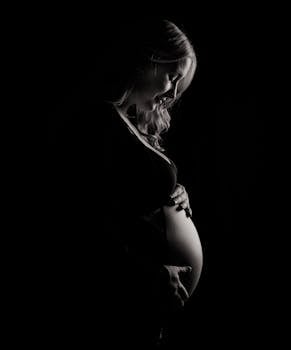
When a sudden increase in sexual desire occurs, many individuals find themselves wondering: is horniness an early sign of pregnancy or period? Both scenarios involve hormonal changes that can impact libido, but understanding the nuances can help clarify the cause. Let’s explore the reasons behind these changes and whether they might suggest pregnancy or the beginning of a menstrual cycle.
Is Horniness an Early Sign of Pregnancy or Period?
Hormonal fluctuations are a key player when it comes to changes in sexual desire. Both the menstrual cycle and pregnancy involve significant shifts in hormones, but they manifest differently. During early pregnancy, the body experiences an increase in hormones like estrogen and progesterone, which are essential for maintaining a healthy pregnancy.
These hormonal changes can affect mood and sexual desire. Many women report an increased libido during the early stages of pregnancy. Conversely, the menstrual cycle also involves rises and falls in hormone levels, particularly around ovulation and just before the period begins, which can similarly enhance sexual interest.
Understanding the Menstrual Cycle
The menstrual cycle is a complex series of events that prepares the body for a potential pregnancy each month. Hormones such as estrogen and progesterone rise and fall, influencing various bodily functions, including libido. For some women, sexual desire peaks around ovulation when estrogen levels are highest, while others may notice increased horniness just before their period due to premenstrual syndromes (PMS).
PMS can include a variety of symptoms, such as mood swings, bloating, and increased sexual desire. It’s important to remember that each woman experiences PMS differently, affecting libido in varying degrees. For more insight into healthy lifestyle choices, you might want to explore safe and effective approaches to weight control.
Pregnancy and Increased Libido
Early pregnancy typically brings a mix of joy and anxiety as the body undergoes significant changes. The surge in hormones necessary to sustain pregnancy can sometimes boost libido. Estrogen and progesterone are responsible for preparing the uterus for the developing fetus and maintaining the pregnancy.
Increased blood flow to the pelvic area during pregnancy can also contribute to heightened sensitivity and desire. If you suspect pregnancy due to changes in libido accompanied by other early signs such as nausea, fatigue, or a missed period, consider taking a home pregnancy test or consulting a healthcare provider for confirmation.
Other Factors Influencing Libido
Several other factors can affect sexual desire outside of hormonal changes related to menstruation or pregnancy. These include stress levels, emotional connections with partners, physical health, and medications. Stress, in particular, can suppress libido, while strong emotional bonds with a partner can enhance sexual desire.
Your overall health plays a significant role as well. Maintaining a balanced diet, regular exercise, and adequate sleep can promote a healthy libido. Furthermore, some medications can influence sexual desire, either increasing or decreasing it. It’s always a good idea to discuss any concerns about libido with a healthcare provider, who can provide personalized advice.
Navigating the Changes
Both pregnancy and menstrual cycles can impact libido, but they are not the only explanations for changes in sexual desire. Recognizing the signs and symptoms accompanying increased horniness can provide essential clues. While it can be one of the early signs of pregnancy or part of PMS, a sudden increase in libido alone is not definitive proof of pregnancy or an imminent period.
If your increased libido is accompanied by other early signs of pregnancy, such as fatigue, nausea, or changes in breast tenderness, take appropriate steps to confirm your suspicions. Likewise, if it’s PMS kicking in, you might observe mood swings, bloating, and irritability alongside the increased sexual desire.
For further understanding of the complexities of health-related issues, you can also refer to external resources such as information about health available on Wikipedia.
In Conclusion
Is horniness an early sign of pregnancy or period? The answer can vary based on individual experiences and additional accompanying symptoms. Monitoring these changes and other signs your body may exhibit will help in distinguishing whether increased sexual desire indicates pregnancy or a forthcoming menstrual cycle.
- Increased libido can be caused by hormonal changes in both pregnancy and periods.
- Ovulation and PMS often lead to changes in sexual desire linked to the menstrual cycle.
- Early pregnancy involves significant hormonal shifts that may increase libido.
- Several external factors like stress or emotional connection also influence libido.
- Consulting a healthcare provider can provide personalized insights into changes in libido.
What are the early signs of pregnancy?
Early signs of pregnancy can include missed periods, nausea, fatigue, frequent urination, and breast tenderness. However, these symptoms can vary significantly among individuals.
How does the menstrual cycle affect libido?
The menstrual cycle can influence libido at different points, particularly during ovulation and the premenstrual phase, when hormonal changes peak.
Can other factors outside of hormones affect sexual desire?
Yes, stress, emotional well-being, relationships, health, and medication can all impact sexual desire.
When should I consult a healthcare provider about changes in libido?
If you notice sudden, significant changes in libido or accompanying health symptoms that concern you, it is a good idea to consult a healthcare provider.
Are there natural methods to help regulate libido during cycle changes?
Maintaining a healthy lifestyle through diet, exercise, and stress management can help regulate libido. Discussing options with a healthcare provider further tailors strategies to individual needs.
Other Articles You May Find of Interest...
- 5 Common Reproductive Health Concerns and When to Seek Care
- Postpartum Health & C-Section Recovery
- What Breast Pain Usually Means, and Rarely Does
- Stretch Mark Treatments: A Pregnancy-First Guide for Expecting Moms
- When Should You Seek a Second Opinion for a Gynaecological Condition?
- The Brain Fog of Menopause Is Real and Does Not Necessarily Mean Early Dementia
- Menopause Diet for Weight Loss: What Works Now with Ayurveda Principles




