






More Woundcare Articles
What to Do If a Tick Head Is Stuck in Your Skin?
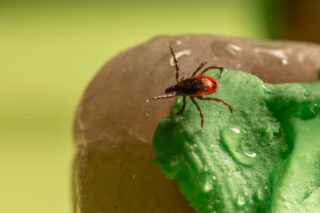
If you find yourself dealing with a tick head stuck in your skin, it can be both alarming and confusing. While most tick bites don’t result in serious health issues, knowing how to handle them correctly is important. Ticks are small arachnids that can attach to a host, and their heads sometimes remain embedded in the skin even after the body is removed. This can increase the risk of infection, so it’s essential to act promptly and properly.
What to Do When You Have a Tick Head Stuck in Your Skin
The first thing you should know is not to panic. If the tick’s body has detached but the head or mouthparts are still in the skin, follow these steps:
- Clean the area: Wash the bite area and your hands with soap and water. Disinfect the skin with an alcohol wipe or antiseptic.
- Remove the head: Use fine-tipped tweezers to grasp the tick’s head as close to the skin’s surface as possible. Pull upward with steady, even pressure. Avoid twisting or jerking, as this can cause the mouthparts to break off.
- Cleaning again: After removal, clean the area again and then wash your hands thoroughly.
- Save the tick: If you can, save the tick’s body (or head) for identification in case you need to see a doctor. Place it in a sealed plastic bag or container.
If you cannot remove the tick head yourself, or if you experience symptoms like a rash, fever, or flu-like symptoms, seek medical attention. It’s always a good idea to consult a healthcare provider for advice, especially if you are concerned about Lyme disease or other tick-borne illnesses.
Preventive Measures and When to Seek Medical Help
Preventing tick bites altogether is the best strategy. When outdoors, use insect repellent, wear long sleeves and pants, and stick to well-groomed trails. Performing regular tick checks can also help catch ticks before they bite.
Seek medical help if you cannot remove the tick’s head or if you develop signs of an infection such as redness, warmth, or swelling. Symptoms like severe headache, difficulty breathing, or palpitations also warrant immediate medical attention. Timely intervention can help mitigate potential complications.
Understanding how lifestyle choices impact your overall health can also play a role in managing tick encounters. For more tips on maintaining a healthy lifestyle, you can read about how lifestyle choices impact overall health.
Final Thoughts on a Tick Head Stuck in Skin
Having a tick head stuck in skin is not ideal, but it is manageable with the right steps. Always keep your skin clean, remove the tick head properly, and seek medical help if needed. By taking quick and effective action, you can reduce the risks associated with tick bites and maintain better overall health.
- Always clean the area around a tick bite before and after removal.
- Seek medical attention if you cannot remove the tick’s head or experience symptoms.
- Use preventive measures to avoid ticks when outdoors.
- Consult healthcare providers when concerned about possible tick-borne illnesses.
- Learn more from reputable sources like Wikipedia.
What should I do if I can’t remove the tick head myself?
If you can’t remove the tick head, it’s important to seek medical help. A healthcare provider can safely and effectively remove it for you, minimizing the risk of infection.
What are the signs of an infected tick bite?
Signs of an infection include redness, warmth, swelling, and pain at the site. Systemic symptoms like fever or flu-like symptoms may also occur, and these warrant medical attention.
How can I prevent tick bites?
Preventive measures include using insect repellent, wearing protective clothing, and performing regular tick checks, especially if you’ve been in wooded or grassy areas.
Is it necessary to see a doctor for every tick bite?
Not every tick bite requires a doctor’s visit. However, if you experience symptoms, or if the tick head is stuck in your skin, it’s advisable to consult a healthcare provider.
Can ticks carry diseases even if their head is not attached?
Yes, ticks can transmit diseases during a bite, so it’s crucial to remove them promptly and monitor for any symptoms afterward.
Other Articles You May Find of Interest...
- The Benefits of Mechanical Debridement for Wound Healing
- How to Effectively Debride a Wound for Optimal Healing
- Managing Hypergranulation Tissue: Effective Strategies for Healing
- Effective Solutions for Infected Tattoo Treatment
- Navigating the Challenges of Unstageable Pressure Injury Care
- Mastering Figure of Eight Suturing Techniques for Effective Wound Closure
- The Benefits of Z-Plasty in Scar Revision and Aesthetic Surgery




