






More Woundcare Articles
The Benefits of Mechanical Debridement for Wound Healing
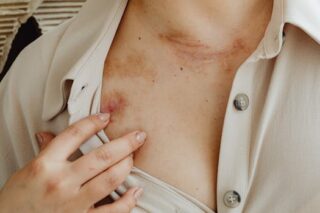
Wound healing is a critical aspect of recovery from injury or surgery, and effective treatment options are essential for optimal outcomes. One such method is mechanical debridement, a procedure aimed at removing dead, damaged, or infected tissue to facilitate better and faster wound healing. This practice is especially beneficial for patients with chronic wounds, as it helps to minimize infection risk and improve the healing environment.
Understanding Mechanical Debridement
Mechanical debridement involves the use of physical force to remove unhealthy tissue from a wound. This process is crucial in wound management, as it clears the way for healthy tissue to grow. By eliminating debris and reducing bacterial load, mechanical debridement contributes to accelerated healing and decreases the chances of infection.
The Process of Mechanical Debridement
This debridement technique can be performed using several methods, including wet-to-dry dressings, lavage with saline or other irrigants, and the use of various mechanical devices. Each method has its specific applications and benefits:
- Wet-to-dry dressings: This involves applying a moistened dressing to the wound, allowing it to dry, and then removing it along with any attached debris and dead tissue.
- Irrigation: This method uses a steady stream of saline or other liquid solutions to wash away tissue debris and contaminants from the wound bed.
- Mechanical devices: These devices, such as water jets or pulsatile lavage systems, apply controlled mechanical forces to efficiently debride the wound area.
Benefits of Mechanical Debridement
Mechanical debridement offers a range of advantages that make it a preferred choice in various clinical settings:
- Effectiveness: It effectively removes necrotic tissue and biofilms, which are common culprits in delayed wound healing.
- Simplicity: Mechanical debridement techniques, such as wet-to-dry dressings, are straightforward and can be performed regularly as part of routine wound care.
- Reduced infection risk: By maintaining a clean wound bed, the likelihood of infection diminishes considerably.
- Versatility: It can be used for different types and sizes of wounds, making it a versatile option for clinicians.
- Cost-efficiency: Many mechanical debridement methods are low-cost, making them accessible for various healthcare settings.
Considerations for Mechanical Debridement
While beneficial, mechanical debridement is not always appropriate for every patient or wound type. Understanding the context in which it should be applied is crucial:
- It is generally contraindicated for wounds with healthy granulation tissue or those in patients with poor blood supply.
- Patient comfort and pain management should be evaluated, as certain techniques may be uncomfortable.
- Close monitoring for signs of infection or increased wound bleeding is essential during the treatment process.
Complementary Approaches
Mechanical debridement is often combined with other therapeutic strategies to enhance wound healing outcomes. This multidisciplinary approach may include:
- Antimicrobial therapy: To further reduce infection risk.
- Moisture balance: Keeping the wound bed appropriately moist with special dressings.
- Nutrition: Addressing nutritional needs that support healing is vital, as proteins and vitamins play a significant role in tissue repair.
- Advanced therapies: Such as negative pressure wound therapy to enhance healing environments.
Consultation and Individual Care
Before starting mechanical debridement, a thorough evaluation by a healthcare provider is essential to ensure it is the most suitable option for the patient and wound type. This personalized care approach helps in tailoring the treatment to each patient’s unique needs, increasing the possibility of successful wound healing.
In conclusion, mechanical debridement serves as a valuable tool in wound care, offering multiple benefits that facilitate efficient healing. For those dealing with non-healing wounds, this technique provides a pathway to better recovery and improved health outcomes. Understanding its benefits and limitations allows healthcare providers to apply it effectively and enhance their patients’ wound healing journeys. For more detailed insights on health and care practices, consider exploring resources like this Wikipedia article on health.
- Mechanical debridement is key in managing chronic and acute wounds.
- Various methods, such as irrigation and dressings, are used in mechanical debridement.
- This method offers decreased infection risk and improved healing.
- Combining debridement with other therapies can enhance outcomes.
- Consult a healthcare provider for tailored wound care strategies.
What is mechanical debridement?
Mechanical debridement is the process of using physical methods to remove dead or unhealthy tissue from a wound to promote healing and reduce infection risk.
How does mechanical debridement promote healing?
By removing dead tissue, mechanical debridement reduces the bacterial load in the wound and provides a clean environment for healthy tissue to grow, accelerating the healing process.
What are some common methods of mechanical debridement?
Common methods include wet-to-dry dressings, irrigation with saline solutions, and the use of mechanical devices like water jets.
Are there any risks associated with mechanical debridement?
While generally safe, mechanical debridement can cause discomfort and should not be used on wounds with good blood supply or healthy granulation tissue. Monitoring for infection or excess bleeding is necessary.
Can mechanical debridement be used with other treatments?
Yes, it is often combined with antimicrobial therapies, moisture-balancing dressings, and nutritional support to enhance healing outcomes. A healthcare provider can tailor the combination to individual needs.
Other Articles You May Find of Interest...
- Does Neosporin Expire and How to Safely Use It?
- Effective Strategies for Preventing Sacral Decubitus Ulcers and Promoting Healing
- Essential Care: How Antibiotic Ointment Can Help with Tick Bites
- The Benefits of Mechanical Debridement for Wound Healing
- How to Effectively Debride a Wound for Optimal Healing
- Managing Hypergranulation Tissue: Effective Strategies for Healing
- Effective Solutions for Infected Tattoo Treatment




