More Woundcare Articles
Second Degree Burn Healing Stages Illustrated with Pictures
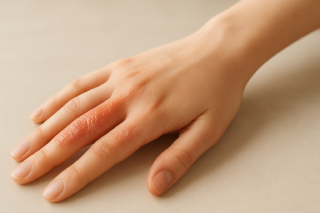
If you’ve ever had a burn and wondered how the healing process progresses, observing the second degree burn healing stages through pictures can be incredibly insightful. Second degree burns, which affect both the outer layer of skin and the layer beneath it, can be painful and require careful attention. Recognizing the signs of each healing stage can help in understanding whether the burn is healing appropriately or if it might need further medical intervention.
The Visual Journey of Healing
Second degree burns often start with intense redness, blistering, and swelling. Initially, the skin appears moist and blisters may form, filled with clear fluid. As healing progresses, the blisters may break, leading to a weepy, wet appearance. Viewing pictures of second degree burns at each stage can help in identifying which part of the healing journey you’re observing and whether everything is on track.
The Early Stages: First Days to One Week
Initially, a second degree burn is acutely painful and red, accompanied by blister formation. During the first few days, the blisters may increase in size and begin to break, leaving behind raw and sensitive skin. Using sterile dressings and following proper wound care is critical at this stage to prevent infection and promote healing.
Mid-Healing: One to Two Weeks
As the burn healing progresses into the second week, the open blisters and raw skin start to dry and form scabs. Pictures of a second degree burn during this stage may reveal a mixture of both dry and moist areas, indicating the skin’s attempt to regenerate itself. There may be some itching or tenderness as new skin begins to form underneath the scabbed areas.
Final Stages: Two Weeks and Beyond
In the concluding stages of healing, the scabs eventually fall off, revealing new, pinkish skin underneath. This new skin might be more sensitive and fragile, necessitating continued care and protection from the sun and other potentially harsh elements. Healing second degree burns pictures during this stage often capture the transformation from raw wounds to smooth, albeit discolored, skin.
When to Seek Care
While some second degree burns can be managed at home, it is crucial to know when professional help is necessary. You should consult a healthcare provider if the burn covers a large area, if it’s on the face, hands, or joints, or if there’s pus, increased redness, or fever indicating infection. A healthcare professional, such as a dermatologist or a burn specialist, can provide the appropriate care and guidance for serious or slow-healing burns.
Understanding the Challenges of Self-Care
Managing a second degree burn at home has its challenges, particularly when it involves recognizing signs of infection and applying appropriate dressings. It’s important to avoid breaking blisters intentionally and to always keep the area clean. Topical antibiotics or creams may be recommended to keep infection at bay, but these should only be used under the guidance of a clinician. Practicing good hand hygiene before treating your burn can also prevent complications.
Living with and Caring for Burns
Second degree burns can impact daily activities due to pain and sensitivity. Taking precautions such as avoiding sun exposure and using recommended ointments can protect the recovery skin. Regularly checking the progress against healing second degree burns pictures might also provide reassurance that the burn is healing as expected.
External Resources for Further Knowledge
For those who are eager to learn more about burns and their management, trusted external resources offer factual and comprehensive information about various health topics, including burn treatment and care strategies.
- Second degree burns involve damage to the top two layers of skin and can cause blistering and redness.
- Proper wound care is key to prevent infection and promote healthy healing.
- Keeping the burn moisturized and using sterile dressings can aid the recovery process.
- Professional assessment is essential if the burn doesn’t heal as expected, or if symptoms worsen.
- Following healing second degree burns pictures can offer insights into your burn’s progress.
Common Questions
When should I see a doctor for a second degree burn?
If you observe any signs of infection, such as increased redness, swelling, or pus, or if the burn doesn’t begin to scab or heal within two weeks, it’s advised to consult a doctor. Large or sensitive areas, such as the face or joints, should be evaluated promptly.
Who specializes in treating burns?
Burn specialists, commonly found in hospital settings, are expertly trained to handle such injuries. Dermatologists and general healthcare providers can also offer tailored care plans depending on the severity of the burn.
What causes a second degree burn?
These burns can occur from a variety of sources such as scalding liquids, severe sunburn, or contact with hot objects. Recognizing these risks in your environment can help in prevention.
How can I prevent infection for my burn?
To minimize infection risk, maintain cleanliness, use prescribed topical antibiotics if required, and change dressings whenever they become wet or soiled.
Can lifestyle choices affect burn healing?
Yes, choices such as a balanced diet and hydration can support the healing process. For more on how lifestyle impacts health, you might find value in this related article.
Understanding the second degree burn healing stages through pictures effectively demystifies the recovery process, offering reassurance and clarity throughout your healing journey.
Other Articles You May Find of Interest...
- Why Some Wounds Won’t Heal and Where Hyperbaric Oxygen Therapy Fits In
- Why Home-Based Wound Care Can Improve Comfort and Quality of Life for Patients
- How Long Can Stitches Stay In After Surgery?
- BIASURGE® Advanced Surgical Solution: Uses and Key Considerations
- Antibiotic Ointment on New Piercings: Help or Harm?
- Other Names for Pus, and What Its Color Tells You
- Blue-Green Wound Drainage: A Sign to Act On