






More Woundcare Articles
Mastering Wet to Dry Dressing Techniques for Optimal Wound Care
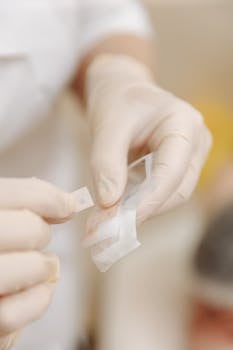
Proper wound care is essential for effective healing, and one technique often used in clinical settings is the wet to dry dressing. This method involves applying a moistened dressing to a wound and allowing it to dry, effectively removing dead tissue and contaminants as the dressing is changed. Understanding the process and purpose of wet to dry dressing can greatly enhance wound care outcomes.
Understanding Wet to Dry Dressing
Wet to dry dressing is an invaluable technique primarily used for wounds that have necrotic or devitalized tissue, which must be removed to promote healthy tissue formation. The process aids in mechanical debridement—the removal of dead tissue and debris—which can significantly improve the healing environment.
Materials Needed for Wet to Dry Dressing
To perform a wet to dry dressing change, you’ll need the following materials:
- Sterile gloves
- Saline solution
- Gauze pads
- Adhesive tape
- Scissors
- Antiseptic wipes
Steps for Applying Wet to Dry Dressing
The procedure for applying a wet to dry dressing is straightforward but requires careful attention to maintain a sterile environment and prevent infection:
- Clean the wound area: Begin by cleaning your hands thoroughly and donning sterile gloves. Use antiseptic wipes to clean around the wound site carefully.
- Moisten the gauze: Soak the gauze pads in saline solution. Wring out excess liquid so the gauze is damp but not dripping.
- Apply the gauze: Gently place the moistened gauze directly onto the wound. Ensure complete coverage of the affected area.
- Secure with dry gauze: Place a layer of dry gauze over the wet gauze and secure it with adhesive tape to keep it in place.
- Allow to dry: As the gauze dries, it adheres to dead tissue, making its removal (along with the dead tissue) effective.
- Change and repeat: Change the dressing regularly as advised by a healthcare professional to continue the healing process and reduce infection risk.
Benefits of Wet to Dry Dressing
Wet to dry dressing offers several benefits, particularly for chronic or complicated wounds:
- Effective debridement: By physically removing dead tissue, it cleanses the wound environment.
- Prevention of infection: Regular dressing changes help to keep the wound free from bacteria and other contaminants.
- Accessible and cost-effective: Often, the materials required are readily available and inexpensive.
Considerations and Alternatives
While wet to dry dressing is effective, it may not be suitable for all wound types. Factors such as wound size, depth, and exudate levels need consideration. Additionally, some patients may require alternative methods due to pain or specific medical conditions. Always consult with a healthcare provider to determine the most appropriate wound care strategy for individual needs.
Lifestyle Factors Affecting Wound Healing
Several lifestyle factors, such as nutrition and overall health, can impact how quickly and effectively a wound heals. Maintaining a healthy lifestyle with proper nutrition and exercise supports the body’s natural healing processes. To learn more about how your choices can influence healing and general health, visit our article on how lifestyle choices impact overall health.
External References
For further reading on wound care and relevant medical guidelines, consult the comprehensive resources available at Wikipedia’s Health section.
The technique of wet to dry dressing is a fundamental tool in the realm of wound care, offering an effective means to support the healing process. As with any medical procedure, it’s crucial to follow appropriate guidelines and consult healthcare professionals for personalized advice.
- Wet to dry dressing is used for mechanical debridement of wounds.
- It involves applying moistened gauze that adheres to dead tissue.
- The process must be conducted with sterile materials and care.
- Consult healthcare providers for tailored advice for specific wound care needs.
FAQ
What are the primary benefits of wet to dry dressing?
Wet to dry dressing helps remove dead tissue, reduces infection risk, and is generally accessible and cost-effective.
How often should wet to dry dressings be changed?
The frequency of changing wet to dry dressings depends on the wound type and healing progress. Always follow medical advice.
Can I perform wet to dry dressing at home?
While wet to dry dressing can be performed at home, it’s essential to understand the procedure and maintain a sterile environment. Consult a healthcare provider for guidance.
Are there risks associated with wet to dry dressing?
Potential risks include pain during dressing changes and potential for infection if not properly maintained. Consulting with a healthcare provider ensures appropriate care.
What should I do if my wound shows no sign of healing?
If a wound does not appear to heal, or if there are signs of infection, seek immediate medical attention to reassess the treatment strategy and ensure optimal healing.
Other Articles You May Find of Interest...
- Mastering Wet to Dry Dressing Techniques for Optimal Wound Care
- Effective Strategies for Managing Slough Wounds and Promoting Healing
- Does Neosporin Expire and How to Safely Use It?
- Effective Strategies for Preventing Sacral Decubitus Ulcers and Promoting Healing
- Essential Care: How Antibiotic Ointment Can Help with Tick Bites
- The Benefits of Mechanical Debridement for Wound Healing
- How to Effectively Debride a Wound for Optimal Healing




