






More Woundcare Articles
How to Effectively Debride a Wound for Optimal Healing
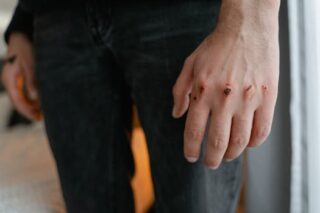
When it comes to wound care, understanding how to effectively debride a wound is critical for promoting optimal healing. Debridement is the process of removing dead, damaged, or infected tissue from a wound to improve the quality of healing. In this article, we will discuss different methods of debridement, considerations for safe practice, and the importance of seeking professional medical advice.
What Does It Mean to Debride a Wound?
The term “debride a wound” refers to the medical procedure of cleaning out the wound by removing non-viable tissue. This process helps in reducing the risk of infection and fosters a healthier environment for new tissue growth. Debridement can be achieved through several methods, which we will explore below.
Methods of Debridement
There are several techniques used to debride a wound, and the choice of method depends on factors such as the type of wound, the patient’s overall health, and the presence of infection.
Autolytic Debridement
This method involves using the body’s natural enzymes and moisture to rehydrate, soften, and finally liquefy hard eschar and slough. It is the most natural form of debridement and is usually done with the help of moisture-retentive dressings.
Surgical Debridement
Surgical debridement is a more aggressive method and is performed by a healthcare professional. It involves the use of scalpels or scissors to remove necrotic tissue. This approach is necessary when there is extensive tissue damage or infection.
Mechanical Debridement
This method uses an external force to remove dead tissue and debris. Techniques include hydrotherapy, wet-to-dry dressings, and irrigation. While effective, mechanical debridement can be painful, and care should be taken to avoid damaging healthy tissue.
Chemical Debridement
Chemical or enzymatic debridement uses topical solutions and enzymes to dissolve necrotic tissue. These agents are applied directly to the wound and are particularly useful for patients who cannot tolerate surgical procedures.
When to Seek Medical Advice
Although minor wounds can often be managed at home, it is important to seek professional medical advice for larger, potentially infected wounds. Dealing with complex wounds such as diabetic ulcers, pressure sores, or surgical wounds requires medical intervention. Professional assessment ensures the most appropriate debridement technique is selected and minimizes potential complications.
Risks Associated with Debridement
Debridement, while vital, carries certain risks. These include pain, bleeding, and potential infection. It’s crucial for the process to be performed or supervised by experienced healthcare providers. Patients should report any unusual symptoms like increased pain, redness, or discharge to a medical professional promptly.
Steps for Safe Practices
Whether you are managing a wound at home or in a clinical setting, following safe practices is essential:
- Maintain good hygiene by washing hands thoroughly before and after wound care.
- Use appropriate protective gear such as gloves when handling wounds.
- Follow medical advice and use only prescribed debridement methods and dressings.
- Regularly monitor the wound for signs of improvement or complications.
For those interested in improving their health holistically, incorporating regular exercise, even in a home gym, can boost overall wellness and immune response. Read more about the health advantages of working out in a home gym space.
Conclusion
Effectively debriding a wound is a critical step in ensuring fast and healthy recovery. Through understanding the various methods of debridement and recognizing when to seek medical attention, you can better manage wound care. Remember that maintaining good hygiene and following professional advice are key in avoiding complications.
For more information on wound care and health guidelines, visit this comprehensive resource.
Takeaways
- Debriding a wound promotes healthy tissue growth and prevents infection.
- Methods of debridement include autolytic, surgical, mechanical, and chemical.
- Consult a healthcare professional for complex or non-healing wounds.
- Adhere to safe practices to minimize risk during debridement.
- Enhance overall health through regular exercise and good nutrition.
FAQ
Why is debridement necessary?
Debridement is necessary to remove dead tissue that can impede healing and increase the risk of infection. It creates a more conducive environment for healthy tissue growth.
What are the signs a wound needs debridement?
Signs that a wound may require debridement include the presence of necrotic (blackened or yellowed) tissue, signs of infection, or when healing stalls or regresses.
Can all wounds be debrided at home?
Not all wounds can be safely debrided at home. Simple, small wounds might be managed with proper hygiene and dressings, but larger, complex, or infected wounds usually need professional care.
What should I do if a wound becomes more painful after debridement?
If a wound becomes more painful after debridement, it is important to consult a healthcare professional promptly, as this may indicate infection or other complications.
What are the benefits of surgical debridement?
Surgical debridement provides immediate removal of large areas of necrotic tissue, reduces the bacterial load, and accelerates the healing process, although it should only be conducted by qualified professionals.
Other Articles You May Find of Interest...
- Is Neosporin Effective for Treating Burns? Discover the Facts
- Healing and Managing Sh Scars Effectively
- Effective Bandages for Treating Blood Blisters and Promoting Healing
- When Is It Safe to Remove Stitches in Project Zomboid?
- Harnessing DDAVP for Effective Bleeding Management
- The Benefits and Uses of PDS Sutures in Surgical Procedures
- What is Purple Glove Syndrome and How Can You Manage It?



