






Your Health Magazine
4201 Northview Drive
Suite #102
Bowie, MD 20716
301-805-6805
More Women's Health & Beauty Articles
Tips For Long Term Care After Treating Vulvar Varicosities
Treating vulvar varicosities is an important step toward relieving discomfort, reducing swelling, and improving overall quality of life. However, long-term care plays a crucial role in maintaining results and preventing recurrence. Whether treatment involved conservative management or specialised care at a Sydney vein clinic, adopting the right habits and follow-up strategies can support ongoing vascular health and comfort.
Understanding Vulvar Varicosities
Vulvar varicosities are enlarged veins in the vulvar region, often associated with increased pressure in the pelvic veins. They are commonly seen during pregnancy but can also occur independently due to venous insufficiency.
Even after treatment, the underlying causes—such as circulation issues or hormonal influences—may still need to be managed to maintain long-term results.
Importance Of Long-Term Care
Post-treatment care is essential to:
- Prevent recurrence of varicose veins
- Support proper blood circulation
- Reduce discomfort or swelling
- Maintain overall vascular health
Consistent care helps patients preserve the benefits achieved through treatment and avoid future complications.
Maintain Healthy Circulation
Stay Physically Active
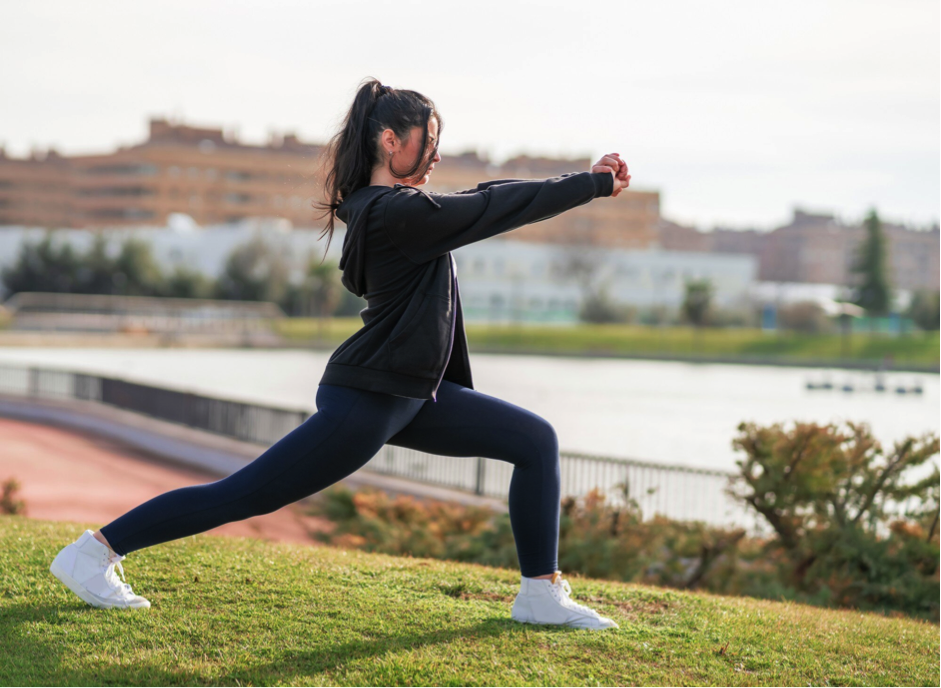
Regular movement is one of the most effective ways to support healthy blood flow. Activities such as walking, swimming, or light exercise help promote circulation and reduce pressure in the veins.
Avoid Prolonged Sitting Or Standing
Remaining in one position for extended periods can increase venous pressure. If your routine involves long hours of sitting or standing:
- Take breaks to move around
- Stretch your legs regularly
- Shift positions frequently
These simple actions can significantly reduce strain on the veins.
Wear Compression Garments
Compression garments are often recommended after treatment for vulvar varicosities. These garments help:
- Improve blood flow
- Reduce swelling
- Provide support to affected veins
Wearing compression as advised by your specialist can play a key role in long-term management.
Manage Weight And Lifestyle Factors

Maintaining a healthy weight reduces pressure on the pelvic and lower body veins. Patients are encouraged to:
- Follow a balanced diet rich in fibre
- Stay hydrated
- Avoid excessive salt intake to minimise fluid retention
These lifestyle adjustments contribute to better vascular health and overall wellbeing.
Hormonal Considerations
Hormonal fluctuations can influence the development of varicose veins. For some individuals, especially women who have experienced vulvar varicosities during pregnancy, hormonal management may be relevant.
Discussing options with a healthcare provider can help address any ongoing hormonal factors that may contribute to recurrence.
Post-Treatment Follow-Up
Regular follow-up appointments at a Sydney vein clinic are essential for monitoring progress and identifying any early signs of recurrence. During these visits, specialists may:
- Assess vein health using imaging techniques
- Evaluate symptoms or changes
- Recommend additional treatments if necessary
Early detection of issues allows for timely intervention and better outcomes.
Practice Proper Hygiene And Skin Care
Maintaining good hygiene and skin care in the vulvar area is important for comfort and preventing irritation. Patients should:
- Use gentle, non-irritating products
- Avoid tight or restrictive clothing
- Keep the area clean and dry
These practices help support healing and reduce discomfort.
Avoid Strain And Heavy Lifting
Excessive strain can increase pressure in the pelvic veins. To minimise this risk:
- Avoid heavy lifting when possible
- Use proper lifting techniques
- Engage core muscles to reduce strain
Reducing physical stress on the body supports long-term vein health.
Consider Future Pregnancies
For individuals who developed vulvar varicosities during pregnancy, it is important to discuss future pregnancies with a specialist. Preventive measures may include:
- Early use of compression garments
- Monitoring vein health throughout pregnancy
- Implementing lifestyle adjustments to reduce pressure on veins
Proactive care can help minimise recurrence during subsequent pregnancies.
Recognise Signs Of Recurrence
Being aware of early symptoms allows for prompt management. Patients should monitor for:
- Swelling or heaviness in the vulvar area
- Visible enlarged veins
- Discomfort or aching
If any of these symptoms reappear, seeking advice from a Sydney vein clinic can help address the issue before it progresses.
Emotional And Physical Wellbeing
Managing vulvar varicosities is not only about physical health but also emotional comfort. Persistent symptoms can affect confidence and daily activities. Seeking professional support and maintaining open communication with healthcare providers can improve both physical and emotional wellbeing.
Conclusion
Long-term care after treating vulvar varicosities is essential for maintaining results and preventing recurrence. By focusing on healthy circulation, lifestyle management, regular follow-ups, and proper self-care, patients can support ongoing vein health and comfort.
Ongoing guidance from a Sydney vein clinic ensures that any changes are monitored and addressed promptly. With consistent care and attention, individuals can enjoy lasting relief and improved quality of life after treatment.
Other Articles You May Find of Interest...
- Family Planning and Contraception: A Complete Guide to Informed Choices
- Tips For Long Term Care After Treating Vulvar Varicosities
- Why Regular Gynecological Checkups Are Essential for Early Detection
- Understanding Uterine Fibroids: Early Signs Every Woman Should Know
- Fordyce Spots on the Labia: Treatment Options and When to See a Doctor
- How to Increase Neutrophils During Pregnancy and Support a Healthy Immune System
- Bridging Psychology and Physique in Women’s Health




