






More Women's Health & Beauty Articles
Papular vs Macular: Understanding the Key Differences in Skin Conditions
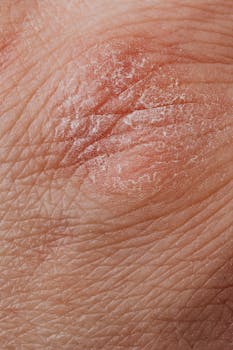
When it comes to skin conditions, understanding the differences between papular and macular conditions can be vital for appropriate management and treatment. The term “papular vs macular” often arises in dermatology, referring to two distinct types of skin manifestations that can appear similar but have different characteristics and implications. Knowing how to distinguish between these two types can help in identifying the underlying causes and deciding the best course of action.
What Are Papular Skin Conditions?
Papular skin conditions are characterized by papules, which are small, raised bumps on the skin. These bumps can vary in size, color, and number, and may be caused by a variety of factors, including infections, allergies, or inflammatory conditions. Common papular conditions include acne, dermatitis, and warts.
Papules are often less than 5 millimeters in diameter, and while they may appear for a range of reasons, they are generally due to a reaction happening beneath the surface of the skin. Understanding the precise nature of the papular rash can significantly affect treatment options and outcomes.
Causes of Papular Skin Conditions
Papular conditions can stem from various causes, including allergic reactions, infections, or autoimmune responses. For instance, allergic contact dermatitis is a common cause of papules due to exposure to allergens. Infections like chickenpox or molluscum contagiosum result in papular eruptions as well.
In many cases, papules are harmless and may resolve on their own, but it’s crucial to identify the underlying cause to prevent recurrences and manage symptoms effectively.
Understanding Macular Skin Conditions
Macular skin conditions, on the other hand, are characterized by macules, which are flat, discolored spots on the skin. Unlike papules, macules are not raised and do not cause the skin to swell. They are usually a result of pigment changes in the skin and can be a sign of a broader health issue or a harmless variation.
Common examples of macular conditions include freckles, vitiligo, and certain types of rashes, which can vary in size, number, and location on the body.
Causes of Macular Skin Conditions
Macules are often the result of changes in skin pigmentation due to factors like sun exposure, hormonal changes, or certain medications. For example, sunspots or age spots commonly appear in individuals with prolonged sun exposure. Vitiligo causes depigmented macules due to the loss of melanocytes.
Macular conditions usually do not require immediate medical attention unless they lead to discomfort or are indicative of a more severe underlying condition.
Papular vs Macular: Key Differences
The primary difference between papular and macular conditions lies in their physical characteristics. Papules are raised bumps, indicating some level of inflammation or external pressure, while macules are flat, representing changes beneath the skin’s surface rather than on it. Understanding these differences can aid in diagnosing the root cause of a skin issue and formulating an appropriate treatment plan.
- Explore more about balanced approaches to health, including skin management.
- Consult a healthcare professional if you notice changes in your skin that persist or cause concern.
- Ensure to use sun protection to avoid pigmentation changes like macules.
Maintaining Skin Health
Preventive measures and good skincare practices are essential in managing both papular and macular conditions. This includes using sunscreen to protect against UV damage, maintaining a balanced diet, and avoiding known allergens.
Moisturizing the skin regularly and adhering to recommended skincare routines can also help manage the appearance of both papules and macules, promoting overall skin health.
When to See a Dermatologist
If you have persistent skin changes or signs of infection, a visit to the dermatologist is advisable. They can provide a more comprehensive evaluation and suggest tailored treatments that address your specific condition.
Regular skin checks are advisable to monitor any changes in skin appearance, particularly if you have a family history of skin conditions or spend a lot of time outdoors.
Conclusion
Understanding the distinctions between papular vs macular skin conditions is crucial for proper identification and treatment. While both can manifest in various forms and due to differing causes, recognizing them can help in taking the correct action and maintaining healthy skin.
- Papular conditions involve raised bumps due to inflammation or reaction.
- Macular conditions are flat, discolored areas, indicative of pigment changes.
- Both conditions can stem from a wide range of causes.
- Regular skin care and protection can prevent or lessen these conditions.
- Consult a professional for personalized skin health advice.
What causes papular skin conditions?
Papular skin conditions can be caused by allergies, infections, or inflammation. They are characterized by small, raised bumps on the skin.
Are macular skin conditions harmful?
Macular conditions are often harmless but can indicate pigment changes in the skin. They should be evaluated if they persist or change over time.
How can I treat papular skin conditions?
Treatment for papular skin conditions depends on the underlying cause but may include topical medications, avoiding allergens, or treating infections.
Can macules become papules?
Macules and papules are distinct skin manifestations, but certain conditions may exhibit both on the skin simultaneously.
Where can I learn more about skin health?
You can visit credible sources such as Wikipedia’s Health section to learn more about maintaining healthy skin.
Other Articles You May Find of Interest...
- Navigating Frequent Urination During Pregnancy: What to Expect and When it Begins
- Can Norethindrone Help Manage Your Menstrual Cycle?
- Discover the Health Benefits of Wild Yam Root for Women’s Wellness
- Navigating Low Grade Squamous Intraepithelial Lesion: Key Insights for Better Health
- Navigating Changes: What to Expect with Pregnancy Nipples
- Managing Period Cramps During Pregnancy in the Third Trimester: What You Need to Know
- Discover Birth Control Options That Won’t Cause Weight Gain



