






More Women's Health & Beauty Articles
Is Your Pregnancy Test Telling the Truth? Understanding False Negatives
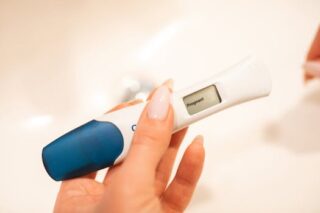
When faced with the anticipation or uncertainty of a possible pregnancy, one thing is clear: you want accurate results from your pregnancy test. However, sometimes a pregnancy test might yield a false negative result. A false neg preg test occurs when the test indicates you’re not pregnant, but you actually are. Understanding the reasons behind false negatives can help in interpreting your test results and deciding on your next steps.
What Causes a False Neg Preg Test?
Several factors can contribute to a false negative pregnancy test. The timing of the test plays a crucial role. Testing too early in your pregnancy can result in lower levels of hCG (human chorionic gonadotropin), the hormone that pregnancy tests detect. If the hCG level is below the sensitivity threshold of the test, you might see a negative result even if you are pregnant.
Another potential cause is taking the test incorrectly. Each test kit comes with specific instructions, and not following them can affect the result. For instance, using an insufficient sample or reading the results too early or too late can lead to inaccurate outcomes.
The Role of Test Sensitivity
Different pregnancy tests have varying levels of sensitivity to hCG. Tests with higher sensitivity can detect lower levels of the hormone, potentially providing a positive result earlier. It’s important to choose a test with the right sensitivity for your needs, especially if your menstrual cycle is irregular, making it difficult to estimate the timing accurately.
When’s the Best Time to Test?
Experts generally recommend waiting until after you’ve missed your period to take a pregnancy test. This timing is usually when hCG levels are more likely to be high enough to detect, minimizing the risk of a false negative result.
For those who have been trying to conceive for a while, determining the best course of action can feel daunting. Consider exploring deeper insights into fertility issues by reading this comprehensive guide on understanding infertility challenges.
Can Medication Affect Results?
Certain medications, particularly those that affect hormones, could potentially interfere with pregnancy test results. However, most common medications do not significantly alter the outcome. Always check the information or consult a healthcare professional if you’re concerned about interactions.
Managing Uncertainty and Next Steps
If you receive a false neg preg test result, and your period still hasn’t arrived, consider waiting a few days before testing again. This waiting period allows time for hCG levels to rise to a more detectable concentration.
In situations where multiple tests yield conflicting results, it might be advisable to consult with a healthcare provider for a more definitive blood test or evaluation. Blood tests can detect even lower levels of hCG and provide more certainty.
Medical Consultation is Key
Healthcare providers can offer guidance and additional testing, if necessary. Discussing symptoms or concerns with a medical professional ensures that you get the personalized advice you need for your specific situation.
To learn more about how pregnancy tests work and other related health topics, consider visiting an authoritative source like this Wikipedia page on pregnancy tests.
Conclusion
While the anxiety of uncertain test results is understandable, knowing about the factors contributing to a false neg preg test can help in managing the situation effectively. Remember to follow test instructions carefully, consider the timing of your test, and consult healthcare professionals when needed.
- False negatives on pregnancy tests are not uncommon.
- Early testing is a common reason for inaccurate results.
- Following test instructions is crucial for accuracy.
- Consult a healthcare provider if you suspect an error.
- Waiting can improve accuracy, allowing hCG levels to build.
Frequently Asked Questions
What is a false negative pregnancy test?
A false negative pregnancy test occurs when the test shows you’re not pregnant, but you actually are due to testing too early or having low hCG levels.
How can I avoid a false negative result?
To avoid false neg preg test results, ensure you test after your expected period and follow the test instructions carefully. Retesting a few days later can also help confirm results.
Do all pregnancy tests have the same sensitivity?
No, pregnancy tests vary in sensitivity. Some can detect lower levels of hCG earlier than others. Check test packaging for sensitivity details.
Can a blood test confirm pregnancy more accurately?
Yes, blood tests can detect lower hCG levels than home tests and provide a more accurate confirmation of pregnancy.
When should I consult a doctor regarding test results?
If you’re getting unclear or inconsistent home pregnancy test results, or if you have any health concerns, it’s best to consult with a healthcare professional for guidance.
Other Articles You May Find of Interest...
- Navigating Frequent Urination During Pregnancy: What to Expect and When it Begins
- Can Norethindrone Help Manage Your Menstrual Cycle?
- Discover the Health Benefits of Wild Yam Root for Women’s Wellness
- Navigating Low Grade Squamous Intraepithelial Lesion: Key Insights for Better Health
- Navigating Changes: What to Expect with Pregnancy Nipples
- Managing Period Cramps During Pregnancy in the Third Trimester: What You Need to Know
- Discover Birth Control Options That Won’t Cause Weight Gain



