






More Women's Health & Beauty Articles
Do Women Have Groins? Discover the Truth About Female Anatomy
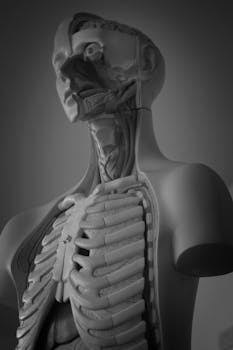
When exploring human anatomy, many people wonder about the differences between men and women, especially regarding certain body parts. This leads to questions like: do women have groins? The short answer is yes. Both men and women have a groin area, although it might not always be referenced as such in discussions of female anatomy.
Do Women Have Groins? Exploring the Anatomy
The groin area in both men and women includes the region where the abdomen meets the legs. It contains vital structures such as muscles, nerves, and lymph nodes. In women, the groin can be associated with the upper inner thigh area and includes parts of the reproductive system like the ovaries and fallopian tubes situated deeper within the pelvis.
Understanding that women do indeed have groins is important for grasping certain health aspects. For instance, women can experience groin pain due to various conditions. This pain might stem from muscle strain, ovarian cysts, or even conditions like hip bursitis.
Common Conditions Affecting the Female Groin
Women might face certain health issues that influence the groin area. Here are a few conditions worth noting:
- Inguinal Hernias: Although often associated with men, women can also develop inguinal hernias. They occur when abdominal contents push through a weak spot in the abdominal muscles.
- Groin Strains: Typically from physical activities, strains can happen when muscles in the groin area are stretched too far, causing pain.
- Lymph Node Swelling: Infections or other diseases can lead to swollen lymph nodes in the groin, indicating the body’s response to an underlying issue.
The Role of Muscles and Ligaments
The muscles and ligaments in the groin area are crucial for movement and stability. The adductors, a group of muscles in the inner thigh, play a key role in moving the legs inward. Ligaments in the pelvis also support organs and articulate joints, underlining the importance of the groin beyond mere anatomy.
Groin Health: Exercises and Care
Maintaining a healthy groin area involves regular exercise and care. Strengthening exercises targeting the core and inner thigh can bolster muscle integrity, reducing the risk of strains.
- Resistance Training: Exercises like squats and lunges can enhance muscle strength, supporting the groin and pelvic area.
- Stretching: Consistent stretching prevents tightness in the groin muscles, which can be a cause of injuries.
It’s equally important to listen to your body. If discomfort or pain arises in the groin, consulting a healthcare provider is advisable. Proper diagnosis and management of any problems can ensure long-term health and mobility.
When to Consult a Doctor
If you experience persistent groin pain or notice unusual swelling or lumps, it’s essential to seek medical advice. Timely consultation can help address issues before they escalate, facilitating proper treatment and recovery.
Additionally, having a detailed perspective on women’s experiences with conditions that may affect the groin can be enlightening. You can read more about TMD from a woman’s perspective for an example of how systemic conditions might influence women’s health.
Closing Thoughts on Women’s Groin Anatomy
In conclusion, the answer to “do women have groins” is a definitive yes. This area holds significant importance due to its anatomical and functional roles. Taking care of the groin area through exercise, monitoring for pain, and seeking professional advice when needed can make substantial differences in maintaining overall health.
For more comprehensive health information, consider visiting Wikipedia’s Health page which offers a broad range of insights into general health topics.
- Women do have groins, similar to men.
- The groin area comprises muscles, ligaments, and lymph nodes.
- Conditions like hernias and strains can affect the female groin.
- Regular exercise and medical consultation can promote groin health.
- Professional advice is crucial for persistent groin issues.
FAQ
What is the primary function of the groin area?
The groin area supports movement and stability, containing muscles and ligaments critical for leg movement and structural support.
Are groin strains common in women?
Yes, groin strains occur in women, especially those engaging in physical activity or sports. Proper warm-ups and stretching can reduce the risk.
Can women experience hernias in the groin area?
Women can experience inguinal hernias, where tissue protrudes through weak abdominal spots.
What symptoms indicate a potential groin issue?
Groin pain, swelling, or the presence of lumps may suggest an underlying condition, warranting medical consultation.
Is exercise beneficial for groin health?
Yes, exercise strengthens the muscles and ligaments around the groin, potentially reducing injuries. Regular stretching also aids in maintaining flexibility.
Other Articles You May Find of Interest...
- Bacterial Vaginosis or Yeast Infection Which One Do You Have?
- Discover the Surprising Health Benefits of Cloves for Women
- Do Women Have Groins? Discover the Truth About Female Anatomy
- Gas Issues in Pregnancy: Do They Indicate a Boy or Girl?
- Bacterial Vaginosis or Yeast Infection Which One Do You Have?
- Recognizing the Symptoms of High Estrogen in Women for Better Health
- Navigating Menopause: Coping with Aching Breasts and Tenderness




