






More Women's Health & Beauty Articles
Coping with Perimenopause Hair Loss: Tips for Thicker, Healthier Hair
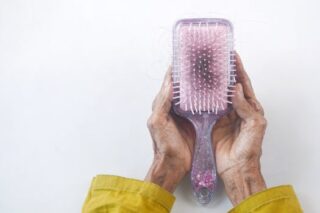
Hair loss during perimenopause can be a distressing experience for many women. As hormone levels begin to fluctuate, changes in hair texture, thickness, and volume often occur. Understanding perimenopause hair loss and exploring different ways to manage it can help women maintain confidence and feel their best.
Understanding Perimenopause Hair Loss
During perimenopause, the transition period before menopause, the body’s production of estrogen and progesterone declines. This hormonal shift can affect the natural hair growth cycle, leading to increased shedding and hair thinning. In some cases, this can progress to noticeable hair loss, which can have significant emotional and psychological impacts.
Why Does Hair Loss Occur During Perimenopause?
Several factors contribute to perimenopause hair loss. Hormonal fluctuations, especially reduced estrogen levels, play a significant role. Estrogen helps hair grow faster and stay on the head longer, so when levels drop, hair may become finer and may fall out more easily. Genetic factors can also predispose some women to experience more severe hair thinning or loss.
Lifestyle Factors That May Influence Hair Health
Besides hormonal changes, lifestyle factors such as diet, stress, and overall health can impact hair health. A well-balanced diet that includes essential nutrients like iron, zinc, and vitamins can support hair health. Learn more about nutrients that can benefit hair and brain health in this article about vitamins for brain fog and memory.
Effective Strategies to Manage Perimenopause Hair Loss
While it may not be possible to entirely prevent perimenopause hair loss, there are several strategies that can help manage and potentially reduce its impact. Here are a few approaches that may be beneficial:
Hair Care Regimen
Adopting a gentle hair care routine can make a considerable difference. Avoid harsh chemical treatments and minimize the use of heat styling tools. Opt for softer shampoos and conditioners that are formulated for fine or thinning hair.
Dietary Considerations
A healthy diet is crucial for hair health. Incorporating a variety of fruits, vegetables, lean proteins, and healthy fats can provide the nutrients needed for healthy hair growth. Supplements like biotin or omega-3 fatty acids might be considered, but it’s important to consult with a healthcare provider before starting any new supplements.
Stress Management Techniques
Stress is known to contribute to hair loss, so finding effective ways to manage stress can be beneficial. Techniques such as yoga, meditation, or deep breathing can help maintain a balanced state of mind.
Medical Treatments
If hair loss is substantial, some medical treatments might be recommended. Topical treatments or therapies such as low-level laser therapy are options that some women might explore under the guidance of a healthcare provider.
Looking Forward
Coping with perimenopause hair loss requires understanding and a proactive approach. It is helpful to embrace this transition with a positive outlook while trying different strategies to manage hair health. Additionally, consulting with a healthcare provider can provide personalized guidance.
Addressing perimenopause hair loss is not just about maintaining the appearance of your hair but also about nurturing your overall well-being and confidence. Visit this comprehensive overview of health on Wikipedia for more information on maintaining a healthy lifestyle.
- Perimenopause may affect the natural hair growth cycle.
- Lifestyle factors like diet and stress play a role in hair health.
- Gentle hair care practices can help manage hair loss.
- Medical treatments are available for more severe cases.
FAQ
What is the primary cause of hair thinning during perimenopause?
The primary cause of hair thinning during perimenopause is hormonal changes, specifically a reduction in estrogen and progesterone levels.
Can diet affect hair health?
Yes, a balanced diet rich in essential nutrients can support hair health. Incorporating foods that contain vitamins, minerals, and healthy fats is beneficial.
Are there treatments for hair loss available?
There are several treatment options, including topical treatments, supplements, and medical therapies such as low-level laser therapy. Consultation with a healthcare provider is recommended.
Is stress a contributing factor to hair loss?
Yes, stress can exacerbate hair loss. Practicing stress management techniques can be helpful in reducing its impact on hair health.
Should I consult a healthcare provider about perimenopause hair loss?
It is generally a good idea to consult with a healthcare provider about hair loss to explore potential treatments and receive personalized advice suited to your health needs.
Other Articles You May Find of Interest...
- Coping with Perimenopause Hair Loss: Tips for Thicker, Healthier Hair
- Navigating Schizophrenia During Pregnancy: Essential Insights for Expecting Mothers
- Why Am I Spotting Two Days Before My Period?
- Overcoming Pregnancy Exhaustion: Tips for Boosting Your Energy
- Boosting Your Hormonal Health: Effective Ways to Stimulate Estrogen
- Causes and Solutions for Abdominal Pain in Women on the Right Side
- Navigating the Challenges of Monoamniotic Twins Pregnancy




