






More Weight Control, Nutrition & Exercise Articles
The Rise of Low-Impact Fitness: Why It’s Transforming Modern Health Routines
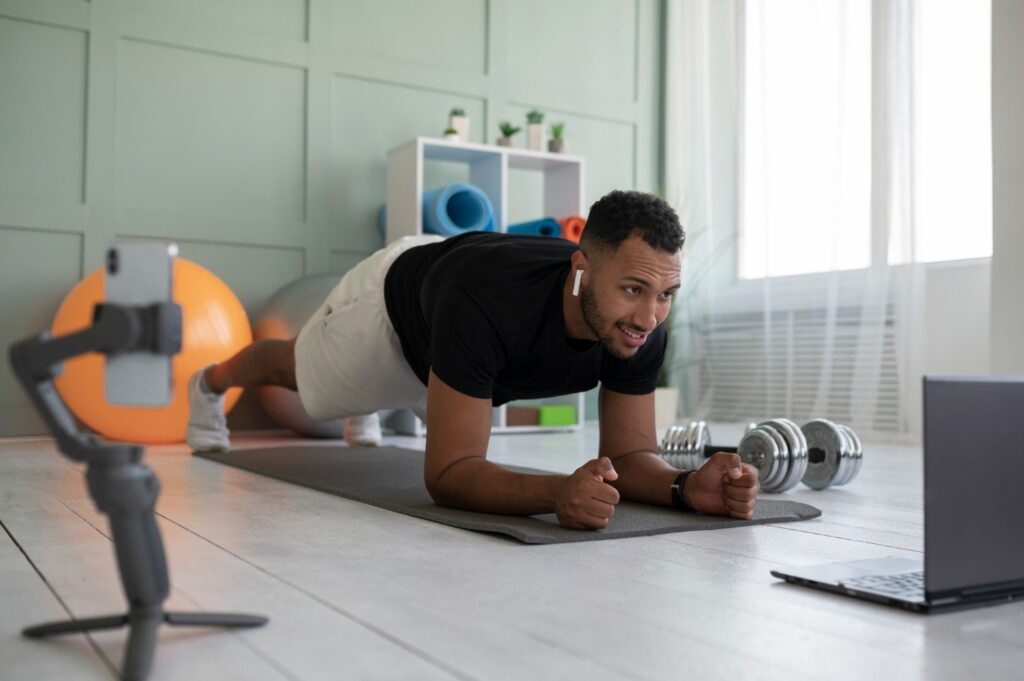
Lately, things in fitness have started to change. Not so long ago, hard workouts ruled most gyms – now quieter options draw bigger crowds. Health goals aren’t just about pushing limits anymore; they include staying safe and moving steadily over time. Starting? Short on hours? Healing from a strain? Gentle movement fits without forcing extremes. The focus leans less on sweat, more on consistency that lasts.
What Is Low-Impact Fitness?
Easy-on-the-joints exercise brings real health perks without rough demands on the body. Instead of sprinting or explosive routines, these moves favor smooth patterns, balance, and lasting effort. Bouncing is rare here – motion flows instead. Power builds quietly through consistency, not force. Joints stay protected even as strength grows. Rhythm matters more than speed. Movements link like steady waves, never jarring the frame.
Common forms of low-impact exercise include:
- Pilates
- Yoga
- Swimming
- Cycling
- Walking
These activities reduce the risk of injury while still improving cardiovascular health, muscle tone, and flexibility.
Why Low-Impact Workouts Are Gaining Popularity
What’s driving the rise in low-impact workouts? Ease of access plays a big role. Anyone, young or older, fit or just starting out, finds it simple to join in – no pressure, no stress. Starting slow feels natural here.
Spending too much time seated shapes how we move each day. Because of this, many people carry tension where they should feel support. Slow-motion movement retrains balance without strain. Strength builds quietly when motion stays gentle. Alignment shifts happen most when effort feels almost invisible.
Sustainability matters just as much. Short bursts of intense effort might deliver results, yet they often fall apart when life gets busy. Gentle movement sticks around longer, quietly becoming part of the daily rhythm. That quiet presence shapes lasting patterns without force.
Physical Benefits of Low-Impact Exercise
Low-impact workouts offer a wide range of physical benefits that go beyond simple weight management.
1. Joint Protection
Easing pressure on joints stands out first. Especially helpful when dealing with aches, past injuries, or getting around feels tough. With less jarring movement involved, moving stays possible – without making things worse.
2. Improved Core Strength
Many low-impact exercises, especially Pilates and yoga, emphasize core engagement. A strong core supports better posture, reduces back pain, and enhances overall stability.
3. Enhanced Flexibility and Mobility
Controlled movements and stretching help increase flexibility over time. This leads to improved range of motion and decreased muscle stiffness.
4. Better Balance and Coordination
Low-impact routines often involve slow, deliberate movements that improve body awareness. This is especially important for older adults, as it helps prevent falls and injuries.
Mental and Emotional Benefits
The advantages of low-impact fitness extend beyond the physical. These workouts also support mental and emotional well-being.
- Stress Reduction: Gentle, rhythmic movements combined with breathing techniques help calm the mind.
- Improved Focus: Structured routines encourage mindfulness and concentration.
- Enhanced Mood: Regular exercise releases endorphins, promoting a sense of happiness and relaxation.
In a fast-paced world, these benefits are just as important as physical strength.
The Role of Structured Fitness Programs
As low-impact fitness grows in popularity, structured programs and guided sessions have become more common. These programs offer consistency, proper technique, and measurable progress.
Want to experience some of the best studio Pilates Australia on offer? Join thousands of members transforming their fitness one reformer session at a time.
Structured programs also help eliminate guesswork, making it easier for people to stay committed to their fitness journey.
Who Can Benefit from Low-Impact Fitness?
One of the greatest strengths of low-impact exercise is its versatility. It is suitable for a wide range of individuals, including:
- Beginners: Those new to fitness can start without feeling overwhelmed.
- Older Adults: Gentle movements reduce the risk of injury while maintaining mobility.
- Injury Recovery Patients: Low-impact routines support rehabilitation and gradual strength building.
- Busy Professionals: Short, effective sessions fit easily into tight schedules.
This inclusivity makes low-impact fitness an ideal choice for anyone looking to improve their health.
How to Get Started
Starting a low-impact fitness routine does not require expensive equipment or extensive experience. Here are some simple steps:
- Choose an Activity You Enjoy
Whether it’s yoga, walking, or Pilates, enjoyment increases consistency. - Start Slow
Begin with shorter sessions and gradually increase duration and intensity. - Focus on Form
Proper technique is essential to avoid injury and maximize benefits. - Stay Consistent
Regular practice is more important than intensity. Aim for at least 3–4 sessions per week. - Listen to Your Body
Pay attention to how your body feels and adjust your routine accordingly.
The Future of Fitness
Now it’s less about fast wins, more about staying steady through time. Health means moving without strain, living without limits, and piling up later. A different pace shows up – calm, consistent, kinder to joints and mind alike.
Something else helping? Technology. Virtual classes appear on screens everywhere, while workout apps guide users step by step. Because of these tools, clear and useful exercise plans are easier to reach. Easy reach means slow-motion workouts stick around longer. Growth feels almost automatic when effort meets access.
Conclusion
Who says exercise has to be hard on the body? Moving gently builds strength without risking injury, and staying regular matters more than speed or intensity. This way suits older adults, beginners, and even those recovering from strain. Health sticks when it feels doable every day. Some find calm in slow motion, others rebuild stamina step by step. Bodies respond to care, not force. Long-term wins come from showing up as you are.
Now that people know more, they’re giving these soft but powerful exercises a try. Your aim might be strength, less tension, or just moving regularly – either way, easier workouts offer a steady route to feeling better each day.
Other Articles You May Find of Interest...
- 9 Healthiest Mushrooms to Eat
- Post-Workout Protein: What the Research Says, and Why Gyms Add Self-Serve Shakes
- Understanding Prescription Weight-Management Treatments and Patient Safety
- How to Choose a Workout Split Based on Your Schedule, Experience, and Recovery
- Do Avocados Contain Vitamin C?
- How to Appeal a Wegovy Insurance Denial: Coverage, Exceptions and Next Steps
- How to Get Abs: The Ultimate Guide to a Leaner Body





