






More Veins Articles
Why Is There Bruising After a Blood Draw?
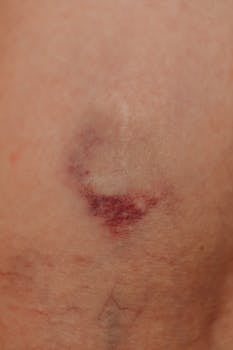
Have you ever noticed a dark purple spot or tenderness at the site of your blood draw? This common occurrence, known as bruising, can happen due to various factors, leaving many individuals curious about whether it’s cause for concern. While a bruise after a blood draw often looks alarming, it generally resolves itself without much intervention.
What Causes Bruising After a Blood Draw?
Bruising from a blood draw occurs when blood leaks out of the vein into the surrounding tissue. This can happen for several reasons, such as the size of the needle, fragile veins, or even if slight pressure is not applied to the site immediately after the needle is removed. A small amount of blood under the skin after a blood test is typical and will usually change color as it heals.
If you’re experiencing bruising on your arm after a blood draw, it might also be impacted by certain medications you’re taking, like blood thinners, which can increase the risk of bleeding. Other contributing factors include your age, overall health, and even the skill of the individual performing the blood draw.
How to Minimize Bruising
To reduce bruising, it is important to apply pressure to the site immediately after the needle is withdrawn. This can help stop the blood from leaking into the surrounding tissues. Keeping your arm elevated and applying a cold compress may also help reduce swelling and discomfort. If you notice a large bruise from a blood draw or have a continuing sensation of pain, it might be worth mentioning this to a healthcare professional during your next visit.
For insights on how lifestyle choices impact healing and overall health, you might find this article on lifestyle and health helpful.
When to Seek Care
Most of the time, bruising from drawing blood is a minor issue that resolves on its own. However, if you experience severe pain, extreme bruising after blood work, or if a bruise from getting blood drawn seems to worsen over time, it may be time to consult a healthcare provider. An internist or a hematologist can evaluate symptoms and guide appropriate care. Additionally, if there is any sign of infection, such as warmth, redness, or pus, seeking medical attention promptly is essential.
Everyday Impact of Bruising
After getting blood drawn, bruising can sometimes limit your ability to comfortably use the affected arm. For instance, lifting heavy objects or performing activities that require extensive arm use might cause discomfort. In rare cases, if a vein is bruised after a blood draw, this can also lead to temporary tenderness or mild swelling around the site. While vexing, these limitations are usually short-lived, resolving within a week or so.
Factors Influencing Bruising Severity
The severity of arm bruising after a blood draw varies among individuals. Factors such as skin tone, age, and underlying health conditions like clotting disorders can all influence the extent of bruising. If you experience more severe bruising, it might be helpful to discuss this with your healthcare provider to rule out any underlying conditions.
Proper Care Post Blood Draw
Your healthcare provider might offer advice specific to your health needs to prevent or treat bruising. Following their guidelines, such as avoiding strenuous activity immediately after a blood draw, wearing loose clothing, and ensuring adequate hydration, can make a difference. For more general information on maintaining good health, visit MedlinePlus, a reliable resource for health-related information.
Takeaways
- Bruising after a blood draw is generally normal and not a cause for alarm.
- Applying pressure immediately after the draw can minimize bruising.
- Avoiding heavy lifting or strenuous activities can prevent aggravating the bruise.
- If you have severe symptoms, consult with a healthcare provider.
- Understanding the factors that influence bruising can help in managing it effectively.
Common Questions
Why does bruising happen after a blood draw?
Bruising occurs when blood leaks from the vein into the surrounding tissue, often due to needle insertion, fragile veins, or inadequate pressure post-draw.
Is bruising normal after getting blood drawn?
Yes, it is normal for some bruising to occur after a blood draw. This is typically harmless and resolves within a week.
What can I do to prevent bruising from getting worse?
Apply pressure immediately after the needle is withdrawn, use ice packs to reduce swelling, and avoid using the arm for heavy lifting immediately after the draw.
When should I see a doctor about bruising after blood is drawn?
If the bruising is severe, persistent, or accompanied by unusual symptoms like swelling, redness, or warmth, it’s advisable to consult a healthcare provider.
What type of provider should I see for blood draw-related issues?
An internist or a hematologist can evaluate and manage any concerns related to extreme bruising or other symptoms following a blood draw.
Other Articles You May Find of Interest...
- Understanding Pleural Parenchymal Scarring: Causes and What to Know
- How Innovation Is Making Varicose Vein Treatment More Comfortable
- Exploring the Intricate Anatomy of the Thumb for Better Hand Function
- Why Is There Bruising After a Blood Draw?
- Thyroid Normal Dimensions Explained: What You Need to Know for Optimal Health
- Exploring the Health Benefits of Flavum for Overall Wellbeing
- The Importance of the Cephalic Vein in Health and Medicine




